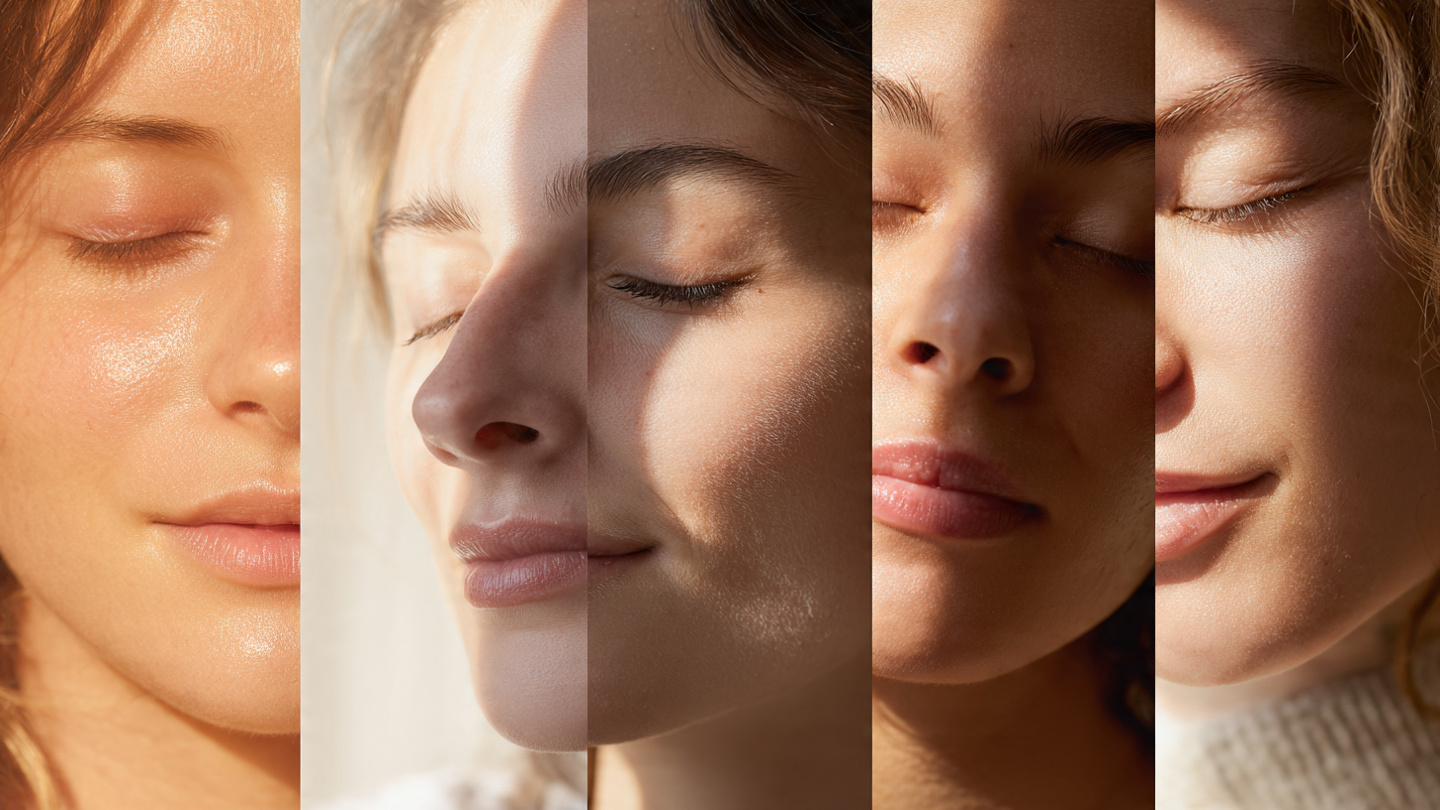

There’s a point when expectations around skincare begin to shift. Early routines are often shaped by urgency—the hope that something will work quickly, that visible change will confirm progress. Over time, many people notice that the most meaningful changes didn’t arrive all at once. They arrived gradually, almost quietly.
Skincare, for most, reveals itself not through sudden transformation but through accumulation. It works in layers of time rather than moments of immediacy.
Skin Responds in Cycles, Not Instantly
Skin operates on its own timelines. Renewal, repair, and adjustment happen in cycles that can’t be rushed without consequence. Even when a product feels effective, the skin still needs time to respond fully.
This delay can feel discouraging at first. Results don’t always align with effort. But over time, people begin to notice that skin changes more reliably when given space to move at its own pace.
Skincare becomes less about triggering results and more about supporting processes already underway.
Consistency Shapes Outcomes More Than Intensity
Short bursts of intense routines often feel productive, but their effects are difficult to sustain. Skin may react quickly, sometimes positively, sometimes not—but the response rarely lasts.
Long-term care relies on repetition. Using the same routine long enough allows the skin to establish a baseline. Over time, this steadiness softens extremes. Dryness becomes less abrupt. Sensitivity feels more manageable. Texture shifts gradually rather than dramatically.
The long game favors reliability over urgency.

Small Changes Accumulate Quietly
One of the reasons skincare feels like a long game is that progress often appears indirectly. Skin doesn’t suddenly look different—it starts behaving differently.
Comfort lasts longer throughout the day. Recovery after stress or exposure feels quicker. Fluctuations feel less severe. These changes are subtle, but they add up.
What improves isn’t always appearance alone, but the overall experience of living with one’s skin.
Skin Learns Through Familiarity
Over time, skin becomes accustomed to how it’s treated. Familiar routines reduce surprise. Products used consistently tend to feel gentler, even if their formulation hasn’t changed.
This familiarity allows skin to respond with less resistance. Instead of constant adjustment, skin settles into known conditions. That predictability often becomes one of the most valued outcomes of long-term care.
The skin doesn’t need constant novelty—it responds better to recognition.
Overcorrection Often Slows Progress
In the early stages, it’s common to react quickly to every change. A breakout appears, routines shift. Texture feels rough, another product is added. Skin is pulled in multiple directions.
With time, many people learn that restraint often supports better outcomes. Allowing skin to adjust before intervening reduces reactivity. Progress feels slower, but more stable.
The long game rewards patience more than quick response.
Expectations Mature Alongside Skin
As skincare becomes long-term, expectations evolve. The focus moves away from eliminating every concern and toward maintaining balance.
Breakouts are seen as temporary, not failures. Texture becomes a normal feature rather than a problem. Skin isn’t expected to look the same every day.
This shift reduces pressure and makes care feel more sustainable.
Emotional Distance Develops Gradually
One of the most noticeable long-term changes is emotional. Early skincare often involves frequent checking, touching, and reassessing.
Over time, that attention softens. Skin becomes less central to daily thought. It’s still cared for, but it no longer demands constant monitoring.
This distance often signals that skincare has settled into the background—one of the clearest signs that the long game is working.
The Benefits Extend Beyond Appearance
Long-term skincare doesn’t only change how skin looks. It changes how people feel about their routines and themselves.

There’s less urgency, less frustration, and more trust. Care becomes supportive rather than corrective. Skin feels manageable rather than unpredictable.
These benefits aren’t immediate, but they tend to last.
Why It Matters
Understanding skincare as a long game reshapes how people approach it. Instead of chasing quick results, attention shifts toward habits that can be maintained over years.
This perspective reduces burnout and disappointment. It allows care to feel steadier, even when visible changes are subtle.
Skincare matters not because it transforms overnight, but because it supports continuity.
A Perspective That Holds Over Time
Skincare doesn’t reach a finish line. It evolves alongside life, reflecting changes in routine, environment, and priorities.
Those who stay with it long enough often notice that the most meaningful results are the least dramatic. Skin feels familiar. Reactions are predictable. Care feels integrated.
The long game isn’t about waiting endlessly—it’s about allowing time to do what it does best.
✨ AI Insight:
Many people come to see skincare as a long game when they notice the biggest improvements weren’t moments they could point to, but a gradual sense of steadiness that arrived without announcement.