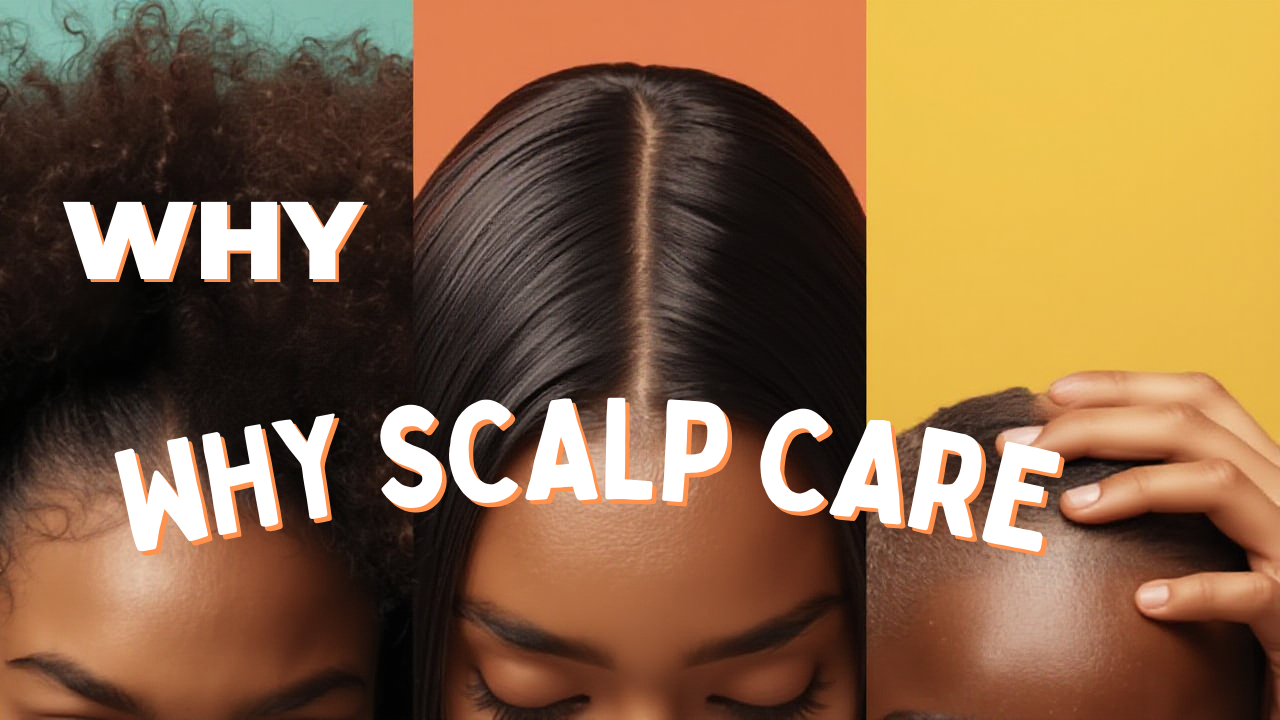

For a long time, scalp care was something people only thought about when there was a problem.
- Dandruff.
- Itchiness.
- Greasy roots.
- Product buildup.
Otherwise, the scalp was treated like background—something you shampoo quickly, rinse, and move on from.
But lately, more people are paying attention to it in a different way. Not just as “the place hair grows from,” but as skin. And once people start thinking of the scalp as skin, it becomes natural to care for it more intentionally.
That’s why scalp care is getting more attention: it’s becoming part of the broader shift toward understanding hair health as something that begins at the root—literally and figuratively.
People are realizing the scalp is skin, not just “hair territory”
One of the simplest reasons scalp care is trending is also the most obvious: the scalp is skin.
It can get dry.
It can get irritated.
It can become oily.
It can react to products.
It can accumulate buildup.
For many people, treating the scalp like skincare—not just haircare—makes things click.
They start noticing patterns:
- how their scalp feels after washing
- whether it gets tight or itchy
- how quickly it becomes oily
- whether buildup affects volume
- how product layers feel over time
Once you begin noticing those signals, scalp care stops feeling like an extra trend and starts feeling like basic maintenance.
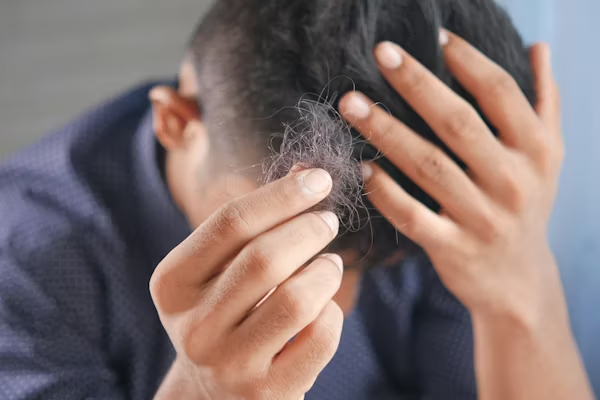
More styling products mean more buildup
Modern hair routines often include multiple layers:
- dry shampoo
- hair oil
- leave-in conditioner
- styling cream
- heat protectant
- hairspray
- gel
- texture spray
These products can be useful and fun—but they can also linger on the scalp.
Over time, many people begin noticing that their roots feel heavier, their hair looks dull faster, or their scalp feels less “clean,” even after shampooing.
That’s when scalp care starts getting attention—not because the person is obsessed, but because the routine has changed.
As hair routines become more product-heavy, scalp routines naturally follow.
People are talking more openly about discomfort
Scalp discomfort used to be something people rarely discussed unless it was severe.
Now, conversations about itchiness, flaking, sensitivity, or oiliness are more common and less embarrassing. Social media and wellness culture have normalized the idea that scalp issues are common—just like skin issues.
That shift alone increases attention.
When something is openly talked about, people notice it more. They compare experiences. They recognize their own patterns. And suddenly scalp care doesn’t feel niche—it feels normal.
The “skinification” of haircare changed the way people think
There’s been a broader trend of applying skincare thinking to haircare—sometimes called the “skinification” of hair.
That includes:
- scalp serums
- exfoliating treatments
- soothing tonics
- scalp masks
- pre-wash oils
- clarifying routines
- ingredients that sound like skincare (niacinamide, salicylic acid, hyaluronic acid, peptides)
Even if someone doesn’t follow trends closely, the language around haircare has shifted. Products now highlight scalp health as a foundation for hair appearance.
This makes scalp care feel more intentional and more accessible. It becomes less about “fixing a problem” and more about regular care.
Stress and lifestyle changes make the scalp feel more noticeable
Another reason scalp care is getting attention is that people are simply more aware of how stress shows up on the body.
Stress can affect many things people feel in real time:
- irritation
- sensitivity
- oil production
- dryness
- flaking
When the scalp feels uncomfortable, it’s hard to ignore. It’s right there—under your hair, on your mind, throughout the day.
As more people pay attention to how lifestyle impacts skin, they naturally begin paying attention to the scalp too.
Clean beauty and ingredient awareness play a role
Many people are more conscious now about what’s in their products.
That includes haircare.
People are paying attention to:
- fragrance levels
- cleansing strength
- harsh surfactants
- heavy silicones
- buildup potential
- irritation triggers
As ingredient awareness grows, the scalp becomes part of the conversation. People start realizing that hair products sit on scalp skin, not just on strands.
So scalp care becomes a way of choosing products that feel more comfortable long-term.
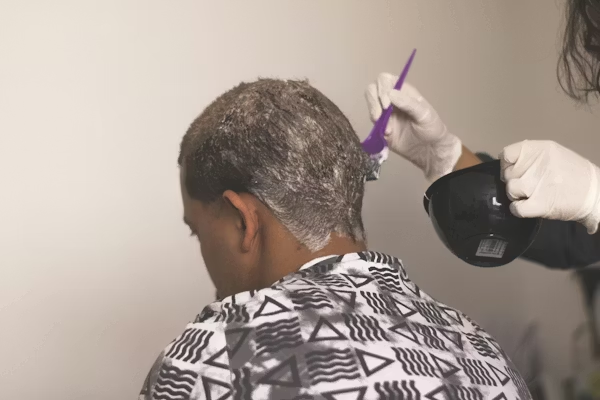
Scalp care connects directly to how hair looks and behaves
Even people who don’t care much about “scalp health” often start paying attention when they notice it affects hair appearance.
Many people notice that when their scalp feels balanced:
- hair looks less greasy
- hair has more volume
- styling feels easier
- hair feels lighter
- wash days feel more effective
So scalp care doesn’t feel like a separate category—it feels connected to hair outcomes people care about.
That connection makes it easy to understand why scalp care is getting more attention: it feels like a direct way to influence how hair looks and feels day to day.
The routine shift: people want haircare that feels like self-care
Skincare became popular not only because of results, but because of ritual.
The same thing is happening with haircare—especially at-home routines.
People are embracing slower, more sensory routines:
- scalp massages
- pre-wash oiling
- hair masks
- soothing scalp treatments
- relaxing wash routines
Scalp care fits naturally into that.
It adds a “care” moment that feels calming, not just functional.
For some, scalp care becomes less about solving issues and more about building a routine that feels grounding.
A calm takeaway to end on
Scalp care is getting more attention because people are noticing something simple: the scalp is part of the whole system.
As hair routines become more layered, as wellness culture encourages gentler care, and as people become more aware of how skin behaves over time, the scalp stops being invisible.
It becomes something people want to understand and support—not because it’s trendy, but because it affects comfort, hair appearance, and the everyday experience of feeling clean and balanced.
And once you start paying attention to your scalp, it’s hard not to see why it deserves care too.
Ai Insights: Over time, many people notice they pay more attention to scalp care when their hair routines become more product-heavy and their scalp comfort starts feeling harder to ignore.