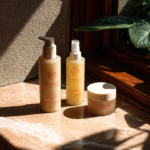

For many people, daily protection didn’t start as a firm decision. It arrived gradually, shaped by small realizations rather than one defining moment. A day outdoors that lingered on the skin longer than expected. A familiar tightness by evening. A sense that skin felt better on days when protection was quietly part of the routine.
What once felt optional has become ordinary. Daily protection is now common not because of urgency or fear, but because it fits naturally into how people care for their skin over time.
Daily Life Includes More Exposure Than It Seems
Sun exposure is rarely limited to obvious situations. It happens in fragments—walking to work, sitting near windows, driving, running errands. These moments don’t feel intense, but they repeat often enough to matter.
As people become more aware of these everyday exposures, protection begins to feel less situational. It’s no longer reserved for long days outside. It becomes part of daily care because daily life itself involves light exposure.
Protection feels relevant when it matches reality, not extremes.
Comfort Reinforces the Habit
One of the strongest reasons daily protection becomes common is comfort. Skin that’s protected regularly often feels calmer by the end of the day.
Redness fades more easily. Tightness feels less familiar. Sensitivity doesn’t build as quickly. These sensations reinforce the habit without requiring conscious motivation.
People continue what feels good, even when they don’t actively think about why.

Consistency Reduces Surprise
Skin responds well to predictability. When protection is applied daily, skin doesn’t need to adjust to changing conditions as often.
This consistency leads to fewer surprises. Texture feels steadier. Tone looks more even over time. Recovery after exposure feels quicker.
Daily protection becomes common because it reduces variability, making skin easier to live with.
Protection Has Become Easier to Integrate
Another reason daily protection is widespread is integration. Protection now fits more seamlessly into existing routines.
When protection sits naturally alongside cleansing or moisturizing, it no longer feels like an extra step. It’s applied at the same point each day, without interrupting flow.
Habits that integrate smoothly tend to last longer than those that require reminders or effort.
Habits Outlast Motivation
Motivation is inconsistent. Habits are not. Daily protection becomes common when it shifts from something remembered to something automatic.
Once it’s part of a routine, protection doesn’t rely on weather, plans, or intention. It happens regardless of how busy or distracted the day feels.
This automatic quality is what allows daily protection to remain consistent over years rather than weeks.
People Notice the Difference Over Time
Daily protection doesn’t usually produce immediate, dramatic change. Its impact is noticed gradually.
Skin feels similar at the end of the day as it did in the morning. Certain areas feel less reactive than they once did. The surface feels more settled overall.
These slow changes encourage continuation. When people notice steadiness rather than improvement, they’re more likely to maintain the habit.
Protection Feels Preventive Without Feeling Heavy
Daily protection has become common in part because it no longer feels burdensome. It doesn’t require constant vigilance or strict rules.
Instead, it offers reassurance. Skin feels supported before exposure happens, rather than needing recovery afterward. This shift reduces mental weight around sun habits.
Care that reduces worry tends to become routine.
Seasonal Flexibility Supports Consistency
Daily protection doesn’t look the same year-round. People naturally adjust how they apply it based on seasons, light levels, and time spent outdoors.
This flexibility helps the habit survive. Protection remains present even as conditions change. It adapts rather than disappears.
Habits that allow variation are easier to keep long-term.
Daily Protection Aligns With Long-Term Thinking
As people spend more time caring for their skin, focus often shifts from short-term results to long-term comfort.
Daily protection fits into this perspective. It doesn’t promise instant change, but it supports steadiness. Skin feels less reactive over time, which often matters more than visible transformation.

This alignment with long-term care makes daily protection feel sensible rather than excessive.
Emotional Ease Plays a Role
Beyond physical comfort, daily protection brings emotional ease. There’s less second-guessing after time outdoors. Less wondering whether something was forgotten.
Skin feels supported rather than vulnerable. This quiet reassurance reinforces the habit without conscious effort.
Daily protection becomes common because it reduces both physical and mental strain.
Why It Matters
The rise of daily protection reflects a broader shift in how people approach skincare. Care is no longer about reacting to problems—it’s about maintaining balance.
Daily protection supports consistency, comfort, and predictability. It allows skin to experience fewer extremes, even as life continues to change.
This steadiness often becomes the most valued outcome.
A Habit That Settles In Naturally
Most people don’t remember the exact moment daily protection became routine. It simply stops feeling optional.
Applied without ceremony, it blends into daily life. Skin responds not with dramatic change, but with quiet reliability.
Daily protection is common because it works in the background, supporting skin without asking for attention.
✨ AI Insight:
Many people realize daily protection has become second nature when skipping it feels more unusual than including it, even on ordinary days.