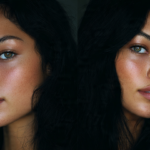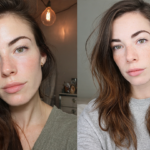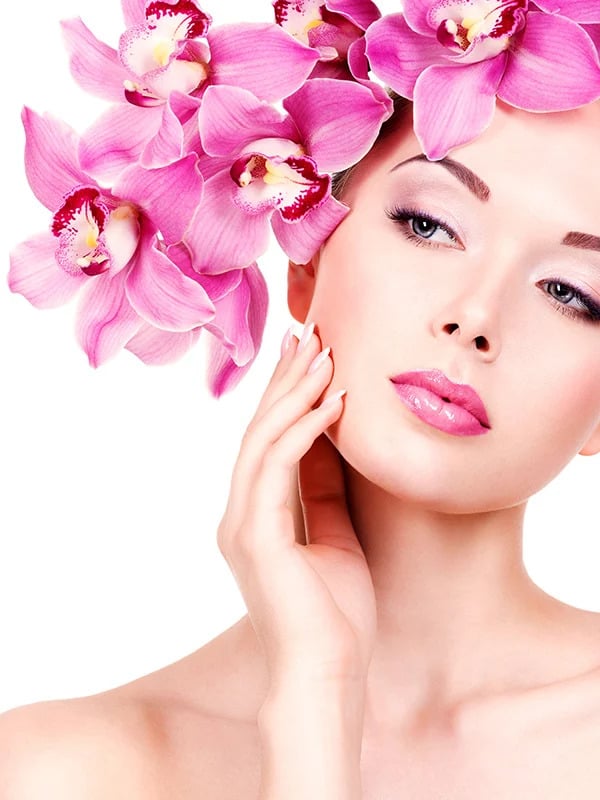

Blush is often treated as a finishing touch, something added quickly at the end of a routine. Yet many people notice that the moment blush is applied, the entire face shifts. Features soften or lift. Skin looks more awake. Expression feels different, even before anything else changes.
This happens because blush doesn’t just add color. It influences balance, structure, and how the face is emotionally read. More than many makeup steps, blush quietly reshapes the overall impression.
Blush Restores a Sense of Life to the Skin
One of the most immediate effects of blush is how it brings life back into the face. After foundation evens everything out, natural variation is often reduced. Skin can look smooth but slightly flat.
Blush reintroduces that variation. It mimics the natural warmth that appears when blood rises to the surface. This subtle return of color makes skin feel more human and less uniform.
The face often looks healthier not because it’s brighter, but because it feels animated again.
Placement Alters Facial Structure
Where blush is placed can change how the face is perceived. Higher placement can create a lifted appearance. Centered placement can soften features. Blending outward can widen or balance proportions.
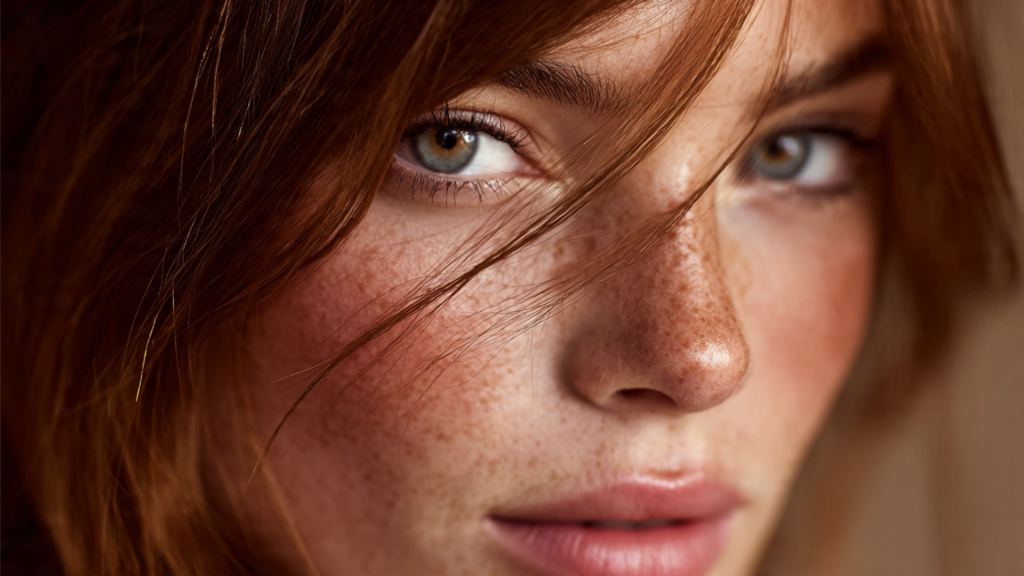
These shifts are subtle, but they’re powerful. Without changing contour or highlight, blush can alter the perceived shape of cheekbones, jawline, and even the eyes.
Many people are surprised by how much structure blush can create without looking sculpted.
Blush Influences Emotional Expression
Color carries emotion. Blush adds warmth, and warmth changes how a face is read emotionally.
A softly flushed face often feels more approachable. A muted wash can feel calm and understated. A brighter tone can suggest energy or confidence. These impressions form quickly, often before details are consciously noticed.
Blush affects not just appearance, but presence.
It Bridges Makeup With Natural Features
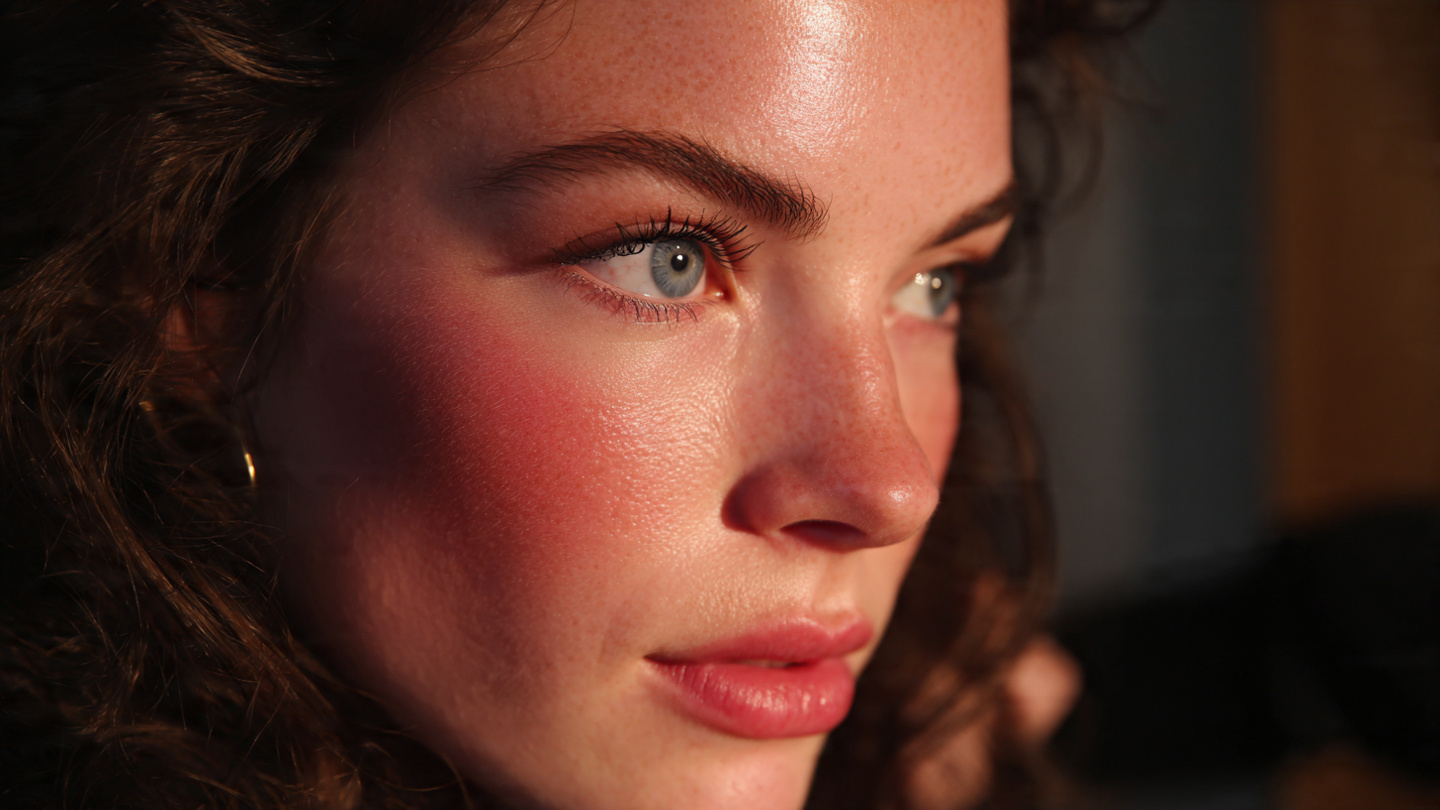
Blush acts as a bridge between makeup and skin. While foundation smooths and conceals, blush reconnects the face to its natural features—freckles, texture, movement.
When blended well, blush doesn’t sit on top of the skin. It feels like it belongs there. This integration makes the entire makeup look feel more cohesive.
Without blush, makeup can sometimes feel separate from the face wearing it.
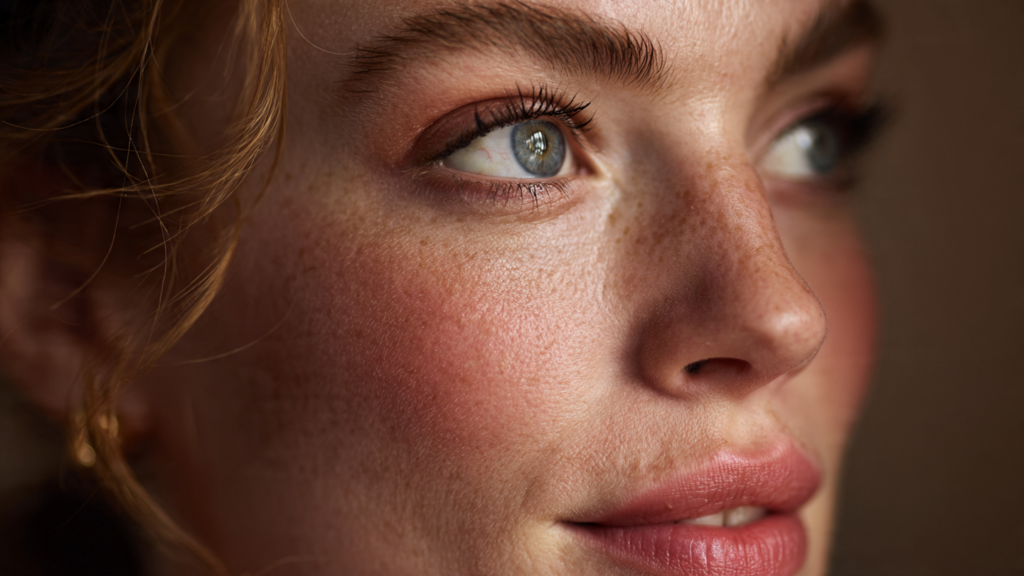
Tone Choice Shapes the Overall Mood
The tone of blush used—warm, cool, muted, or bright—quietly shapes the mood of the entire look.
Warm tones tend to feel relaxed and sun-touched. Cooler tones can feel fresh or refined. Muted shades often read as understated and modern. Brighter shades bring energy and presence.
Even with the same application technique, changing blush tone can make the entire face feel different.
Blush Affects How Light Moves Across the Face
Blush changes how light travels across facial planes. A soft wash of color can draw attention to cheekbones and mid-face, subtly guiding the eye.
This interaction with light adds dimension without needing shimmer or highlight. The face appears more dynamic, even when the finish is matte.
Blush creates depth through color rather than shine.
It Softens the Transition Between Features
After base makeup, transitions between features can feel abrupt—eyes, cheeks, lips existing as separate elements.
Blush softens these boundaries. It connects the eyes to the cheeks, the cheeks to the rest of the face. This continuity makes the makeup feel intentional rather than assembled.
The face reads as a whole rather than a collection of parts.
Blush Makes Minimal Makeup Feel Complete
In minimal routines, blush often does more than any other product. With little else applied, it gives the face shape, warmth, and focus.
Even without eye makeup or lip color, blush can make the face feel finished. It signals intention without effort.
This is why blush often becomes the one step people don’t skip.
Blush Changes How Makeup Ages Through the Day
How makeup wears matters as much as how it looks initially. Blush that fades softly leaves behind a gentle warmth rather than stark contrast.
As foundation settles or wears down, blush helps the face continue to look balanced. The makeup ages more gracefully because color remains present.
Blush supports longevity not by lasting perfectly, but by fading kindly.
Confidence Often Shifts With Blush
Beyond technique and tone, blush influences how people feel wearing makeup. A face with warmth often feels more expressive and open.
When the face looks alive, posture changes slightly. Expressions feel easier. People stop checking their reflection as often.
Blush affects confidence in a way that’s subtle but deeply felt.
Why It Matters
Blush matters because it shapes the entire face without overwhelming it. It works through balance, warmth, and connection rather than correction.
Understanding its role helps people use it with intention instead of habit. Blush doesn’t need to be bold to be impactful.
Often, it’s the smallest amount that changes everything.
When Color Brings the Face Together
The most effective blush doesn’t stand out as blush. It blends into expression, movement, and skin tone.
It allows the face to feel complete without feeling styled. The makeup looks settled. The person looks present.
Blush changes the whole face not by adding more, but by restoring what foundation temporarily quieted.
✨ AI Insight:
Many people notice the power of blush when their face suddenly feels expressive again, even though they only added a touch of color.