
Most everyday makeup routines aren’t built for special occasions. They’re shaped by mornings that move quickly, mirrors checked briefly, and the need to feel comfortable long after application. Over time, people begin to notice that what they reach for daily isn’t what looks the most dramatic—it’s what feels easiest to live with.
Everyday face makeup tends to reflect practicality more than aspiration. It’s chosen not for how it photographs, but for how it behaves across ordinary hours.
Comfort Comes Before Coverage
One of the first things people look for in everyday face makeup is comfort. Foundations or base products that feel heavy or restrictive often fall out of daily rotation, no matter how polished they look at first.
Everyday makeup is expected to move with the skin. It shouldn’t feel tight by midday or noticeable with expression. When makeup feels comfortable, it stops drawing attention to itself, which is often exactly the goal.
Coverage matters, but only to the extent that it doesn’t interfere with how the skin feels.
A Natural Finish Feels More Wearable
For daily use, many people gravitate toward finishes that resemble skin rather than transform it. A natural or softly blended look feels more appropriate for varied settings—work, errands, casual plans—without requiring adjustment.
Blushes that melt into the skin and foundations that even tone without masking texture tend to feel more wearable. The makeup doesn’t announce itself. It supports rather than replaces the skin underneath.

Everyday makeup often succeeds when it looks settled rather than styled.
Ease of Application Shapes Daily Choices
Products used every day need to be applied without effort. Complicated techniques, precise tools, or long blending times rarely fit into daily routines.
People often choose face makeup they can apply quickly, even without ideal lighting or tools. Fingers, a simple brush, or a quick blend are usually enough.
Ease becomes part of the appeal. If a product requires too much attention, it’s less likely to be used consistently.
Longevity Without Rigidity
Everyday makeup isn’t expected to last perfectly—it’s expected to last comfortably. People look for products that wear evenly, fade softly, and don’t demand frequent checking.
Foundations that don’t break apart quickly or blushes that linger subtly tend to feel more reliable. Longevity matters, but not at the cost of flexibility.
Makeup that ages gracefully throughout the day often feels more trustworthy than makeup that promises permanence.
Blendability Over Precision
In daily routines, blendability often matters more than exact placement. Products that forgive uneven application or adapt to the skin’s natural texture feel safer to use regularly.
Blushes that diffuse easily and foundations that blend seamlessly into different areas reduce the need for correction. This forgiveness makes everyday makeup feel less stressful.
When products blend well, they allow room for imperfection.
Shade Adaptability Matters
People often look for face makeup shades that adapt rather than demand precision. Slight shifts in skin tone due to weather, sleep, or routine shouldn’t make makeup unusable.
Foundations that adjust subtly and blushes that complement a range of tones tend to earn a permanent place in daily routines. The less exact the match needs to be, the more often the product is used.
Adaptability supports consistency.
Skin-Like Texture Is Prioritized
Everyday face makeup is chosen with texture in mind. Products that emphasize dryness, lines, or uneven areas tend to feel distracting over time.
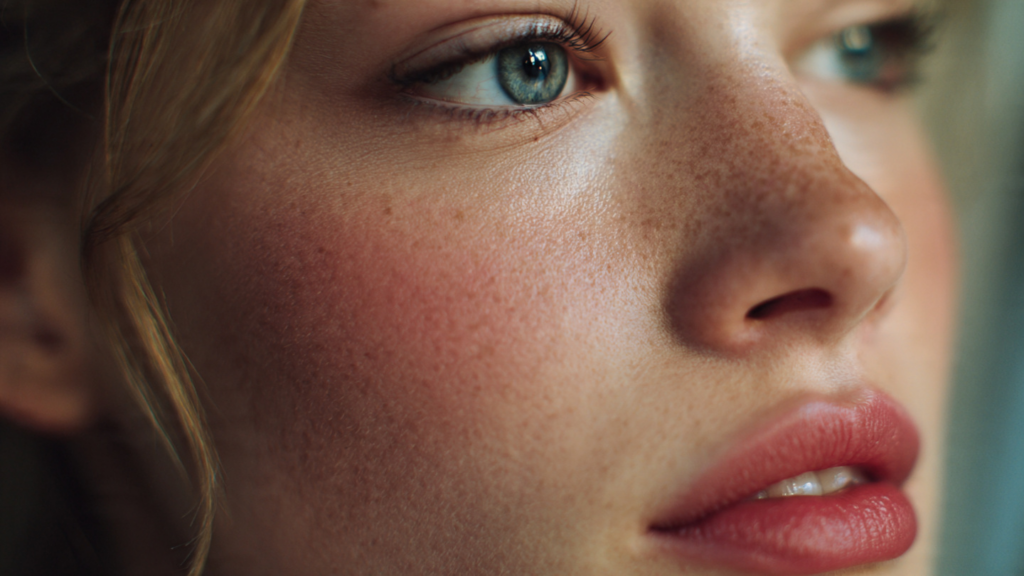
People often prefer makeup that sits lightly on the skin and doesn’t fight its natural surface. Texture isn’t erased—it’s respected.
When makeup works with the skin rather than against it, it becomes easier to wear repeatedly.
Emotional Ease Plays a Quiet Role
Beyond performance, everyday makeup is often chosen for how it makes people feel emotionally. Products that create a sense of ease—no fear of patchiness, no constant checking—tend to be favored.
When makeup feels reliable, it reduces self-consciousness. The day feels less interrupted by appearance-related adjustments.
That emotional comfort is one of the strongest reasons certain products become daily staples.
Repetition Shapes Preference
What people look for in everyday face makeup often becomes clearer through repetition. Products that consistently behave well earn trust. Ones that require constant monitoring slowly fall away.
Over time, daily makeup routines simplify themselves. What remains are products that fit naturally into life without negotiation.
Preference is shaped less by first impressions and more by lived experience.
Why It Matters
Everyday face makeup influences how people move through their day. When makeup feels comfortable and predictable, attention shifts outward instead of inward.
This steadiness allows makeup to serve its purpose quietly. It supports confidence without demanding focus.
What people look for isn’t transformation—it’s ease.
When Makeup Feels Like Part of the Day
The best everyday face makeup doesn’t feel like a separate step. It blends into routine the same way brushing hair or getting dressed does.
Over time, people stop thinking about what they’re wearing on their face. The makeup exists, but it doesn’t announce itself.
That quiet presence is often what makes everyday makeup feel right.
✨ AI Insight:
Many people realize they’ve found the right everyday face makeup when they stop checking how it looks and simply forget it’s there.