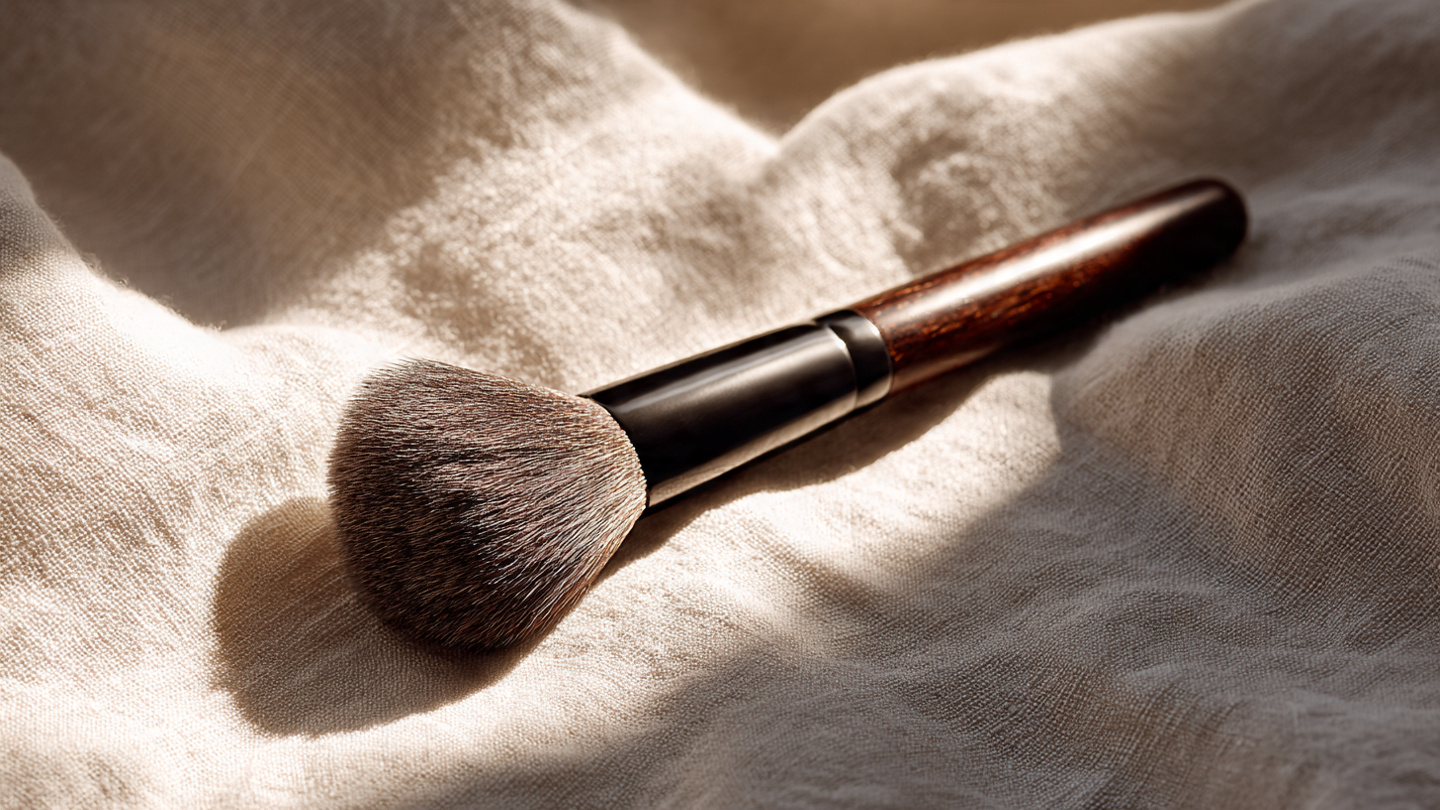

There is a specific weight to a well-crafted tool that changes the way it is held and used. The balance between the handle and the bristles creates a sense of stability before the first stroke is made.
A tool feels worth using when it simplifies the morning instead of adding another layer of complexity. It is the difference between struggling with a pigment and watching it blend effortlessly into the skin.
This sense of ease is a quiet luxury that transforms a routine task into a moment of genuine craftsmanship. When a tool performs exactly as expected, it builds a foundation of trust that makes the ritual feel reliable.
The Tactile Quality of Materials
The physical sensation of a brush or a sponge against the skin is the primary measure of its value. Soft, high-quality fibers provide a gentle touch that respects the delicate architecture of the face.
There is a deep satisfaction in the way a dense, velvety brush head holds its shape under slight pressure. This resilience ensures that the product is distributed evenly, avoiding the frustration of streaks or patches.
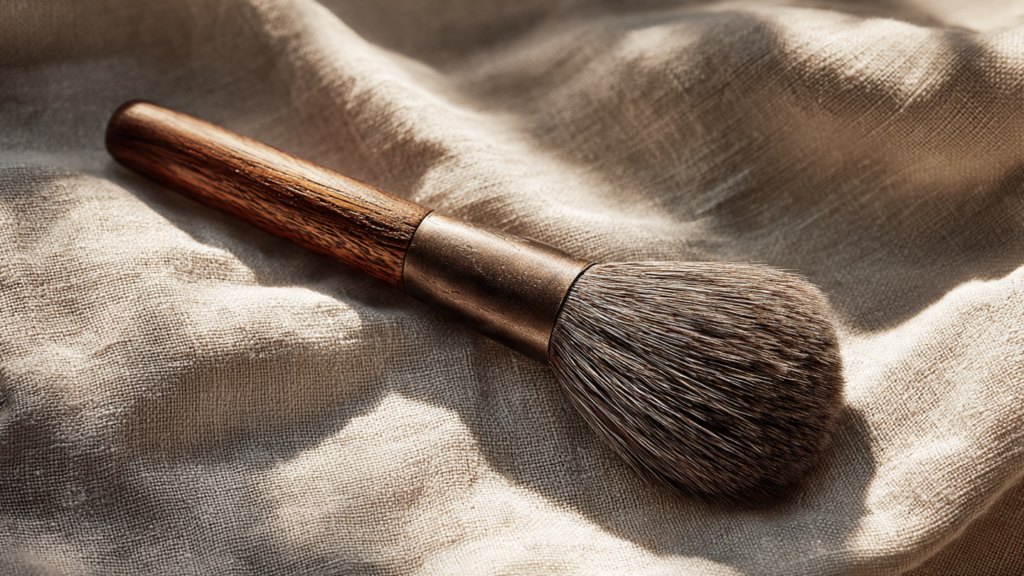
When the materials are durable and well-sourced, the tool becomes a long-term companion rather than a temporary fix. The longevity of a tool is a testament to its worth, as it becomes a familiar part of one’s personal history.
The Precision of Purposeful Design
A tool feels essential when its shape is perfectly calibrated for the specific task it was designed to perform. A tapered edge that fits into the corner of the eye or a flat base that buffing foundation feels like an extension of the hand.
This ergonomic harmony allows for a more intuitive application, requiring less conscious effort to achieve a result. It provides a sense of control and agency, allowing the wearer to focus on the feeling of the ritual.
Good design is often invisible, noticed only when it makes a previously difficult step feel entirely natural. It is the silent support that allows a person to feel more confident in their ability to curate their own image.
The Ease of Maintenance and Care
A tool that is easy to clean and maintain is one that remains a pleasure to use over several years. The way bristles shed water or a sponge returns to its original softness is a sign of thoughtful engineering.
When the care of the tool doesn’t feel like a chore, it is more likely to be integrated into a consistent routine. This sustainability is part of what makes a tool feel like a wise investment in one’s own well-being.
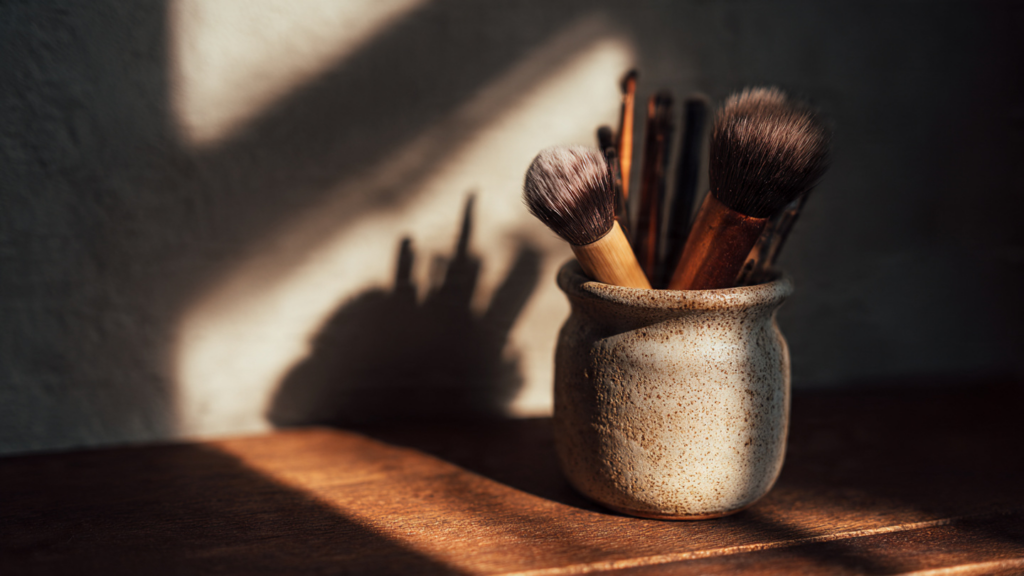
There is a quiet pride in maintaining a set of tools that look and perform as well as they did on the first day. It reflects a respect for the process and an appreciation for the items that facilitate our daily transitions.
Why It Matters
The tools we choose to use matter because they dictate the quality of our most personal daily rituals. By using items that feel worth our time, we are affirming that our morning preparation is a valuable act.
From an editorial perspective, high-quality tools are the unsung infrastructure of a refined lifestyle. They allow for a more sustainable approach to beauty, where we buy less but choose more effectively.
Investing in these objects is a way of honoring the physical self through the tools we touch to our skin. It is a practice in mindfulness that rewards the user with a more consistent and comfortable outcome every day.
The brushes are eventually washed and set out to dry, ready for the quiet light of the next morning. The face remains as a reflection of the care taken, supported by tools that did exactly what was asked of them.
What remains is a feeling of total composure and the knowledge that some things are worth the extra consideration. It is a successful cycle of preparation that leaves us feeling grounded and ready for whatever the day brings.
✨ AI Insight: A tool is more than a means to an end; it is a silent bridge between the person we are and the version of ourselves we choose to show the world.