
Lightweight face makeup is often described before it’s defined. People notice it in how their skin feels halfway through the day, or in how little they think about their makeup once it’s applied. There’s no heaviness to adjust to, no sense of wearing something that needs monitoring.
This feeling doesn’t come from using less makeup alone. It comes from how products interact with skin, movement, and time. Lightweight makeup is less about absence and more about balance.
Texture Sets the First Impression
The feeling of weight begins with texture. Products that spread easily and settle quickly tend to feel lighter from the start.
When a foundation or skin tint blends without resistance, it doesn’t feel like it’s sitting on the skin. It feels integrated. Creams and fluids that move with minimal effort usually leave less awareness behind.
Lightweight makeup often disappears at the point of application, not hours later.
Coverage That Works With Skin, Not Against It
Heavy makeup often feels heavy because it resists the skin underneath. High coverage can create a layer that moves differently than natural skin, making expressions feel more noticeable.
Lightweight face makeup usually offers flexible coverage. It evens tone without flattening texture or masking movement. Skin still looks like skin, just quieter.
When coverage adapts instead of dominates, the makeup feels easier to wear.
Finish Influences Sensation as Much as Look
Finish isn’t only visual—it’s physical. Matte products can sometimes feel drying or tight as the day goes on. Very dewy products may feel slippery or noticeable.
Lightweight makeup often sits somewhere in between. Soft satin or skin-like finishes tend to feel present without being distracting.
When the finish doesn’t shift or pull attention throughout the day, the makeup feels lighter overall.
Blendability Reduces Awareness
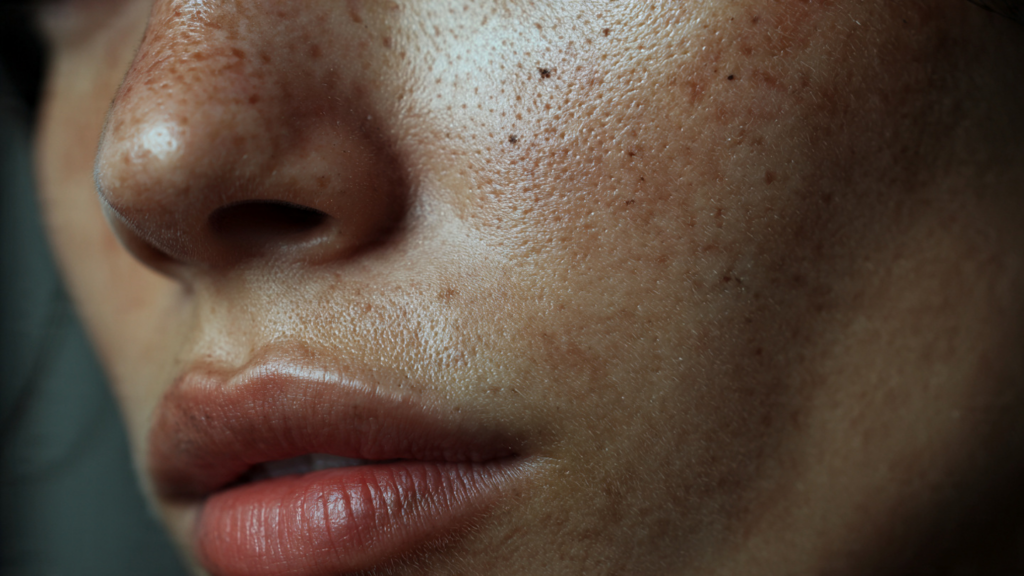
Makeup that blends easily tends to feel lighter because it doesn’t require correction. Products that diffuse smoothly don’t leave edges or patches that need checking.
When blush, foundation, or bronzer melts into the skin, there’s less sense of where the makeup begins and the skin ends. This continuity reduces the feeling of wearing layers.
Blendability allows makeup to fade into the background.
Less Contrast Creates Less Weight
Strong contrast between skin and makeup can make products feel more noticeable. Heavy contour, sharp edges, or very opaque bases often increase awareness.
Lightweight face makeup usually relies on softer transitions. Subtle color shifts. Gentle blending. Shades that work with natural tone rather than replacing it.
When contrast is reduced, makeup feels less like a mask and more like an extension of the face.
Layering Choices Matter
Even light products can feel heavy if they’re layered without consideration. Each additional layer changes how the skin moves and breathes.
Lightweight routines often involve fewer layers that serve multiple purposes. A base that evens tone and adds comfort. A blush that adds both color and dimension.
When layers are purposeful rather than stacked, the overall feel stays light.
Products That Move With the Skin Feel Lighter
Skin moves constantly—talking, smiling, shifting expression. Makeup that moves with it tends to feel weightless.
Products that crack, crease, or separate draw attention back to themselves. Products that flex maintain comfort.
Lightweight makeup supports movement instead of resisting it.
Longevity Without Rigidity
Long-wearing makeup doesn’t have to feel heavy, but when longevity relies on stiffness, it often does.
Lightweight face makeup wears down softly rather than locking in place. It fades evenly. It doesn’t demand maintenance or create discomfort over time.
Makeup that ages gently feels lighter than makeup that tries to stay unchanged.
Shade Choice Affects Perception of Weight
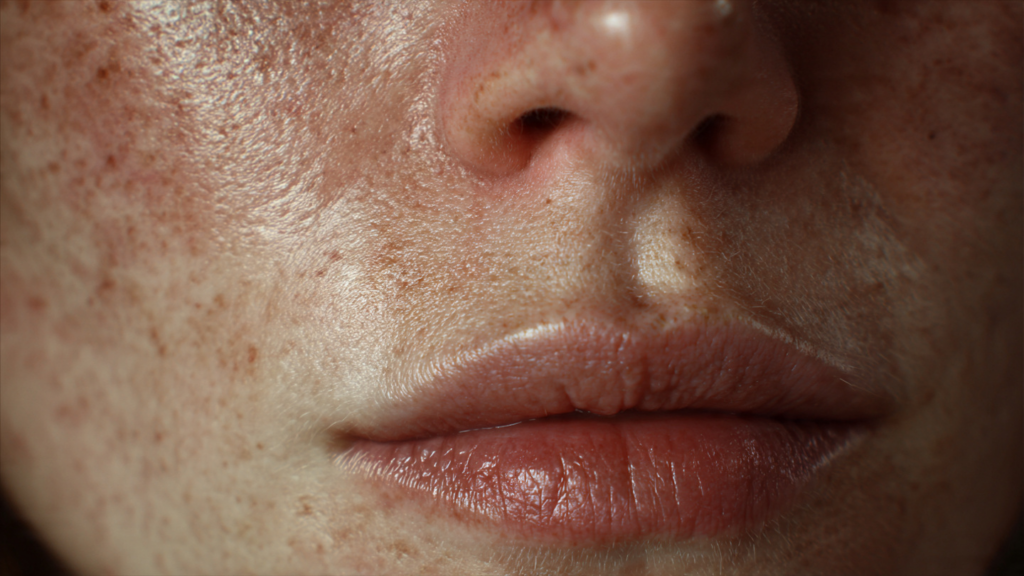
Shades that closely match or complement natural skin tone often feel lighter because they blend visually with the face.
When shades are too far from natural tone, the makeup becomes more noticeable, even if the formula is light.
A well-chosen shade reduces visual weight, which often translates into physical ease.
Familiarity Lowers Sensory Awareness
Over time, familiarity plays a role. Makeup that’s worn often tends to feel lighter simply because the skin and mind recognize it.
When products behave predictably, attention moves elsewhere. The makeup isn’t checked or adjusted constantly.
Lightweight makeup is often makeup that’s trusted.
Lightweight Is Often About Restraint
Perhaps the most overlooked factor is restraint. Lightweight makeup usually comes from stopping before things feel finished rather than pushing to completion.
A little less blending. A softer layer. A decision not to correct every detail.
Restraint leaves space for the face to breathe.
Why It Matters
When face makeup feels lightweight, it changes how people move through the day. There’s less distraction, less adjustment, and less self-awareness tied to appearance.
Makeup becomes supportive rather than present. It enhances without interrupting.
That ease often matters more than coverage, finish, or performance.
When Makeup Stops Asking for Attention
The lightest makeup isn’t always the one that looks the most natural. It’s the one that’s forgotten.
When the face feels free to move, express, and exist without awareness of layers, makeup has done its job.
Lightweight makeup doesn’t disappear—it settles in.
✨ AI Insight:
Many people recognize makeup as truly lightweight when they realize hours have passed without once thinking about how their face feels.