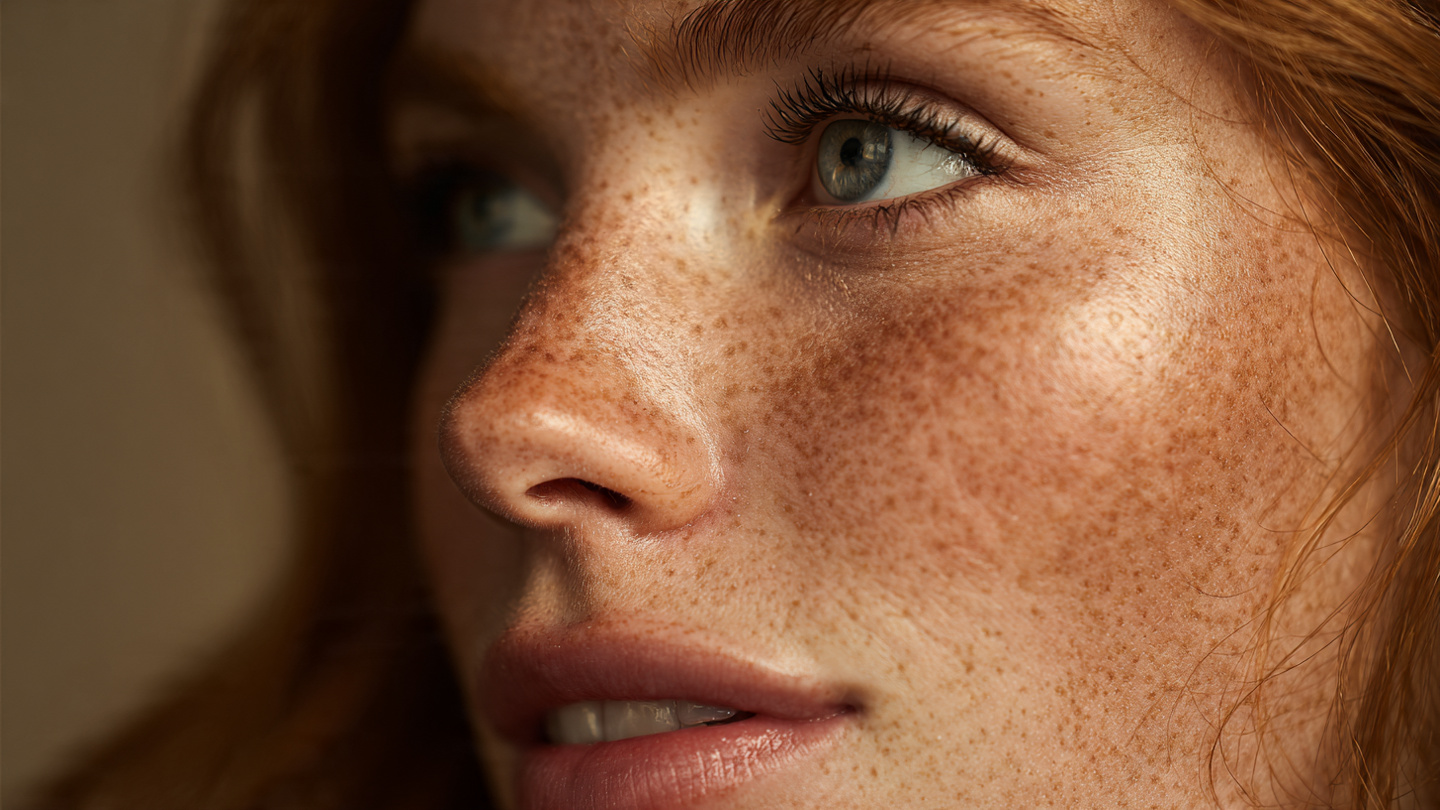

On certain mornings, skin feels predictable. It cleanses easily, holds moisture, and doesn’t draw attention to itself throughout the day. Those moments often stand out not because skin looks dramatically different, but because it feels settled in a way that’s hard to describe until it happens.
For many people dealing with acne and texture, balance becomes the quiet goal behind every routine change. Not perfection, not constant clarity—but a sense that skin is no longer fluctuating so sharply from one extreme to another.
Understanding Balance Beyond Appearances
Balanced skin is rarely about how smooth it looks under bright lighting. It’s more often about how it behaves over time. Skin that feels balanced tends to react less abruptly. Oil production feels steadier. Dryness doesn’t appear suddenly. Texture exists, but it doesn’t feel inflamed or uncomfortable.
Acne and uneven texture are often signs of skin trying to adjust—sometimes to environmental changes, sometimes to internal shifts, sometimes to routines that move faster than the skin can keep up with. Balance, in this sense, is not the absence of these concerns but a reduction in how disruptive they feel.
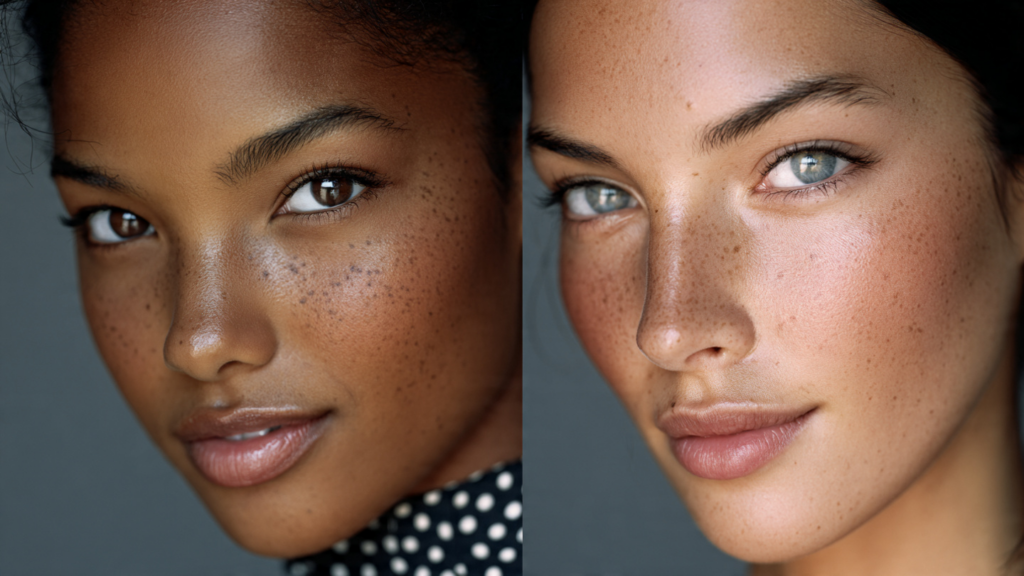
When skin is balanced, changes still happen, but they feel gradual instead of alarming.
Why Extremes Often Create More Imbalance
One of the patterns that shows up repeatedly in acne- and texture-prone skin is overcorrection. In response to breakouts, routines become harsher. In response to dryness, products become heavier. Skin is pulled in opposing directions, often without time to settle.
This back-and-forth can keep skin in a reactive state. Texture may feel more noticeable not because it has worsened, but because the skin barrier hasn’t had time to stabilize. Balance tends to return when routines slow down and become less reactive.
Skin often responds better to moderation than intensity.
Consistency as a Quiet Stabilizer
What helps skin feel more balanced over time is often consistency rather than novelty. Using the same cleanser long enough for skin to recognize it. Applying moisturizer in a familiar rhythm. Letting products interact with the skin without constant interruption.
This predictability allows the skin to regulate itself more effectively. Oil production becomes easier to manage. Texture softens gradually. Breakouts, when they happen, feel less dramatic.
Consistency doesn’t eliminate fluctuation, but it reduces the sense that skin is constantly starting over.
Paying Attention to Sensation, Not Just Results
Texture is as much about how skin feels as how it looks. Slight roughness, small bumps, or uneven areas often become more distracting through touch than sight. When routines focus only on visible results, skin can be pushed too quickly toward smoothness rather than comfort.
Balanced skin often feels resilient. It tolerates cleansing without stinging. It holds moisture through the day. It recovers more quickly after exposure to wind, sun, or temperature changes.
These sensations tend to be more reliable indicators of balance than surface-level clarity.
Supporting the Skin Barrier Gently
Much of what contributes to balanced skin is related to how well the outer barrier functions. When this barrier feels intact, skin holds hydration more evenly and becomes less reactive to daily stressors.
Support doesn’t have to involve many steps. In fact, routines often feel more stabilizing when they are simpler. Gentle cleansing, steady moisturizing, and allowing time between changes can all help skin feel more secure.
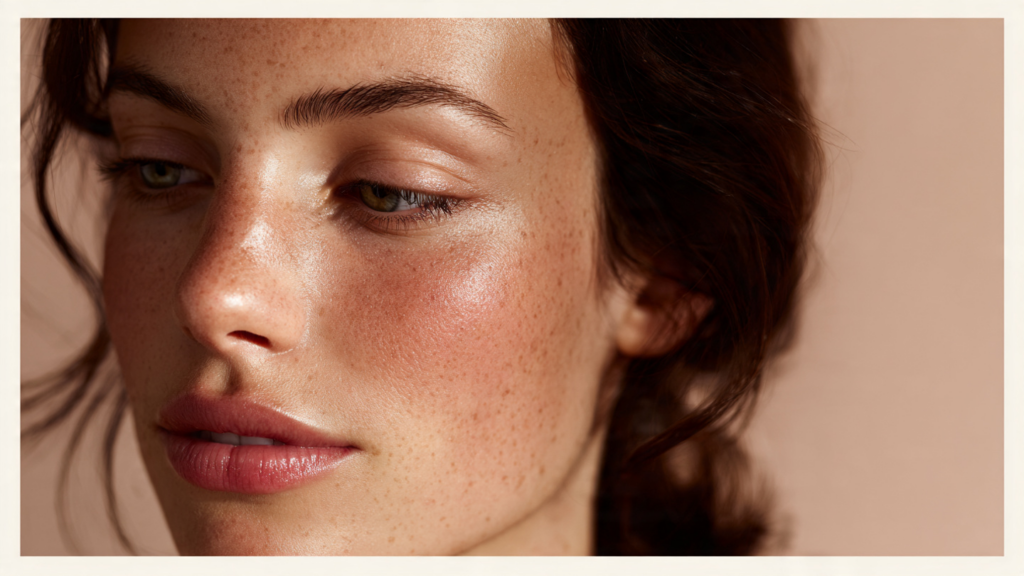
When the barrier is supported, texture often becomes less pronounced on its own, without direct intervention.
Allowing Skin Time to Adjust
Skin operates on a slower timeline than most expectations allow. Even thoughtful changes take time to register. Texture may soften before acne changes. Oil levels may stabilize before redness fades. These staggered shifts are common, though easy to misinterpret as inconsistency.
Balanced skin often reveals itself in small moments. Skin feels less tight by evening. Makeup sits more evenly. Cleansing doesn’t feel disruptive. These signs accumulate quietly.
Time becomes an active ingredient when routines stop changing too quickly.
Reducing Daily Stress on the Skin
Beyond products, small daily habits influence how balanced skin feels. Frequent touching, over-cleansing, aggressive exfoliation, and constant inspection can all add stress, even when intentions are good.
Gentler handling allows skin to remain in a calmer state. Texture becomes less reactive when skin isn’t repeatedly disturbed. Acne often feels less inflamed when external friction is minimized.
Sometimes balance improves more from what is removed than what is added.
Emotional Distance and Skin Balance
There is also an emotional aspect to balanced skin. When skin feels unpredictable, it tends to command attention. Checking mirrors, adjusting routines, and anticipating flare-ups can become part of the day.
As balance improves, attention shifts. Skin no longer feels like a problem to monitor. It becomes background rather than focus. This change in relationship often matters as much as any physical improvement.
Balanced skin supports ease, not vigilance.
Why It Matters
Skin that feels balanced changes how people move through their routines. There is less urgency, less experimentation, and less emotional weight placed on every change in texture or clarity.
This steadiness allows skincare to feel supportive rather than corrective. Instead of reacting to every shift, people begin to trust their skin’s ability to regulate itself over time.
Balance doesn’t eliminate acne or texture entirely, but it makes them feel more manageable and less defining.
A More Sustainable Way to Think About Skin
What helps skin feel more balanced is rarely a single adjustment. It’s the accumulation of gentler routines, consistent habits, realistic timelines, and a willingness to let skin behave naturally rather than forcing outcomes.
For many, this approach changes skincare from a constant project into a quiet form of maintenance. Skin still changes, but those changes feel easier to live with.
Balance arrives not as a visible milestone, but as a sense of calm that gradually replaces urgency.
✨ AI Insight:
People often recognize skin balance not by what has disappeared, but by how rarely they feel the need to think about their skin throughout the day.