

Oily skin can feel like a constant battle—excess shine, clogged pores, acne breakouts, and enlarged pores. If you’ve been searching for the perfect skincare ingredient, chances are you’ve asked:
Is Vitamin C good for oily skin?
Yes, Vitamin C is highly beneficial for oily skin. It helps control excess oil production, reduce acne scars, brighten a dull complexion, minimize enlarged pores, and protect skin from environmental damage.
But there’s more to it.
In this detailed, data-backed guide, you’ll discover:
- How Vitamin C works for oily skin
- Which type of Vitamin C is best
- How to use it correctly
- Pros & cons
- Comparison tables
- Step-by-step skincare routine
- Frequently asked questions
- Scientifically supported insights
Let’s dive in.
In Simple Terms: What Is Vitamin C for Skin?
In simple terms, Vitamin C is a powerful antioxidant that protects the skin from damage, brightens complexion, reduces oiliness, and improves overall skin texture.
Here’s the News About Why Skincare Is a Long Game.
It is also known as ascorbic acid, and it plays a major role in collagen production and skin repair.

Why Oily Skin Needs the Right Ingredients
Oily skin produces excess sebum, which can lead to:
- Acne breakouts
- Blackheads & whiteheads
- Enlarged pores
- Uneven skin tone
- Post-acne marks
- Greasy shine
The key is not to strip the skin but to balance oil production while strengthening the skin barrier.
That’s where Vitamin C becomes important.
Is Vitamin C Good for Oily Skin?
✅ Short Answer: Yes.
✅ Long Answer:
Vitamin C helps oily skin in five major ways:
1. Regulates Sebum Production
Some forms of Vitamin C help reduce excess oil by balancing skin function.
2. Fights Acne-Causing Bacteria
Vitamin C has mild anti-inflammatory properties that calm redness and acne.
3. Fades Acne Scars
It boosts collagen production, which helps reduce dark spots and post-acne hyperpigmentation.
4. Tightens the Appearance of Pores
By improving collagen, pores look smaller and firmer.
5. Protects Against Pollution
Oily skin exposed to pollution can worsen acne. Vitamin C protects against oxidative stress.
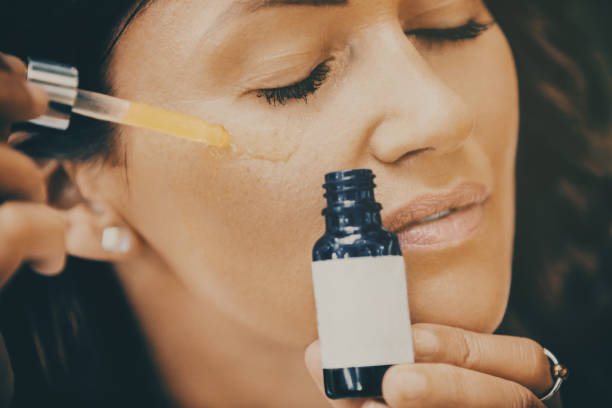
Scientific Backing: What Research Says
Studies show that topical Vitamin C:
- Improves hyperpigmentation
- Reduces inflammatory acne
- Increases collagen production
- Neutralizes free radicals
Dermatological research confirms that antioxidants like Vitamin C improve overall skin clarity and reduce environmental damage — especially beneficial for oily and acne-prone skin.
Types of Vitamin C for Oily Skin (Comparison Table)
| Type of Vitamin C | Best For | Stability | Suitable for Oily Skin? | Notes |
|---|---|---|---|---|
| L-Ascorbic Acid | Brightening & Anti-aging | Low | Yes (if low concentration) | Most powerful form |
| Sodium Ascorbyl Phosphate | Acne-prone skin | High | ✅ Highly Recommended | Antibacterial benefits |
| Magnesium Ascorbyl Phosphate | Sensitive oily skin | Moderate | Yes | Gentle form |
| Ascorbyl Glucoside | Beginners | High | Yes | Slow release |
Best Choice for Oily Skin:
👉 Sodium Ascorbyl Phosphate (SAP) – especially for acne-prone oily skin.
Pros and Cons of Vitamin C for Oily Skin
✅ Pros
- Controls excess oil
- Reduces acne scars
- Brightens dull skin
- Boosts collagen
- Protects against UV damage
- Improves uneven skin tone
- Minimizes enlarged pores
❌ Cons
- May cause irritation if the concentration is too high
- Can oxidize if not stored properly
- Not suitable for use with some active ingredients (like benzoyl peroxide at the same time)

Step-by-Step Guide: How to Use Vitamin C for Oily Skin
Morning Routine (Recommended)
Step 1: Cleanser
Use a gentle gel-based cleanser for oily skin.
Step 2: Toner (Optional)
Use alcohol-free toner.
Step 3: Vitamin C Serum
- Apply 2–3 drops
- Gently pat into the skin
- Wait 30–60 seconds
Step 4: Lightweight Moisturizer
Use an oil-free, non-comedogenic formula.
Step 5: Sunscreen (Mandatory)
Vitamin C works best with SPF 30+ sunscreen.
How Often Should You Use Vitamin C on Oily Skin?
- Beginners: 3–4 times a week
- Regular users: Once daily (morning)
- Sensitive oily skin: Start with a low concentration (5–10%)
What Concentration of Vitamin C Is Best for Oily Skin?
| Skin Type | Recommended Concentration |
|---|---|
| Oily Skin | 10–15% |
| Acne-Prone Skin | 5–10% |
| Sensitive Oily Skin | 5% |
Higher concentration (20%) is not always better.
Common Mistakes to Avoid
- ❌ Using too much product
- ❌ Skipping sunscreen
- ❌ Mixing with strong exfoliating acids without guidance
- ❌ Using expired serum (oxidized Vitamin C turns brown)
Vitamin C vs Niacinamide for Oily Skin (Comparison)
| Feature | Vitamin C | Niacinamide |
|---|---|---|
| Controls Oil | Moderate | Strong |
| Brightens Skin | Excellent | Good |
| Reduces Acne Scars | Excellent | Moderate |
| Reduces Redness | Good | Excellent |
| Strengthens Barrier | Moderate | Excellent |
👉 Best Strategy: Use both (morning Vitamin C, evening Niacinamide).
Who Should Avoid Vitamin C?
- Extremely sensitive skin
- Active eczema
- Broken skin barrier
Always patch test before use.
Signs Vitamin C Is Working
- Skin looks brighter within 2–4 weeks
- Fewer breakouts
- Less oil production
- Faded dark spots
- Smoother texture
Can Vitamin C Cause Breakouts on Oily Skin?
Sometimes yes — but only if:
- The formula is too heavy
- The concentration is too high
- The product is oxidized
- The skin barrier is damaged
Choose lightweight, water-based formulas.

Best Ingredients to Pair With Vitamin C
- Hyaluronic Acid
- Niacinamide
- Salicylic Acid (different time)
- Sunscreen
- Peptides
Summary: Is Vitamin C Good for Oily Skin?
Yes, Vitamin C is excellent for oily skin when used correctly.
It helps:
- Control oil production
- Fade acne scars
- Improve skin texture
- Protect from pollution
- Boost collagen
For best results:
- Use a 10–15% concentration
- Apply in the morning
- Always wear sunscreen
- Store properly
Frequently Asked Questions (FAQs)
1. Is Vitamin C serum good for oily acne-prone skin?
Yes, especially the Sodium Ascorbyl Phosphate form. It helps reduce acne and scars.
2. Can oily skin use Vitamin C daily?
Yes, once daily in the morning is ideal.
3. Does Vitamin C reduce an oily face?
It helps regulate sebum production but is not a direct oil absorber.
4. Should I use Vitamin C before or after moisturizer?
Always before moisturizer.
5. Can Vitamin C shrink pores?
It improves collagen, making pores appear smaller.
6. What percentage of Vitamin C is best for oily skin?
10–15% is ideal.
7. Can Vitamin C replace sunscreen?
No. It enhances sunscreen but cannot replace it.
Definition Snippets
Vitamin C Serum for Oily Skin:
A lightweight antioxidant treatment that reduces oil production, brightens skin tone, and fades acne scars.
Sebum:
The natural oil produced by the skin can cause acne when overproduced.
Antioxidant:
A substance that protects skin cells from damage caused by pollution and UV rays.
Final Verdict
If you have oily or acne-prone skin, Vitamin C is not just safe — it’s beneficial.
The key is:
- Choosing the right formulation
- Using the correct concentration
- Applying sunscreen daily
When used properly, Vitamin C can transform oily, dull, acne-prone skin into clearer, brighter, healthier-looking skin.