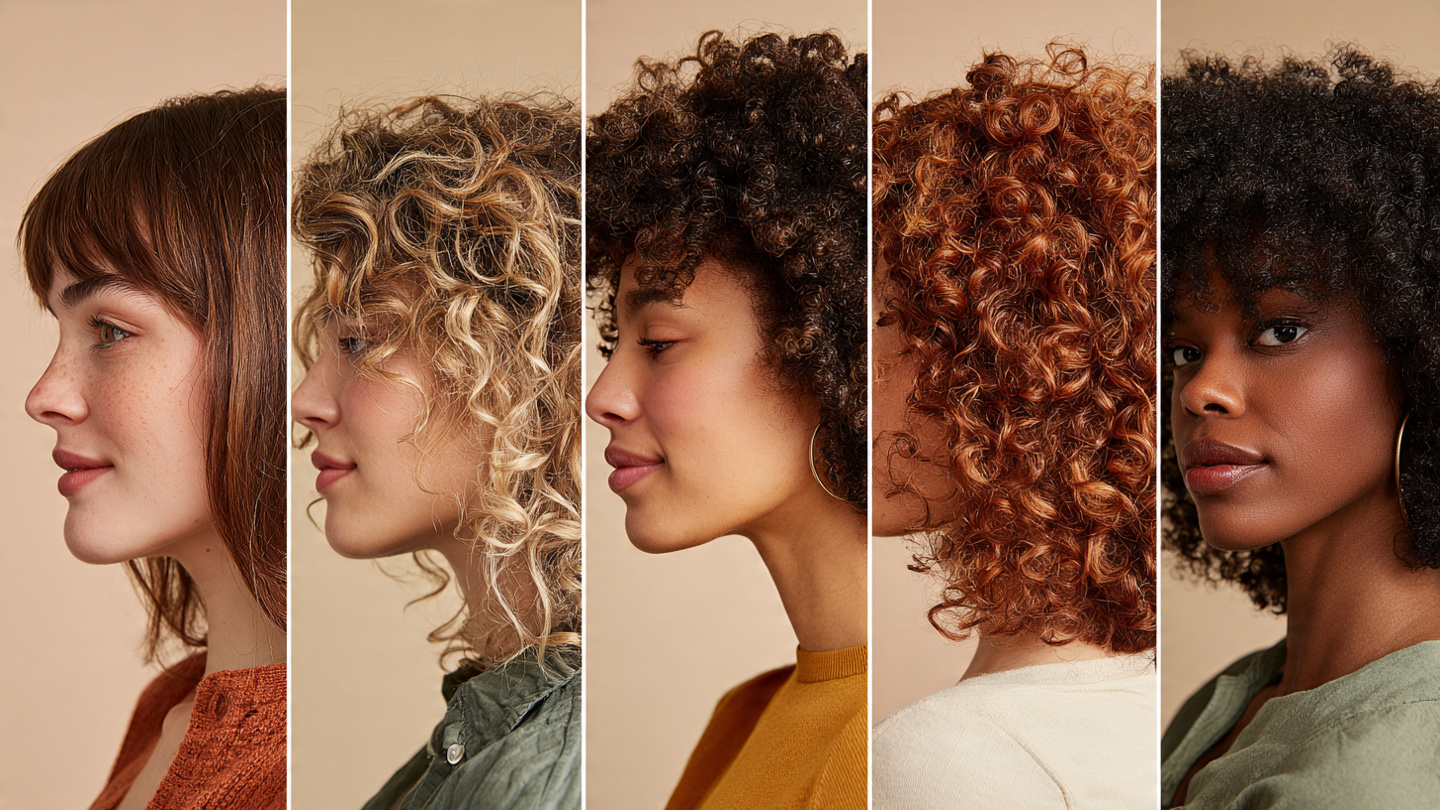

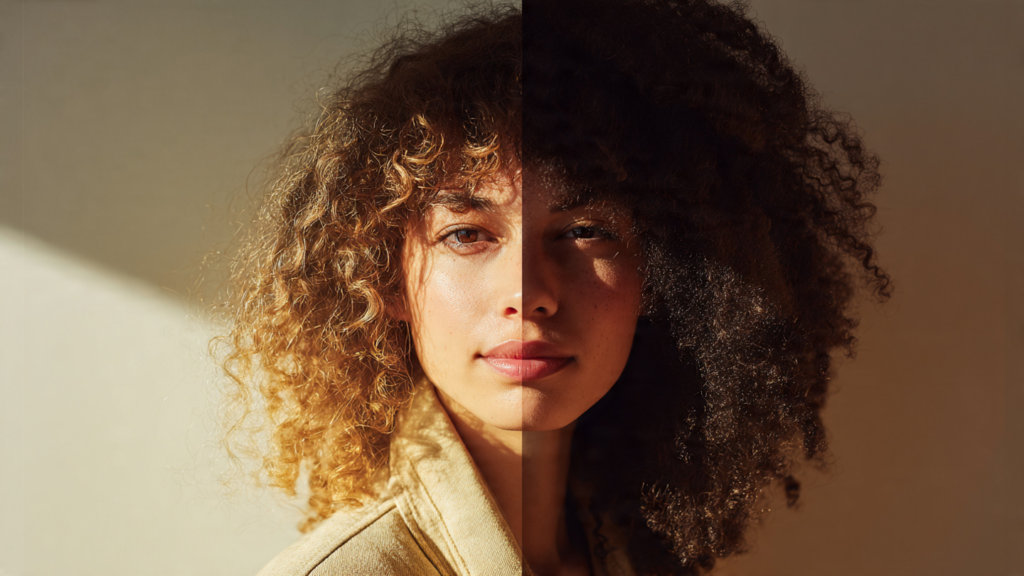
The texture of a hair strand is its most defining physical characteristic, acting as the primary blueprint for every decision made in a morning ritual. It is the factor that dictates the density of the products we reach for, the frequency of our cleansing cycles, and the very tools we choose to hold.
When we talk about texture, we are discussing the physical landscape of the hair—whether it is a smooth, glass-like surface or a complex series of twists and coils. Understanding how this landscape affects the movement of moisture and the distribution of natural oils is the key to moving from a routine of trial and error to a practice of intentional cultivation. It is a shift that rewards the individual with a look that feels balanced, resilient, and entirely unforced.
The Rhythm of Moisture Absorption
The most immediate way texture influences a routine is through the management of hydration. Coarser, more textured strands often possess a more porous cuticle, meaning they absorb moisture quickly but can lose it just as fast. This requires a routine built on “layering”—introducing moisture in stages to ensure the internal fiber remains supple and weighted.
Conversely, finer textures may have a smoother, less porous surface that can easily become weighed down by heavy materials. For these strands, the routine must focus on lightness and “airiness,” ensuring that the hair retains its natural lift and movement. By adapting the weight of the routine to the specific needs of the texture, we ensure that the hair possesses a purposeful substance that reflects long-term health rather than a temporary coating.
The Distribution of Natural Protection
Texture fundamentally changes how the scalp’s natural sebum interact with the hair. On a straighter fiber, these oils act as a consistent, protective veil that travels effortlessly down the strand, providing a natural sheen and defense against friction. This often leads to a routine that prioritizes frequent, gentle cleansing to maintain a sense of lightness at the root.
In more textured or curly hair, these oils encounter a series of bends and turns that make it difficult to reach the ends. This creates a different set of maintenance needs—one that prioritizes manual distribution and supplemental protection for the lengths of the hair. This shift in routine ensures that every part of the hair, from root to tip, remains unified in its health and its appearance, creating a high-definition finish that feels as good as it looks.
The Mechanical Sensitivity of the Strand
The more complex the texture, the more sensitive the hair becomes to mechanical stress and friction. A curl or a coil has specific points of vulnerability at every bend, where the cuticle is naturally more raised and prone to chipping. This influences a move toward low-friction tools and “soft-focus” movements—choosing wide-tooth combs, fingers for detangling, and microfiber materials for drying.
By reducing the tension in the routine, we protect the structural integrity of the hair’s natural pattern. A fine, straight texture may handle more frequent brushing, but it still requires a gentle touch to maintain its natural elasticity. This awareness of mechanical sensitivity turns a technical task into a restorative act of self-care, providing a foundation of steadying calm and ensuring the hair remains unbothered by the passing of the day.
Why It Matters
How texture affects hair routines matters because it acknowledges that there is no “universal” solution for hair health. By honoring the specific biological reality of your strands, you create a routine that is sustainable and deeply respectful of your own anatomy. It is a move toward a more honest and authentic form of beauty.
From an editorial perspective, this focus on texture reflects a broader cultural shift toward “Quiet Luxury” and individuality. It reminds us that the most successful routines are the ones that are the most tactile and observant. Investing in a routine that matches your texture is a way of practicing self-respect, ensuring that your presence remains as vibrant, clear, and intentional as your intentions.
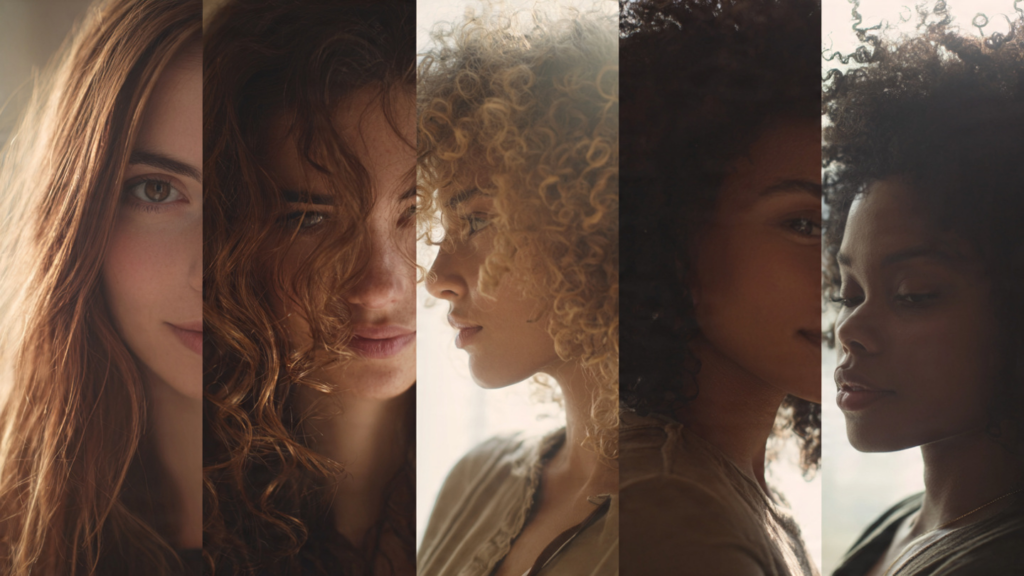
The routine eventually concludes, the hair is allowed to settle into its natural rhythm, and the scalp feels clear and calm. The strands possess a healthy, multi-dimensional texture that catches the light with every movement. What remains is a feeling of total composure—a realization that the best results are always those that are allowed to live in a supportive and knowledgeable environment.
✨ AI Insight: Texture is the voice of your hair; your routine is simply the art of listening closely enough to know what it’s asking for.