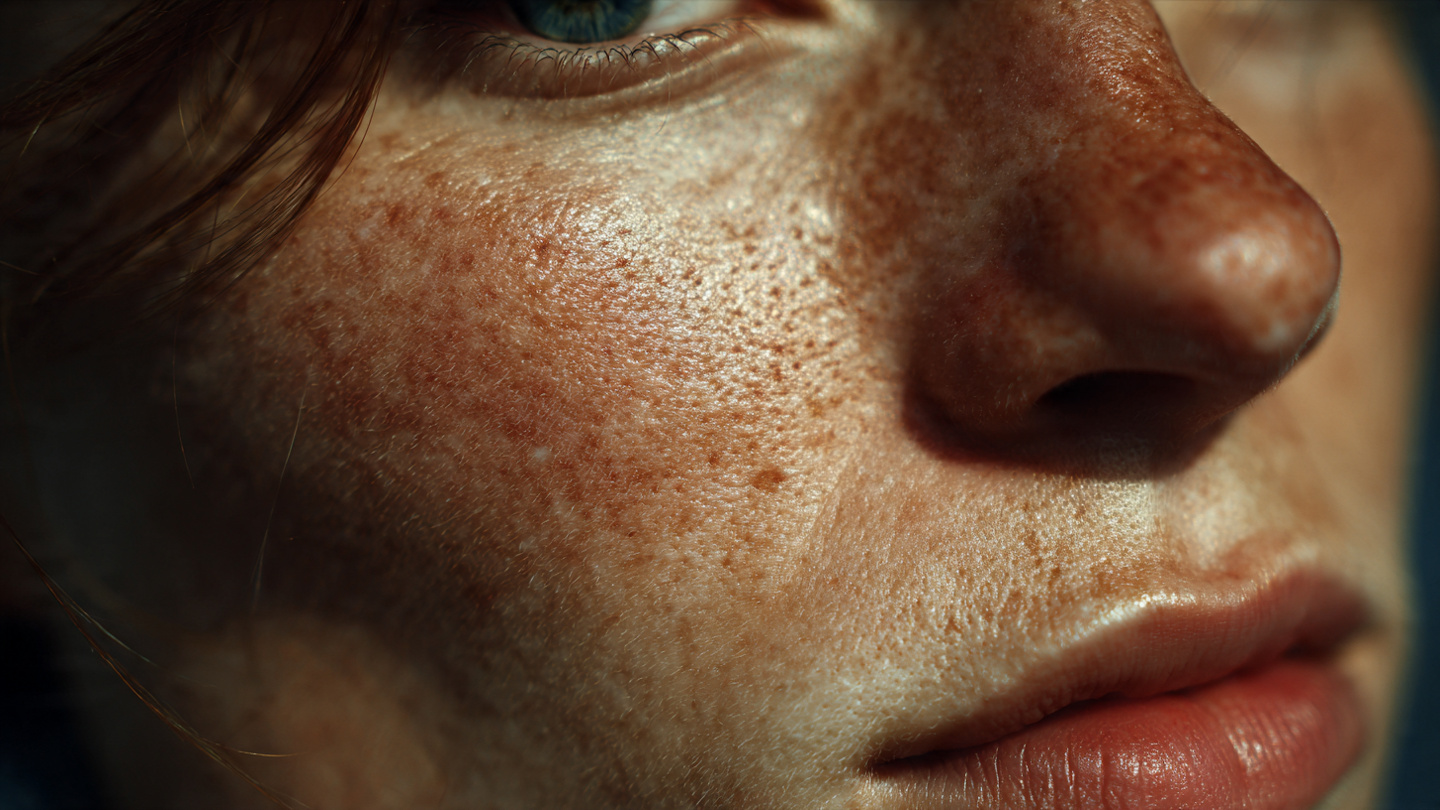

Sun habits often feel insignificant in the moment. A short walk, a few minutes by a window, an afternoon spent outside without much thought. None of these moments seem dramatic on their own, yet over time, they begin to add up in ways people gradually start to notice.
Skin doesn’t usually react loudly to sun exposure right away. Instead, it reflects patterns. What’s repeated quietly becomes visible slowly, shaping how skin feels and looks across the years.
Daily Exposure Matters More Than Occasional Days
Many people associate sun impact with obvious situations—beach days, vacations, long hours outdoors. But for skin, everyday exposure often plays a larger role.
Walking to work, sitting near windows, running errands—these small, repeated moments contribute to cumulative change. Over time, skin begins responding to what it experiences most often, not what feels most intense.

Sun habits shape skin gradually, through consistency rather than extremes.
Changes Appear as Subtle Shifts, Not Sudden Events
Long-term sun habits rarely show up as sudden changes. Instead, people notice gradual shifts. Skin tone looks less even than it once did. Texture feels slightly different. Certain areas seem more sensitive or slower to recover.
These changes don’t arrive all at once. They emerge slowly enough that they’re easy to dismiss at first. Only with reflection do patterns become clear.
Skin records exposure quietly, without urgency.
Comfort Is Often the First Thing to Change
Before visible signs appear, many people notice changes in how skin feels. Tightness after being outdoors lasts longer. Redness lingers. Skin feels warmer or more reactive by the end of the day.
Over time, these sensations become familiar. They don’t necessarily feel alarming, but they signal how sun habits are influencing comfort.
Skin often speaks through sensation before appearance.
Certain Areas Tell the Story First
Long-term sun habits tend to show up unevenly. Areas that receive consistent exposure—face, neck, hands—often reflect changes sooner.
These areas may feel drier, appear more textured, or respond differently to routine care. The contrast becomes noticeable not because something drastic happened, but because exposure patterns stayed the same for years.
Skin reveals habits by location as much as by time.
Recovery Slows with Repeated Exposure
Another long-term effect people notice is recovery time. Skin takes longer to settle after sun exposure than it once did.
Redness fades more slowly. Sensitivity lingers. Texture feels unsettled for longer stretches. These shifts aren’t dramatic, but they change how skin behaves day to day.
Recovery becomes a key indicator of how sun habits are affecting skin over time.
Tone and Texture Reflect Accumulation
Sun habits influence tone and texture through accumulation rather than intensity. Skin may look slightly duller or less even, not because of a single exposure, but because of repeated ones.
Texture can feel more pronounced in areas that see frequent sun. Fine lines or unevenness may become more noticeable, not suddenly, but steadily.
These changes reflect repetition more than damage.
Habits Shape Predictability
As sun habits continue, skin begins behaving in more predictable ways. Certain days always feel more reactive. Certain environments consistently trigger sensitivity.
This predictability often helps people recognize the connection between exposure and response. Skin becomes easier to understand, even as it continues to change.
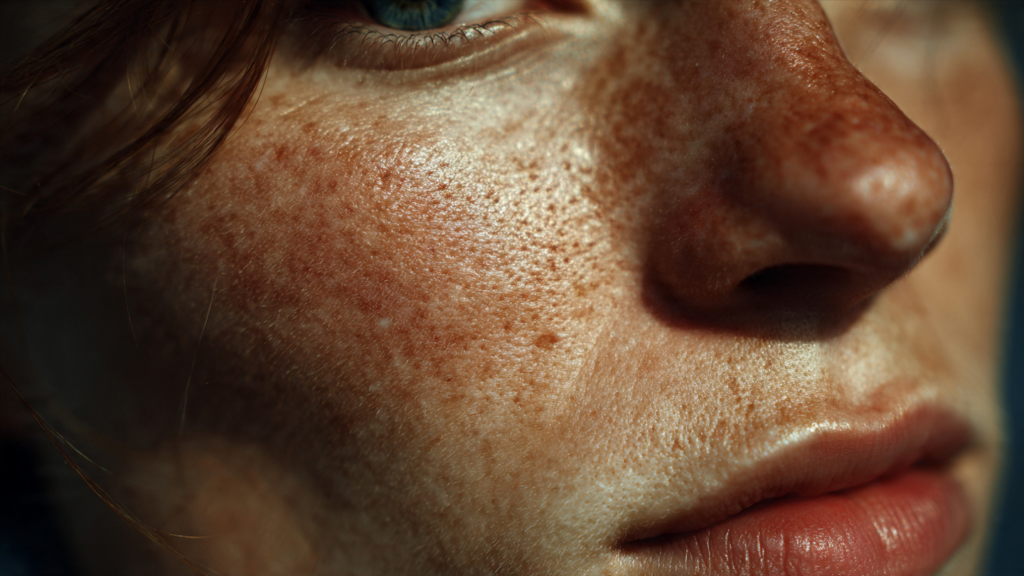
Patterns replace surprises.
Protection Changes the Long-Term Experience
When sun habits shift to include regular protection, people often notice changes over time rather than immediately. Skin feels steadier. End-of-day discomfort becomes less familiar.
The difference isn’t dramatic, but it’s consistent. Skin feels more resilient. Recovery feels smoother. Daily fluctuations feel less intense.
Protection doesn’t stop change—it softens how it unfolds.
Attention to Sun Habits Reduces Emotional Weight
Long-term sun habits don’t only affect skin physically. They influence how much attention skin demands.
When exposure feels unmanaged, skin often feels unpredictable. When habits feel supportive, skin becomes easier to live with. There’s less checking, less concern, less reaction to small changes.
This emotional ease becomes one of the most noticeable long-term benefits.
Why It Matters
Understanding how sun habits affect skin over time reframes expectations. Skin isn’t reacting randomly—it’s responding to patterns.
This perspective reduces urgency and blame. Instead of chasing correction, people begin focusing on consistency and comfort.
Long-term care becomes about support rather than control.
A Quiet Record of Daily Choices
Skin holds onto daily habits more faithfully than memory does. It reflects what happens often, not what stands out.
Over time, sun habits leave a quiet record on the skin—one shaped by repetition, adjustment, and response. These changes aren’t instant, but they’re meaningful.
Skin doesn’t demand perfection. It responds to patterns allowed to continue.
✨ AI Insight:
Many people realize how sun habits shape their skin when they notice familiar patterns returning in the same places, year after year.