
For many people, hair routines don’t change because they want a new routine.
They change because a tool enters the picture.
A blow dryer gets upgraded. A straightener becomes part of the morning. Someone buys a curling wand “just for events” and then starts using it on normal weekdays. A hot brush makes styling feel faster. A diffuser changes how curls behave.
And suddenly, the way you do your hair isn’t the same anymore.
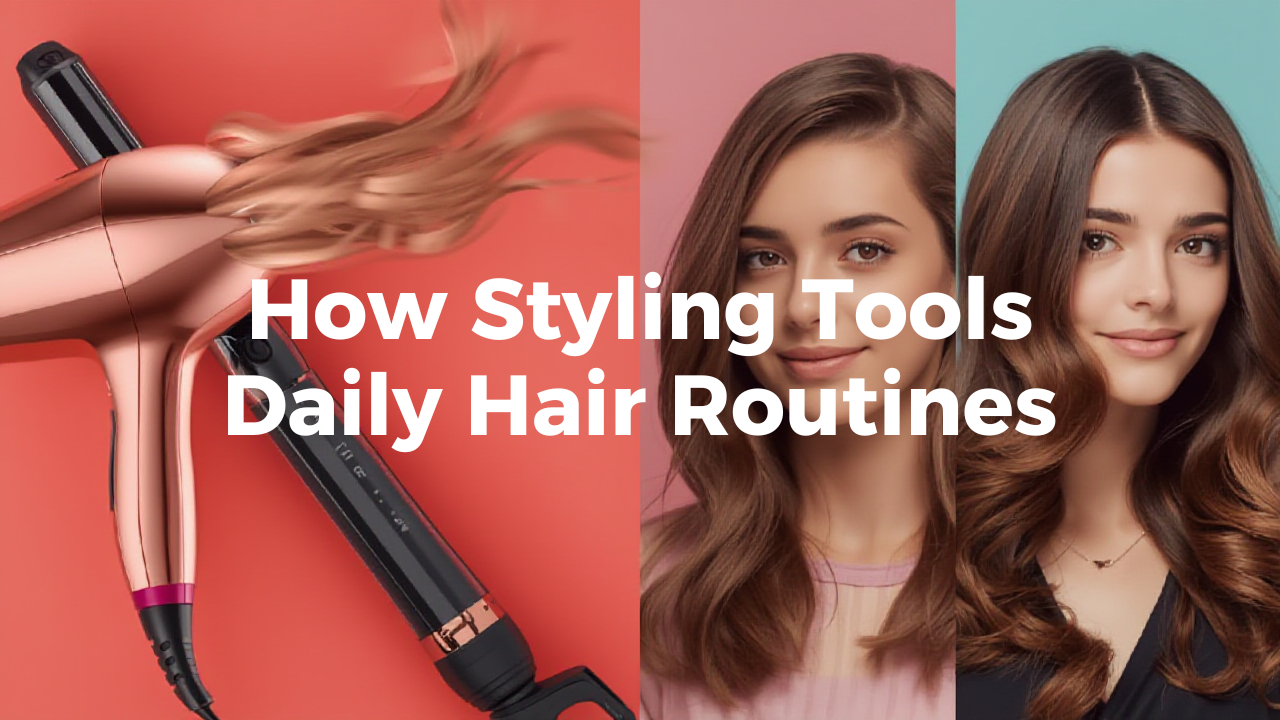
That’s the quiet power of styling tools: they don’t just shape hair—they shape habits. They influence time, technique, product choices, and even how people think their hair is “supposed” to look.
If you’ve ever wondered how styling tools change daily hair routines, the answer is often simple: they make certain looks easier to repeat—and that repeats becomes routine.
Styling tools change the rhythm of the day
A hair tool doesn’t just add a step. It changes the schedule around that step.
People often notice that once styling tools become part of their routine, they begin planning their mornings differently:
- washing hair at a certain time so it dries “right”
- waking up earlier on styling days
- adjusting shower timing
- setting aside time for heat styling
- deciding whether to style before or after makeup
Even a five-minute tool changes the pace of getting ready.
Over time, people start building their day around the routine that the tool creates.
Tools influence how often people wash their hair
A major shift people notice after adding styling tools is wash frequency.
Some tools make hair feel more manageable for longer, which can reduce how often people wash. Others make people feel like they need a fresh wash more often.
For example, people often adjust because:
- blowouts can stretch wash days
- straightening can make oil show differently
- curling can hold best on day-two hair
- diffusing changes how curls set and last
- hot tools can make hair feel “done,” reducing the urge to wash again
Over time, a tool can subtly reshape someone’s whole wash-and-style cycle.
Styling tools change which products become “necessary”
Once a styling tool becomes part of the routine, products often follow.
People start reaching for:
- heat protectants
- smoothing creams
- volumizing sprays
- mousse
- texture sprays
- hairspray
- oils or serums for shine
- dry shampoo to extend styles
Even if the tool is the main change, the routine expands around it.
Over time, people often realize they’re not just using a tool—they’re maintaining the look the tool creates.
That’s how a simple new tool can change the whole shelf.
Tools shape expectations of what hair should look like
This is one of the biggest quiet changes.
Once someone styles their hair with a tool regularly, their “normal” hair starts to feel different.
For example, someone who straightens frequently may begin seeing their natural texture as “unfinished.” Someone who diffuses curls may feel their air-dried hair looks less defined. Someone who uses a blowout brush may start expecting a certain smoothness as the default.
Nothing about their hair changed—but the baseline expectation did.
Over time, styling tools can change how people define:
- polished hair
- presentable hair
- “good hair day” hair
That shift affects daily choices more than people realize.
Tools often make hair feel more controllable
One reason people adopt styling tools is control.
Hair can be unpredictable. Weather, humidity, sleep, and texture all affect how it looks day to day. Styling tools offer a way to create consistency.
Over time, many people notice that tools make their routine feel more reliable:
- frizz feels easier to manage
- volume feels more adjustable
- shape feels more intentional
- styles last longer
- hair feels more “set”
That reliability is comforting, which is why tools tend to stick around in routines once they’re introduced.
Tools can make routines either faster or more complicated
Some tools streamline routines.
Some add steps.
People often notice a split:
Tools that simplify
- hot brushes that combine brushing and drying
- quick straighteners for touch-ups
- diffusers that reduce frizz and reshape curls
- tools designed for “five-minute hair”
Tools that complicate
- multiple hot tools (straightener + curling wand)
- blowouts that require sectioning and clips
- styling routines that involve multiple steps and finishing sprays
Over time, people either build a routine that feels efficient—or one that becomes a full ritual.
Both are common. The tool shapes the habit.
Styling tools change how people handle “off days”
Before tools, off days might mean:
- messy bun
- ponytail
- braid
- hat day
After tools enter the routine, off days often change.
People might:
- do quick touch-ups instead of a full restyle
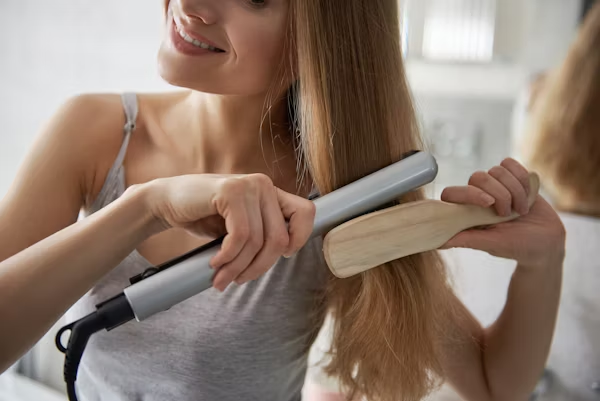
- rely on a hot tool to “fix” one section
- use dry shampoo and a little heat to refresh
- style only the front pieces and leave the rest natural
Over time, tools can reduce the number of “do nothing” hair days because they make small fixes feel easy.
Tools affect how hair feels, not just how it looks
Daily tool use changes the sensory experience of hair.
People often notice:
- hair feels smoother after blow-drying
- hair feels lighter or fluffier after styling
- hair feels more structured when it’s “set”
- the scalp might feel different with heat and product buildup
- hair can feel drier or more fragile over time, depending on habits
Even without focusing on hair health, people notice how styling changes hair texture and movement.
The tool isn’t just visual—it changes the feel of hair in daily life.
A calm takeaway to end on
Styling tools change daily hair routines because they change what’s easy.
They change the rhythm of mornings, wash frequency, product choices, and what “finished hair” looks like. Over time, a tool becomes more than a tool—it becomes part of someone’s identity, habits, and definition of a good hair day.
And that’s why styling tools can have such a big impact: they don’t just shape hair.
They shape routines.
Ai Insights: Over time, many people notice that once a styling tool becomes part of their routine, it quietly reshapes their timing, product choices, and expectations of what their hair looks like on a “normal” day.