
Daily makeup choices are rarely dramatic decisions. They’re shaped quietly, through mornings that repeat, mirrors glanced at briefly, and products that prove themselves over time. What people reach for each day is less about trend and more about what feels dependable.
Over time, daily wear makeup becomes a reflection of routine rather than intention. It settles into place not because it’s exciting, but because it fits.
Comfort Is the First Filter
For everyday wear, comfort usually comes before everything else. Products that feel heavy, sticky, or restrictive tend to fall out of rotation quickly, no matter how good they look initially.
Daily makeup needs to move with the face. It should feel unobtrusive during conversations, commutes, and long hours. When makeup is comfortable, it stops being monitored and starts being trusted.
This physical ease often determines whether a product becomes a staple or stays unused.
Familiarity Builds Preference
People often choose daily makeup based on what feels familiar. Products that behave predictably—blending the same way each time, wearing down evenly—create confidence.
Familiarity reduces hesitation. There’s no wondering how something will look halfway through the day or whether it needs adjusting. The routine flows without thought.
Over time, familiarity becomes more valuable than novelty.
Ease of Application Matters More Than Perfection
Daily routines don’t leave much room for precision. Makeup chosen for everyday wear is usually easy to apply without ideal lighting or tools.
Products that can be applied quickly, blended with minimal effort, and forgiven if imperfect tend to stay. Complicated techniques rarely survive long-term daily use.
Ease supports consistency, which quietly shapes preference.
A Natural Finish Feels More Adaptable
Many people gravitate toward finishes that resemble skin rather than transform it. A natural or soft finish works across settings—work, errands, casual plans—without feeling out of place.
Daily wear makeup often needs to feel appropriate everywhere, not striking in one context. Subtlety allows makeup to adapt to the day instead of defining it.
When makeup feels versatile, it’s easier to choose repeatedly.
Longevity Without Rigidity Is Key
For daily wear, makeup isn’t expected to look perfect all day. It’s expected to wear kindly.
People tend to choose products that fade softly rather than crack or separate. Makeup that ages gracefully reduces the need for touch-ups and checking.
Longevity matters, but flexibility matters more.
Shade Choices Favor Flexibility
Exact shade matches often matter less for daily wear than adaptability. Skin tone can shift with sleep, seasons, and environment.
Products that still look balanced despite these changes become favorites. Blushes, foundations, and concealers that adjust visually are easier to rely on.
Flexibility reduces the pressure to get everything exactly right.
Daily Makeup Is Chosen for the Whole Face, Not One Feature
People often consider how products work together rather than in isolation. A base that doesn’t disturb blush. A blush that complements lips and eyes naturally.
Daily wear makeup is chosen for harmony. When products layer well, the routine feels cohesive instead of pieced together.
This cohesion saves time and mental energy.
Less Is Often Preferred for Everyday Life
Daily makeup choices tend to lean lighter over time. Fewer layers feel easier to manage and more comfortable to wear.
This doesn’t mean no makeup—it means enough. Enough to feel awake, balanced, and present without feeling constructed.
Less makeup often supports more confidence because it asks for less attention.
Emotional Ease Influences What Gets Used
Beyond performance, daily makeup is chosen for how it makes people feel. Products that create worry—about creasing, fading, or discomfort—are quietly set aside.
Makeup that feels reassuring stays. When the face feels settled, attention moves outward rather than inward.
Emotional comfort often determines loyalty more than visible results.
Repetition Refines the Routine
Daily makeup routines refine themselves over time. Products that don’t earn their place disappear naturally.
What remains is what fits life as it is. The routine becomes smaller, steadier, and more intuitive.
Choice becomes habit, and habit becomes preference.
Why It Matters
How people choose makeup for daily wear shapes how they experience their days. When makeup feels supportive, it fades into the background instead of competing for attention.
This ease allows confidence to feel internal rather than visual. Makeup becomes something that helps rather than something that needs managing.
Daily wear choices matter because they’re repeated—quietly, consistently, and over time.
When Makeup Becomes Part of the Day
The most successful daily makeup isn’t noticed for how it looks. It’s noticed for how little it interrupts.
Applied without thought, worn without adjustment, and forgotten once the day begins, it supports rather than defines.
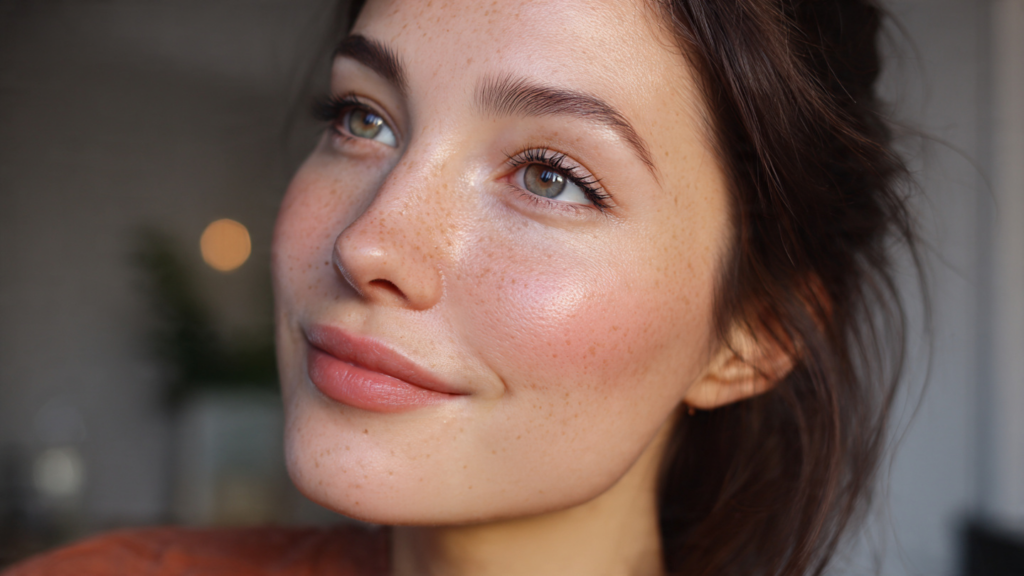
Daily makeup choices settle not through decision, but through lived experience.
✨ AI Insight:
Many people realize they’ve chosen the right daily makeup when getting ready feels routine, and their face feels settled enough to forget about it for the rest of the day.