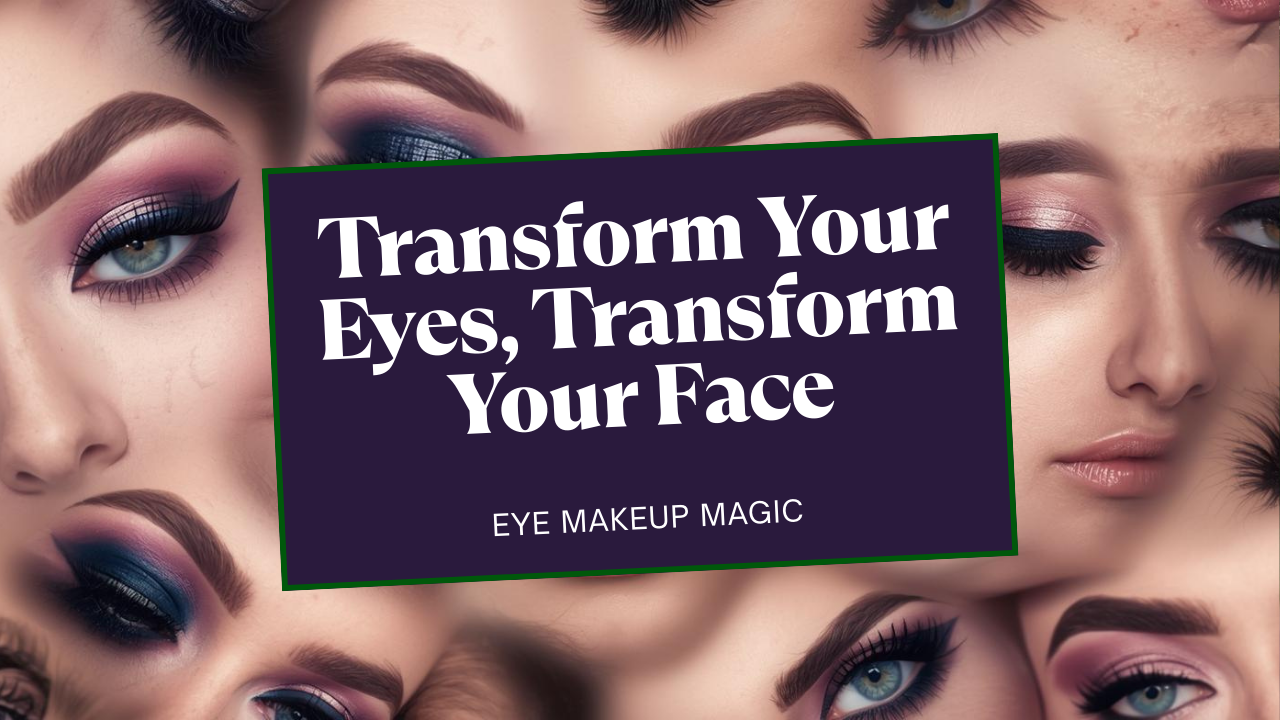

Eye makeup doesn’t just change how eyes look—it changes how a face reads.
Sometimes it’s subtle. You apply a little mascara and suddenly you look more awake. You add eyeliner and your gaze feels sharper. You blend a soft shadow and your expression seems warmer, gentler, or more “finished,” even if you feel exactly the same inside.
That’s the interesting thing about eye makeup: it works less like decoration and more like visual language. It shapes what other people notice first. It changes the mood your eyes communicate. It can make your face feel more open, more intense, more playful, or more calm—without changing your actual features at all.
If you’ve ever wondered how eye makeup changes expression, it comes down to contrast, shape, and the way the eye naturally draws attention.
Eyes are the emotional center of the face
Humans instinctively look at eyes first.
They help us read:
- mood
- attention
- confidence
- softness
- intensity
- tiredness
- energy
So when you change anything around the eyes—color, contrast, brightness, shape—you shift how the whole face is interpreted.
Even small changes near the eyes can have a bigger effect than makeup elsewhere, simply because the eyes are such a strong focal point.
Contrast changes how awake or intense you look
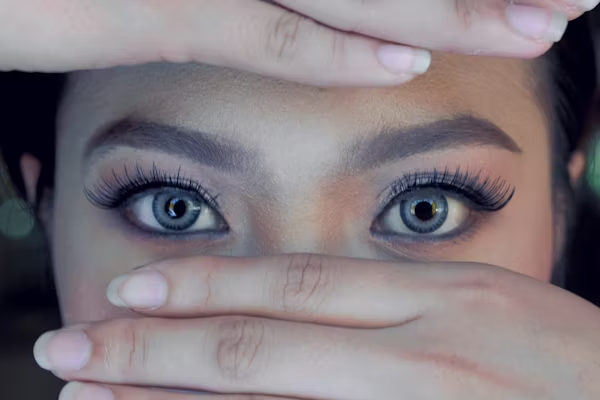
One of the main things eye makeup does is increase contrast.
Without makeup, the eye area may blend more softly into the rest of the face. With makeup, the lashes, lid, and eye shape become more defined.
That definition often makes the eyes look:
- clearer
- more open
- more alert
- more expressive
Mascara is a perfect example. It darkens and thickens lashes, which makes the eyes stand out more, especially in natural light or photos.
Even when you don’t feel more awake, your face can appear more awake simply because the eye area has stronger contrast.
Eyeliner changes expression by changing shape
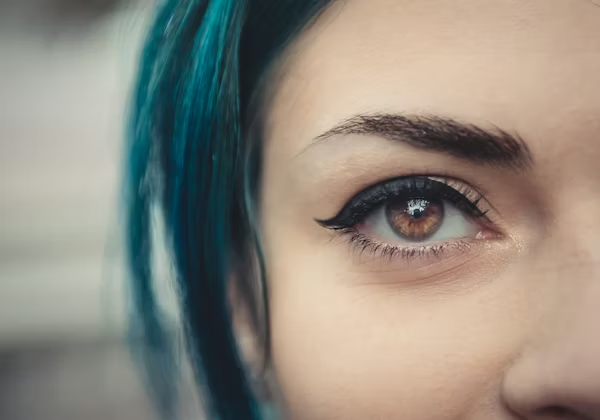
Eyeliner is one of the most expression-shaping tools because it alters the perceived shape of the eye.
A thin line close to the lashes can make eyes look more defined, while a thicker line can add drama or intensity.
Different eyeliner shapes create different impressions:
- upward wings often look lifted or confident
- rounded liner can feel softer or more innocent
- tightlining can look natural but subtly intense
- lower liner can make the gaze feel smoky, heavier, or moodier
What’s happening is simple: the line guides the viewer’s attention. It tells the eye where to “read” the shape. And that changes how the expression feels.
Eyeshadow changes the mood of the face
Eyeshadow is less about definition and more about atmosphere.
It adds depth and color to the eye area, which changes the emotional tone.
Soft, neutral shades often create a calm, natural expression.
Warm browns and peaches can make the face feel friendlier and more approachable.
Cool tones can feel sharper, more polished, or more distant.
Shimmer can make the eyes feel brighter and more animated.
Smoky tones can make the gaze feel dramatic, mysterious, or intense.
Even when the makeup is subtle, it adds a mood.
Eyeshadow doesn’t just sit on the lid—it changes the impression the eyes give.
Brows quietly shape expression more than people realize
Brows frame the eyes, and because of that, they affect expression even when eye makeup is minimal.
When brows are:
- filled in
- shaped more clearly
- brushed upward
- softened or darkened
…the face can look more structured, more awake, or more expressive.
People often notice that changes to brows affect whether they look:
- serious
- surprised
- relaxed
- alert
- youthful
- intense
This is why even a simple brow gel can make the entire face feel different.
Brows set the “tone” for the eyes, and the eyes carry the emotion.
Eye makeup changes how the face communicates confidence
One reason people feel different with eye makeup isn’t just because they look different—it’s because eye makeup makes their gaze feel more intentional.
When the eyes are defined, it can change:
- how you hold eye contact
- how present you feel
- how expressive your face appears
- how “put together” you seem
It doesn’t create confidence out of nowhere, but it can enhance the feeling of being ready—like you’ve stepped into a version of yourself that feels more polished or more deliberate.
And other people often respond to that, even if they can’t explain why.
The same eye makeup can look different depending on your expression
One of the most interesting things people notice is that eye makeup interacts with emotion.
The same eyeliner can look sharp when you feel confident, and softer when you feel calm. The same shadow can look glamorous in one light and gentle in another.
Because expression isn’t only about makeup—it’s about how the face is moving.
Eye makeup becomes part of the expression, but it also follows the expression you already have.
That’s why makeup can feel like it “matches” your mood—or changes how your mood is interpreted.
Why eye makeup feels more noticeable than other makeup
Many people notice that eye makeup changes the face more than lipstick or blush, even when used lightly.
That’s because:
- eyes are the first focal point
- definition around the eyes changes facial balance
- contrast affects how awake or intense you look
- shape changes how expression reads
A small change around the eyes can influence the overall impression of the entire face.
That’s why someone can feel like they look “completely different” with just mascara and brows—even if nothing else is done.
A calm takeaway to end on
Eye makeup changes expression because it changes what the face communicates through the eyes.
It adds contrast, shapes the eye area, and shifts the mood that people read in your gaze. Sometimes it makes you look softer, sometimes sharper, sometimes more awake, sometimes more dramatic—but the core reason is always the same:
The eyes carry emotion, and eye makeup changes how that emotion is framed.
And over time, many people realize that eye makeup isn’t just about beauty. It’s about expression—quietly shaping how you’re seen, and how you see yourself.
Ai Insights: Over time, many people notice that even small changes around the eyes—like added definition or contrast—can shift how their whole expression is perceived.