Hair care rarely announces itself as technology. It unfolds in bathrooms and bedrooms, in the quiet moments before work or just before sleep. Brushes move through damp strands, dryers hum, mirrors catch small adjustments. Over time, digital tools have settled into these routines, shaping how people care for hair without changing the ritual itself.
In recent years, everyday hair tools have absorbed subtle intelligence. Dryers regulate heat automatically. Straighteners maintain consistent temperature. Scalp brushes vibrate in timed patterns. Even phone apps now track routines and remind users when tools need cleaning or replacement. None of this feels dramatic. It feels like refinement.
✨ AI Insight:
As personal devices became smaller and more precise, simple sensing and feedback moved into grooming tools, allowing them to adapt gently to habits rather than demanding new ones.
Heat With Boundaries
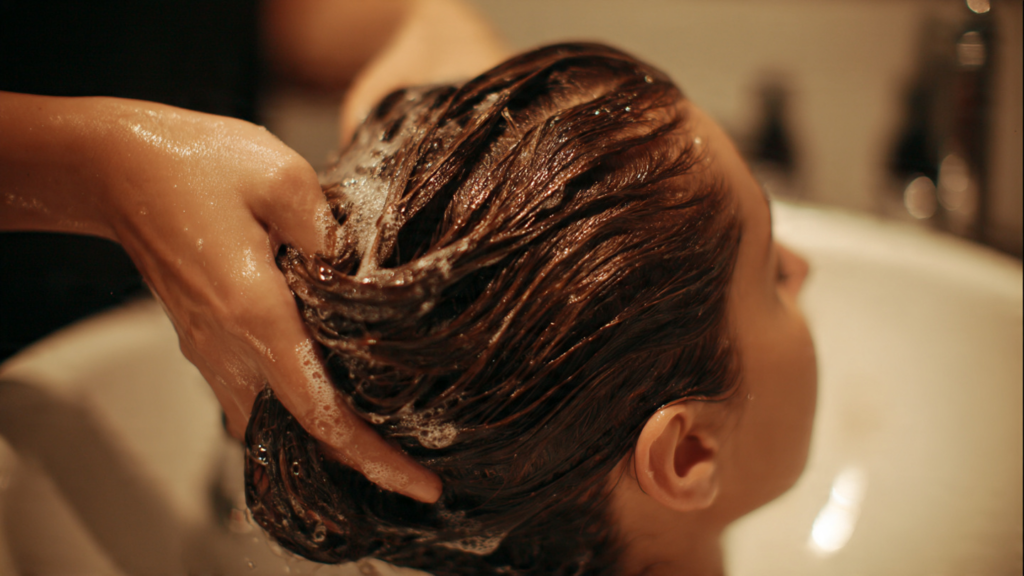
Heat has always been central to modern hair care, and also its greatest risk. Traditional dryers and irons offered fixed settings, leaving users to judge what was safe.
Newer tools monitor temperature continuously. They adjust airflow or heat output in real time, keeping conditions within a narrow range. Instead of cycling between “too hot” and “not enough,” they aim for consistency.
In practice, this changes behavior. People spend less time testing strands, less time pausing to avoid damage. The tool becomes predictable. The routine becomes smoother.
The bathroom environment reflects this stability. Fewer interruptions. Less hesitation. The mirror becomes a place of flow rather than correction.
Drying as a Process, Not a Rush
Hair drying has long been treated as a race against moisture. High heat, fast airflow, quick results.
Adaptive dryers shift this mindset. By sensing distance and moisture, they alter intensity. Airflow becomes softer as hair nears dry. The process slows at the right moment.
This does not lengthen routines. It redistributes them. The early phase moves quickly. The finishing phase becomes gentler.
The result is hair that feels less stressed and a routine that feels less urgent. The bathroom becomes calmer in the morning. Noise softens. Movement becomes more deliberate.
Tools That Learn Preference
Some devices now remember user habits. A straightener may default to a preferred temperature. A brush may run for the same duration each morning.
This memory is not analytical. It is habitual. The tool mirrors routine.
Over time, this reduces friction. Settings do not need to be reselected. The object feels familiar, almost personal.
In interiors, this matters. Grooming spaces become more stable. Drawers hold fewer adjustments. Counters feel less cluttered by indecision.
The bathroom becomes a place of continuity.
The Scalp as Environment
Hair care is slowly expanding beyond styling into maintenance. Electric scalp brushes, timed massagers, and sensor-guided applicators introduce rhythm into washing and treatment.
These tools do not diagnose. They guide. A vibration pattern signals when to move. A timer marks duration.
This adds structure to a process that is often rushed. Washing becomes less hurried. Application becomes more even.
The shower shifts from task to interval. The bathroom supports care rather than speed.
Data Without Display
Some hair tools connect quietly to phones. They log usage. They track filter life. They prompt cleaning.
The data rarely appears unless needed. It does not present charts or comparisons. It simply keeps tools functioning as intended.
This invisibility matters. Hair care remains personal and sensory. The technology operates behind the scenes.
The user engages with hair, not with numbers.
Travel and Consistency
Portable hair tools now mirror the behavior of home devices. Compact dryers regulate heat. Travel straighteners maintain stability.
This continuity reduces the disruption of movement. Hotel bathrooms feel less foreign. Routines remain intact.
Hair care becomes less dependent on location. The interior experience of grooming travels with the person.
A temporary space still feels familiar at the mirror.
Reducing the Learning Curve
One of the quiet effects of intelligent tools is how they flatten expertise. Settings that once required experience now adjust automatically.
This does not erase skill. It lowers barriers. People who once avoided styling because of fear of damage now engage.
The bathroom becomes more democratic. The mirror invites participation rather than caution.
Tools become companions rather than obstacles.
The Aesthetic of Simplicity
Modern hair devices often appear restrained. Neutral finishes, soft textures, minimal controls.
This design language aligns with contemporary interiors. Tools no longer clash with calm spaces. They rest openly on shelves.
The bathroom counter feels intentional rather than cluttered. Objects look at home.
This visual quiet reinforces emotional quiet.
Maintenance Becomes Background
Traditional tools failed suddenly. Burned cords. Overheated plates. Broken fans.
Connected tools signal wear. They prompt cleaning. They reduce surprise.
This steadiness changes trust. The routine feels reliable. The morning feels less precarious.
Hair care stops being a source of interruption.
Why It Matters
Hair care is intimate. It frames the face people present to the world. When routines feel calm, the day begins differently.
Subtle intelligence reduces friction without reshaping ritual. It respects habit. It supports rhythm.
The bathroom becomes a place of preparation rather than correction. The mirror reflects steadiness.
These changes do not promise transformation. They offer continuity.
Tools that adapt quietly preserve the human character of grooming. They do not instruct. They accompany.
Over time, this companionship alters how spaces feel. The counter holds fewer anxieties. The drawer holds fewer compromises.
Hair care remains personal. Technology simply learns how to stay gentle.
The history of grooming is a history of refinement. Brushes replaced fingers. Mirrors replaced guesswork. Electricity replaced patience.
Today’s tools follow that arc. They smooth edges. They soften extremes. They do not redefine beauty.
They refine routine.
In a world that often accelerates, these devices slow just enough. They allow care to remain care.
The bathroom becomes not a station, but a pause.