
There is a quiet, restorative energy that enters a routine when we stop fighting the hair’s texture and start working with its chemistry. For colored hair, which has undergone a structural transformation, the move toward a gentle approach is not just a preference—it is a biological necessity.
The coloring process, by design, alters the hair’s external scales to deposit pigment deep within. This leaves the strands in a state of delicate vulnerability. Gentle care acts as a steadying hand, providing the soft-focus touch needed to keep those scales closed and the pigment secure. When we choose gentleness, we are choosing to protect the integrity of the fiber so the color can remain as vibrant as the day it was created.
The Preservation of the Lipid Barrier
Every strand of hair is coated in a thin, protective layer of lipids that provides natural shine and water resistance. Chemical processing often depletes this barrier, leaving colored hair prone to a “parched” or raspy texture. A gentle routine avoids the harsh, high-intensity movements that can further strip these essential oils.
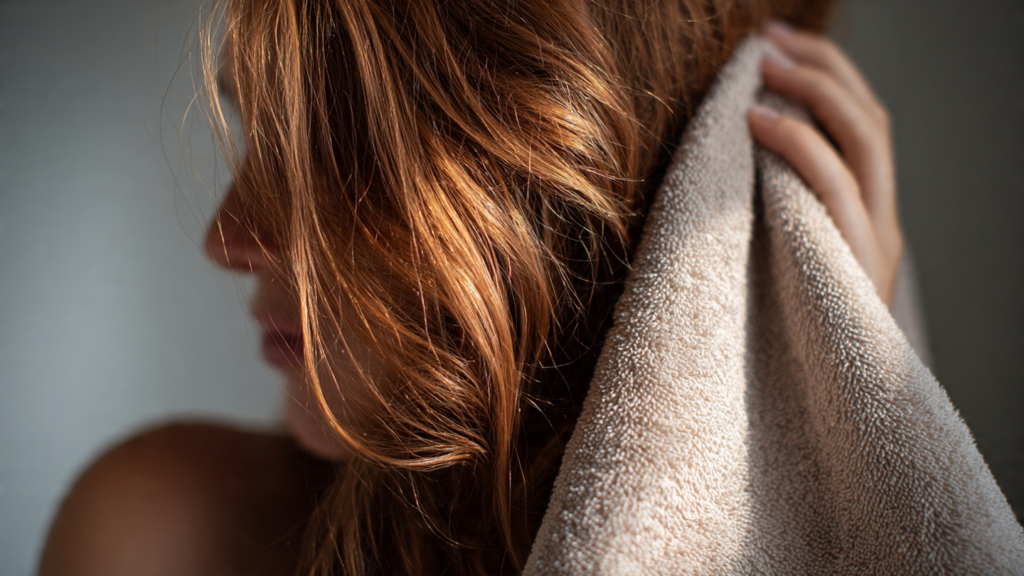
By using a rhythmic, light touch during cleansing and drying, we allow the hair to retain its natural suppleness. This preservation of the lipid layer ensures the hair possesses a natural “slip,” preventing the friction that leads to tangling and pigment leakage. The result is hair that feels soft and pillowy to the touch, carrying its color with a depth that looks entirely authentic.
The Management of Thermal Stress
Colored hair is significantly more sensitive to temperature fluctuations than virgin hair. High heat can cause the hair shaft to expand rapidly, forcing the cuticle open and allowing the color molecules to escape or oxidize. Gentle care prioritizes lower temperatures—both in the water we use to rinse and the tools we use to style.
This thermal restraint is a form of Quiet Luxury, where the choice to move slowly rewards the user with a longer-lasting, more multi-dimensional shade. By keeping the hair cool and calm, we ensure that the finish remains unified and high-definition. It is a practice in patience that results in a look that remains fresh and polished, regardless of how many weeks have passed since the salon visit.
The Restoration of Internal Elasticity
Gentle care focuses on the internal health of the hair, supporting the protein bonds that give colored strands their strength. When we handle the hair with a soft touch—using wide-tooth combs and microfiber towels—we reduce the mechanical stress that leads to snapping and split ends.
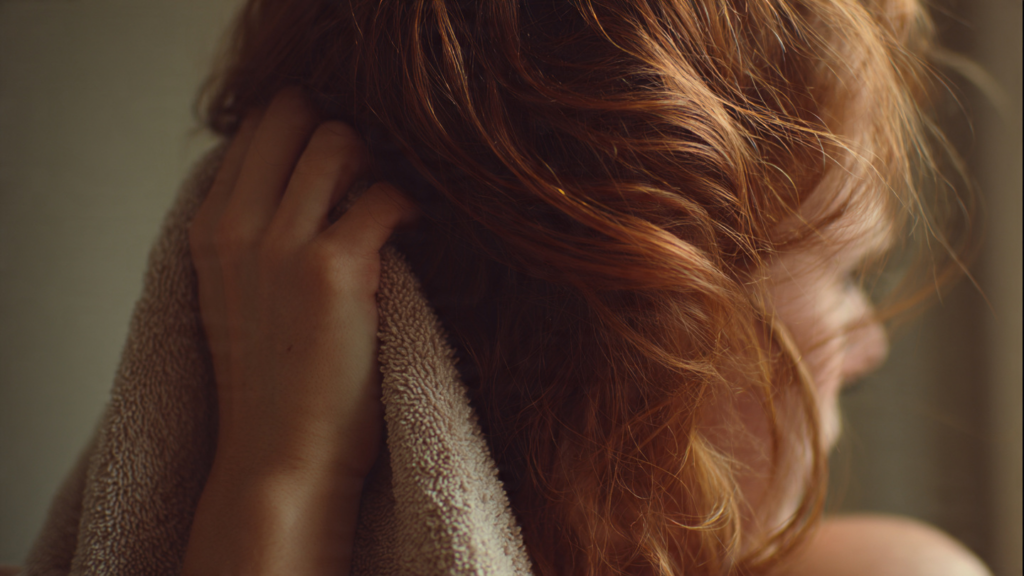
This focus on elasticity ensures the hair maintains its natural “bounce” and movement. Colored hair that is well-tended possesses a purposeful weight, settling into place with a grace that reflects a well-cared-for origin. By removing the aggression from the morning ritual, we transform a technical task into a restorative act of self-care, providing a foundation of steadying calm for the day ahead.
Why It Matters
Why gentle care helps colored hair matters because it shifts the focus from temporary “fixes” to sustainable, long-term health. By ensuring the integrity of the fiber, we reduce the need for frequent chemical reapplications, which supports the health of both the hair and the scalp.
From an editorial perspective, this focus on gentleness reflects a broader cultural move toward mindfulness and quality. It reminds us that the most successful looks are those nurtured through simple, daily acts of kindness toward ourselves. Investing in a gentle routine is a way of practicing self-respect, ensuring that our presence remains as vibrant and clear as our intentions.
What remains is a feeling of total composure—a realization that the most beautiful colors are the ones that are allowed to live in a supportive and knowledgeable environment.
✨ AI Insight: Gentleness is the invisible shield of the colorist; it is the daily commitment that ensures a masterpiece doesn’t turn into a memory.