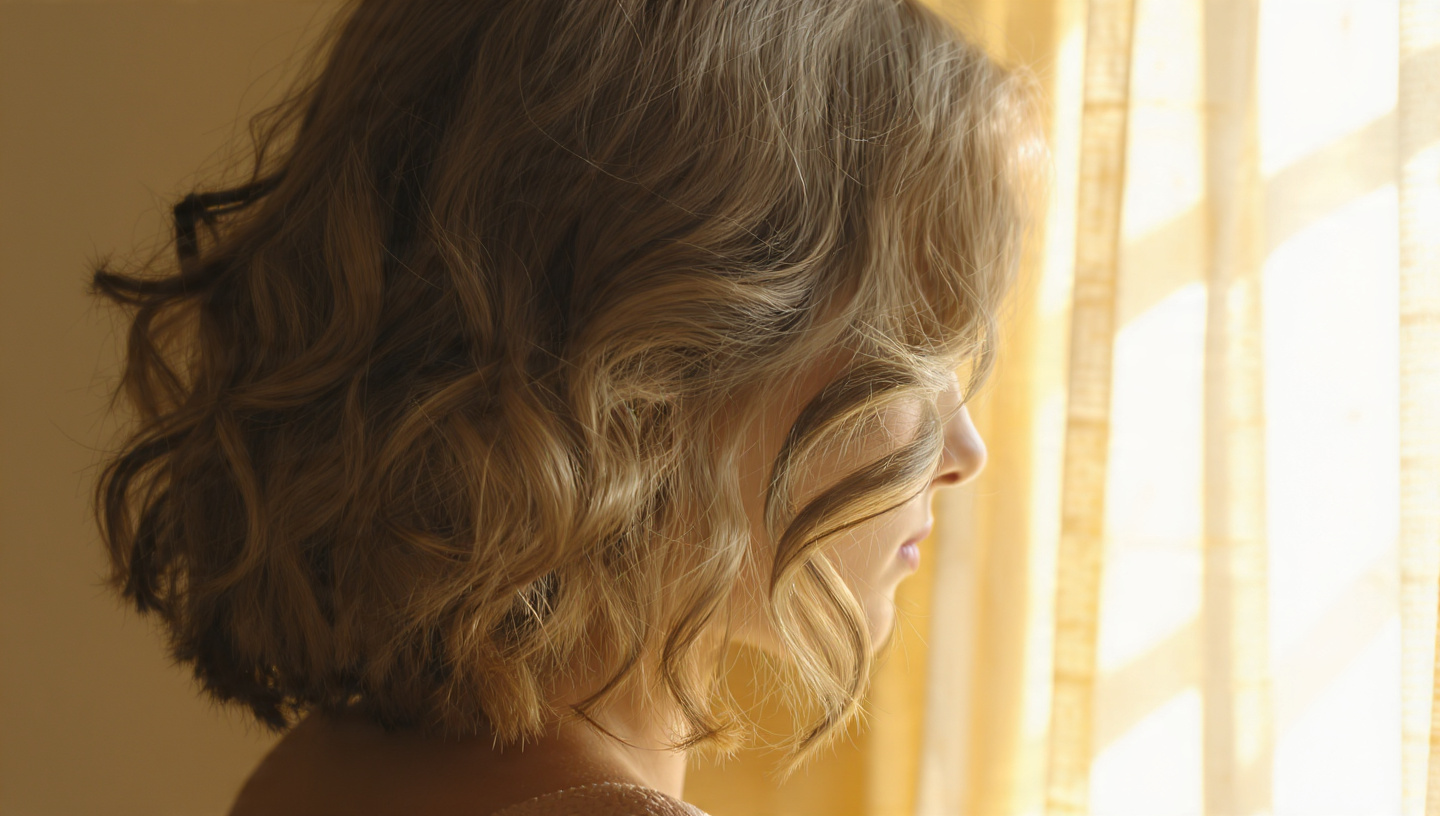

There is a quiet, physical relief that comes when we step away from the intense, focused energy of high-heat styling. It is the moment we stop fighting the hair’s natural anatomy and begin to work with its inherent texture.
When we reduce the heat in our routines, the hair responds with a renewed sense of elasticity and “bounce.” It is the transition from hair that feels fragile and over-processed to hair that possesses a soft, pillowy substance. Choosing less heat is not merely a technical adjustment; it is an editorial shift toward a look that is more “lived-in,” authentic, and grounded in long-term health.
The Restoration of Natural Elasticity
High heat functions by temporarily breaking down the structural bonds of the hair to force it into a specific shape. Over time, this constant manipulation can leave the strands feeling stiff and brittle. By opting for a lower temperature or air-drying, we allow the hair to retain its natural internal moisture and flexibility.
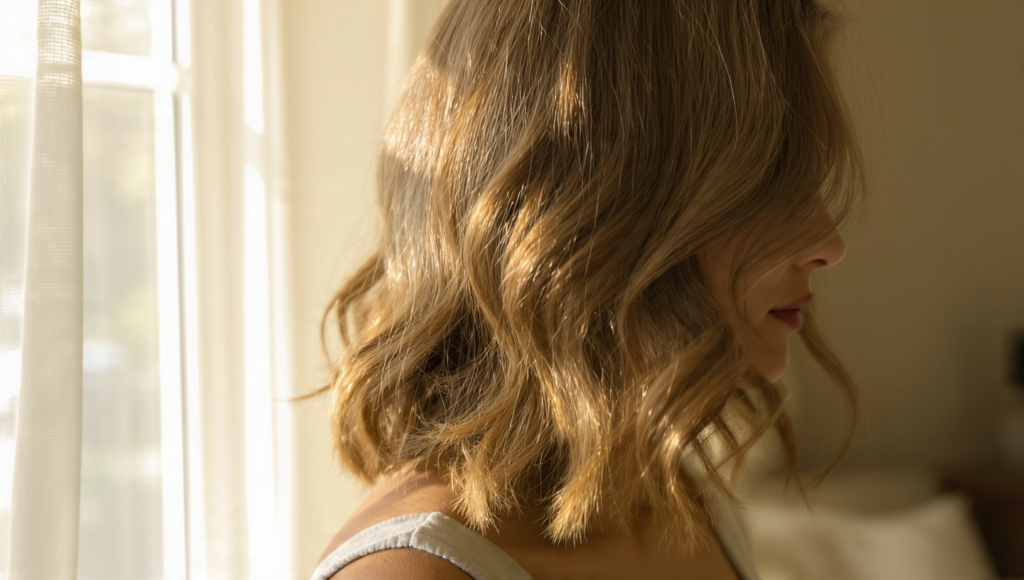
The result is hair that moves with a sense of purposeful grace. When the strands are not “scorched” into place, they possess a natural spring and resilience that is felt every time the head turns. It is a tactile change that rewards the individual with hair that is easier to manage and far more pleasant to the touch.
The Clarity of Authentic Shine
There is a distinct difference between the forced, glass-like shine of a flat iron and the soft, diffused glow of healthy hair. Less heat preserves the integrity of the hair’s external layer—the cuticle—keeping it smooth and flat without the risk of singeing the edges.
This clarity of shine is a visual shorthand for vitality. Because the hair has not been depleted of its natural oils, it reflects light in a way that feels deep and three-dimensional. This “glow” appears more vibrant in natural daylight, creating a polished look that doesn’t rely on heavy serums or synthetic sprays to appear refreshed.
The Ease of a Sustainable Routine
Reducing heat in a daily ritual simplifies the morning, removing the pressure of achieving a “perfect” or rigid style. It encourages a more intuitive relationship with the hair, where the goal is to enhance what is already there rather than masking it. This simplicity is a form of luxury, providing a few extra minutes of calm before the day begins.
A low-heat or no-heat routine is inherently more sustainable. It eliminates the “peaks and valleys” of hair health—the cycle of looking great for an hour only to feel the damage for a week. Instead, it offers a steady baseline of poise. It is a practice in mindfulness that proves that refinement doesn’t require intensity, only a moment of intentionality and a gentle touch.
Why It Matters
Why less heat feels better matters because it addresses the long-term integrity of our most personal features. By prioritizing the health of the fiber, we cultivate a sense of stability and confidence that isn’t dependent on a power outlet. It is a move toward a more honest and respectful form of self-care.
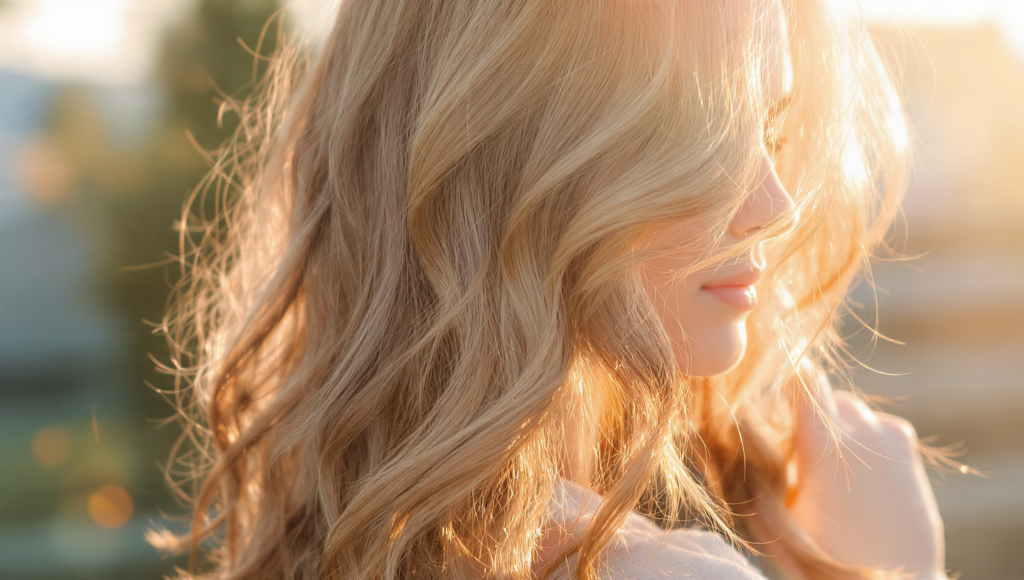
From an editorial perspective, this focus on low-heat styling reflects a broader cultural shift toward “Quiet Luxury” and authenticity. It reminds us that the most successful looks are the ones that feel the most comfortable and look the most like ourselves. Investing in the health of the hair today is a way of ensuring a graceful and vibrant presence for years to come.
The morning moves forward, and the hair carries a light, unburdened energy that reflects the care taken in the mirror. The scalp feels calm, the strands feel supple, and the look remains fresh from the first conversation to the last. What remains is a feeling of total composure—a realization that in styling, as in life, a softer approach often leads to the most enduring results.
✨ AI Insight: Heat is a tool for temporary change, but a gentle temperature is a commitment to the permanent health and character of your hair.