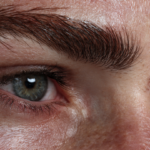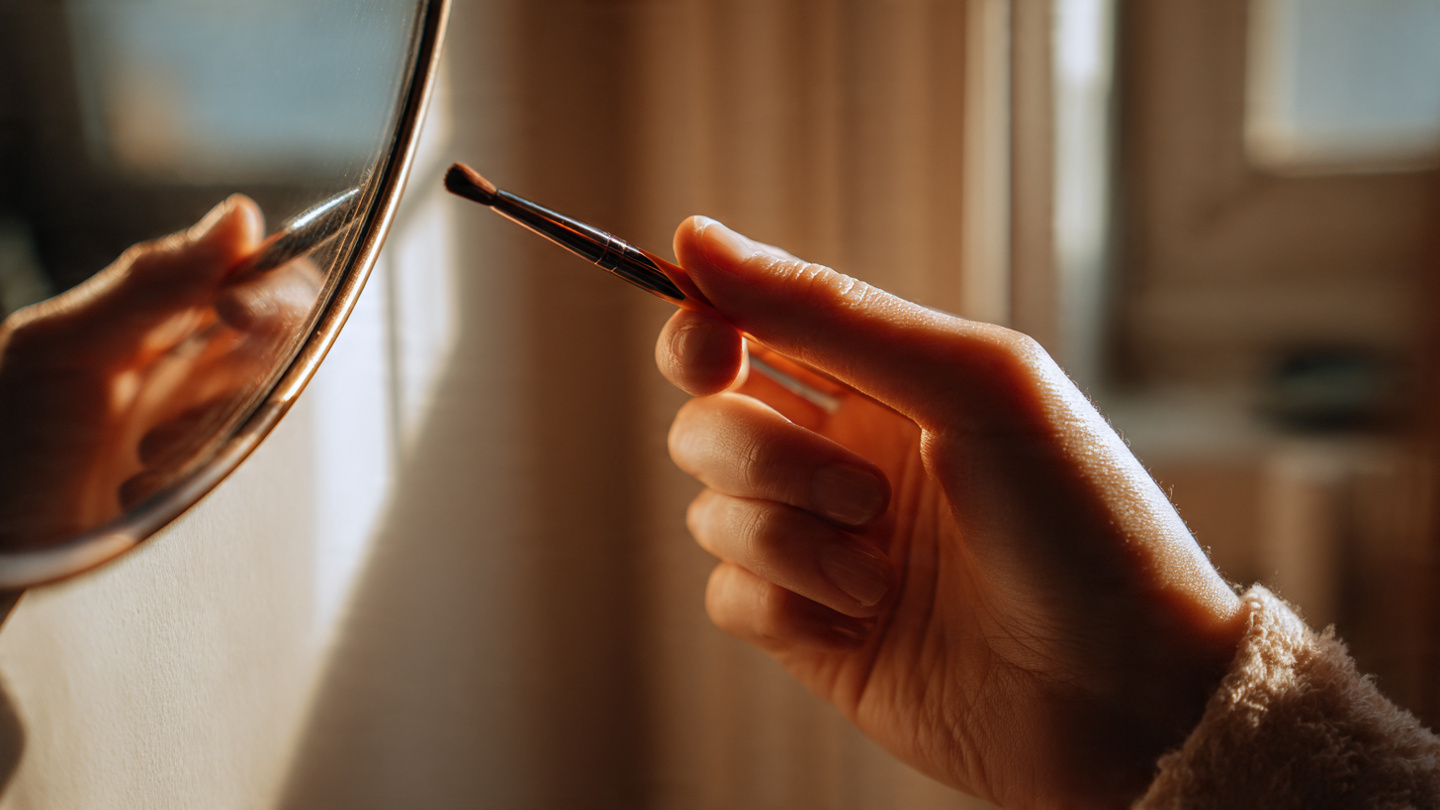

There is a brief, focused silence that occurs when a person leans toward a mirror to trace a line across the lid. It is a moment of singular concentration, where the outside world narrows down to the steady movement of a hand and the quiet architecture of the eye.
The practice of defining the eyes is rarely about the dramatic transformations seen in glossaries or on screens; more often, it is a subtle negotiation with the day ahead. Whether it is the soft sweep of a neutral shadow or the darkening of a lash line, these small adjustments act as a transition between the private self and the public face. In the context of a morning, this ritual serves as a bridge, a way of signaling to the mirror—and eventually the world—that one is awake and present.
The Architecture of Expression
The eyes are the primary focal point of human interaction, carrying the weight of non-verbal communication long before a word is spoken. Adding a touch of depth or a hint of light to this area is less about changing how one looks and more about framing how one perceives. A soft matte brown in the crease or a shimmering champagne on the inner corner does not alter the shape of the eye so much as it highlights its natural movement.
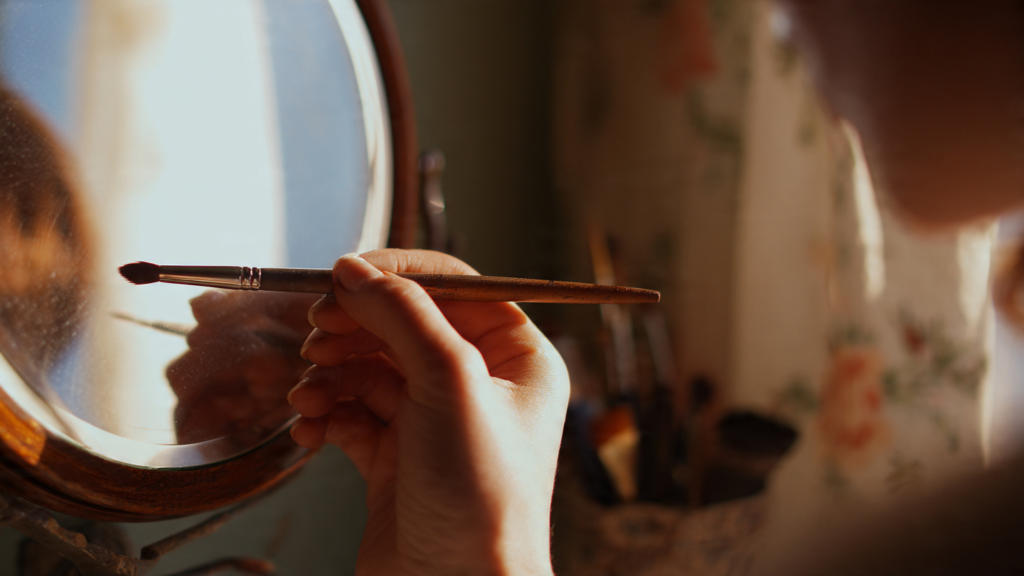
When the light catches a subtle texture on the eyelid, it creates a sense of dimension that feels both intentional and effortless. This isn’t a performance for others, but a way of acknowledging the complexity of one’s own expression. The way a shadow settles into the skin, becoming more lived-in as the hours pass, reflects the natural progression of a day. There is an understated beauty in makeup that moves with the wearer, creasing slightly with a smile or softening by late afternoon.
The Ritual of the Line
There is a distinct tactile satisfaction in the application of a pencil or a brush along the lash line. It is a gesture of precision that requires a grounding of the breath and a steadying of the pulse. This thin line of pigment serves as a silent frame, giving the gaze a sense of clarity. For many, this specific part of the routine is the most meditative, demanding a temporary pause in the mental checklist of the day’s responsibilities.
Choosing between a sharp, defined flick and a smudged, hazy border is often a reflection of a mood rather than a trend. A crisp line can feel like a suit of armor, providing a sense of sharpness and readiness, while a diffused shadow suggests a softer, more approachable energy. These choices are made in seconds, yet they dictate the sensory experience of wearing the look for the next twelve hours. The smudge of a finger to soften an edge is a humanizing touch, a reminder that the goal is harmony, not perfection.
The Weight and Lift of Lashes
The simple act of darkening the lashes carries a unique weight—both literally and figuratively. There is a physical sensation of “opening up” that occurs when a brush pulls through the fine hairs, lifting them toward the brow. This upward motion mirrors a mental awakening. The flutter of lashes against the cheek or the slight resistance of a coat of mascara provides a constant, tiny tactile reminder of one’s own presence throughout the day.
Lashes act as a veil, a subtle barrier that adds depth to the gaze without obscuring it. In the quiet moments of a conversation, the way the light hits the tips of the lashes can convey a sense of attentiveness. It is a detail that feels personal; the wearer knows the effort it took to separate each hair, even if the observer only sees a rested, clear-eyed expression. This part of the routine is perhaps the most universal, a final touch that feels like a finishing note in a familiar piece of music.
The Evolution of the Everyday Look
Over time, the way one approaches eye makeup shifts from experimentation to a settled, comfortable language. The bold colors of a decade ago might give way to a single, perfect taupe that feels like a second skin. This evolution isn’t about losing interest, but about finding a signature that aligns with a lived-in reality. There is a deep confidence in knowing exactly which tone makes the eyes look clear and which texture feels most comfortable during a long afternoon of work.
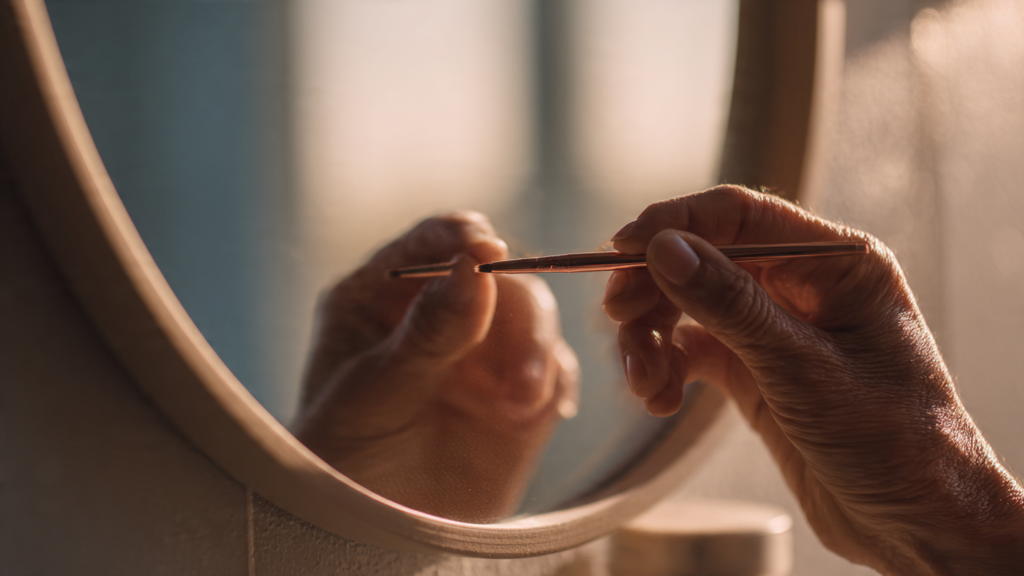
This refinement is a process of shedding what is unnecessary. It is the realization that a single, well-placed highlight can do the work of four different shadows. As the relationship with makeup matures, the focus moves away from “correcting” and toward “emphasizing.” The products that remain in the kit are those that have proven their worth through rain, long commutes, and late-night dinners—the reliable companions of a life well-lived.
Why It Matters
The significance of eye makeup in everyday life lies in its ability to provide a sense of agency over one’s own appearance. In a world where so much is beyond our control, the three minutes spent at the vanity offer a small, manageable territory of self-expression. It matters because it is a form of self-care that is both visual and psychological, offering a moment of creative play that is grounded in the reality of the mirror.
The editorial value of these rituals is found in their consistency. While trends may flicker and fade, the human desire to emphasize the “windows to the soul” remains constant. It is a quiet tradition passed down and personal, a way of honoring the face we present to the world while maintaining a private connection to the person behind the pigment.
The day eventually winds down, and the pigments are swept away with a soft cloth and a bit of oil. The mirror returns to reflecting a bare face, and the eyes, now unadorned, prepare for rest. The ritual ends exactly where it began—in a quiet moment of reflection, acknowledging that the day was seen clearly, and the self was carried through it with intention.
✨ AI Insight: There is a quiet power in the way a single line of color can make a person feel more like themselves, as if the pigment acts as a silent anchor for their identity throughout the noise of the day.