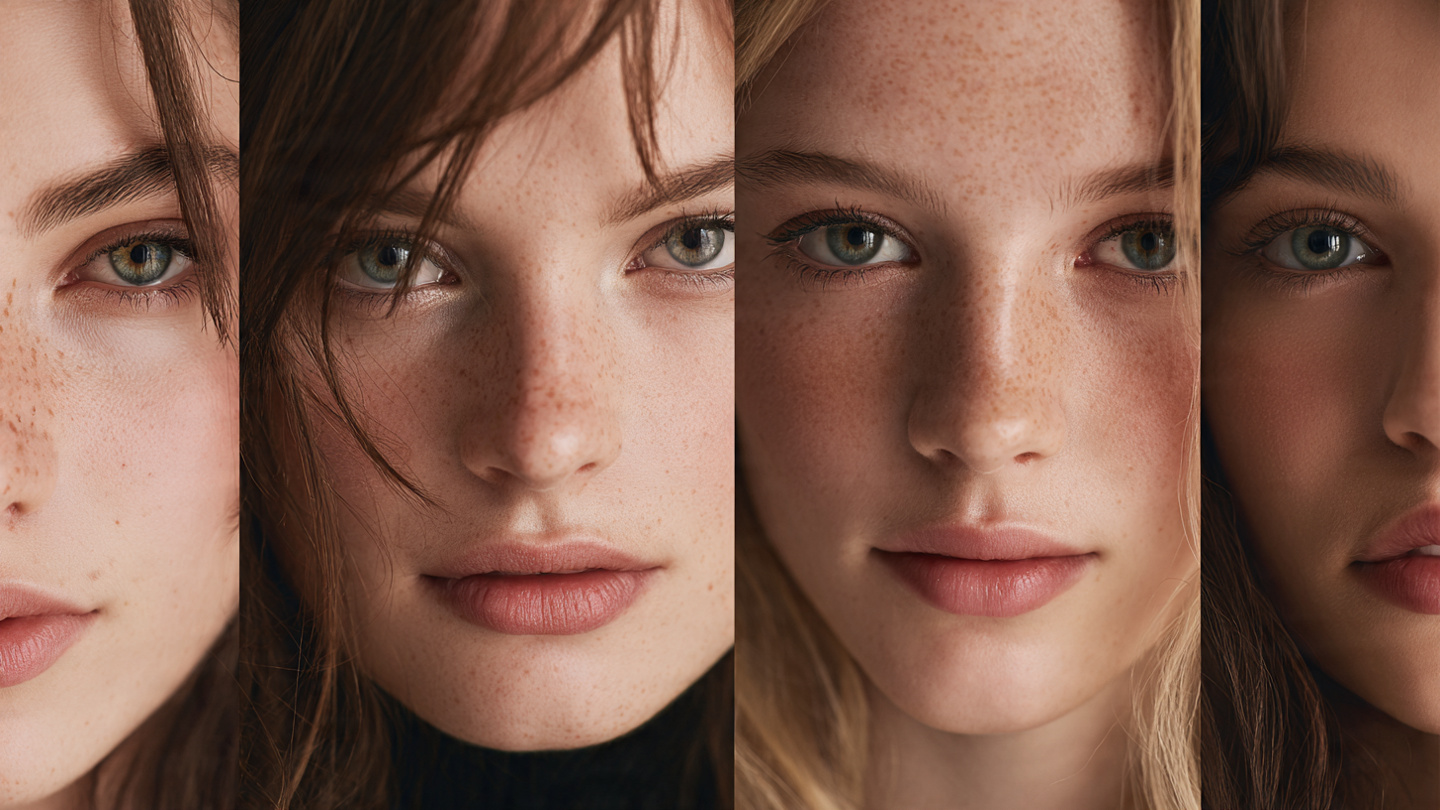

Brows often don’t draw attention until they’re missing or out of balance. A small change in shape or fullness can alter how the entire face is read, sometimes more than eye makeup or lip color ever could. People tend to notice brows not as a feature on their own, but through the way they quietly organize everything around them.
This is because brows sit at a crossroads of expression, structure, and movement. They don’t decorate the face so much as define its boundaries.
Brows Create Visual Structure
Brows form a natural frame for the upper half of the face. They mark where the eyes begin and where the forehead ends, giving the face a sense of proportion.
When brows feel balanced, the face looks grounded. Features appear aligned rather than scattered. Even minimal makeup elsewhere can feel complete when brows provide that structure.
Without this framing, the face can look softer or less defined, even if everything else is in place.
They Guide Where the Eye Looks First
Brows influence where attention lands. Their position and shape subtly direct the viewer’s gaze toward the eyes, which are often the most expressive part of the face.
Well-aligned brows help the eyes feel centered. They prevent attention from drifting upward or outward, keeping the face visually cohesive.
This guidance happens instinctively, without conscious awareness.
Brows Affect Facial Expression
Brows move constantly. They lift, furrow, soften, and tighten with emotion. Because of this movement, they play a major role in how expressions are read.
A relaxed brow can make the face feel open and approachable. A sharper brow shape can create intensity or focus. Even at rest, brows suggest mood.
This expressive quality is one reason brows have such a strong impact on overall appearance.
Balance Matters More Than Boldness
Framing doesn’t require bold brows. It requires balance.
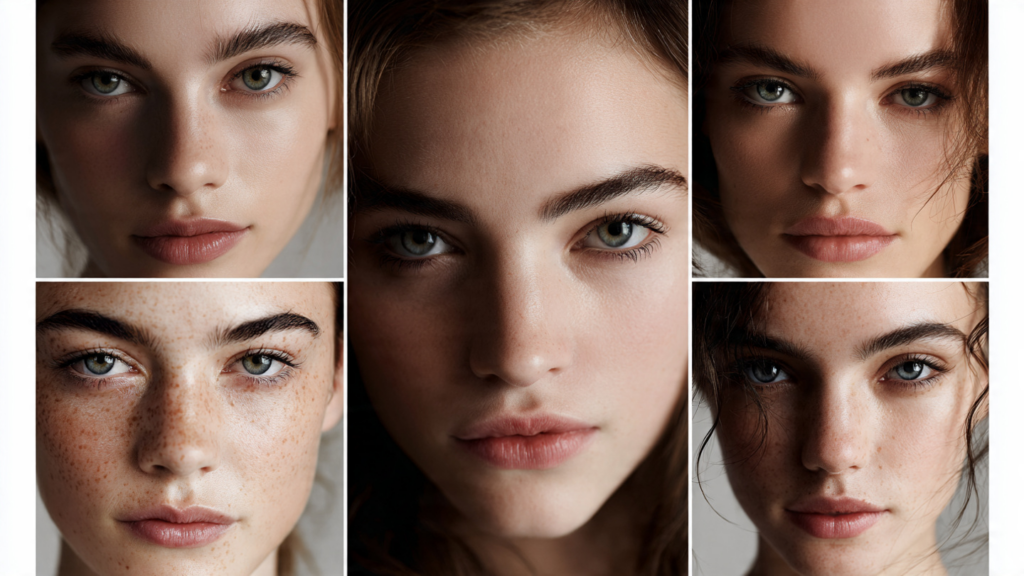
Brows that suit the face’s natural proportions—neither overpowering nor too faint—tend to frame best. When brows feel in harmony with bone structure, the rest of the face settles around them.
Overly strong or overly light brows can pull focus away from other features, disrupting the frame instead of supporting it.
Brows Connect the Eyes to the Rest of the Face
Brows act as a bridge between eyes and forehead, helping the upper face feel continuous rather than segmented.
This connection softens transitions. Eye makeup feels more intentional. The face reads as a whole rather than a collection of parts.
Even with bare skin and no eye makeup, brows can create this sense of connection on their own.
Natural Shape Often Frames Best
Many people notice that brows feel most effective when they follow natural growth patterns. This doesn’t mean leaving them untouched—it means working with their existing direction and placement.
Natural shapes tend to align with bone structure, which is why they frame the face so well. When brows fight against that structure, they can feel disconnected.
Enhancing what’s already there often creates the strongest frame.
Brows Influence Perceived Symmetry
Faces aren’t perfectly symmetrical, but brows help balance asymmetry visually.
Even slight adjustments—filling sparse areas or softening uneven edges—can make the face feel more centered. This balance doesn’t need to be exact to be effective.
Brows create the impression of symmetry, which is often more important than precision.
They Anchor Minimal Makeup Looks
In minimal makeup routines, brows often carry more responsibility. With little else defining the face, brows provide clarity and focus.
A lightly groomed brow can make bare skin look intentional rather than unfinished. It signals presence without effort.
This anchoring effect is why brows are often the one step people keep even when everything else is pared back.
Brows Age and Evolve With the Face
Brows change over time—density, shape, and texture shift gradually. As they do, their framing role becomes even more noticeable.
Many people adjust their brow routines not to follow trends, but to stay aligned with how their face feels now. The goal becomes balance rather than statement.
Framing is about relevance, not perfection.
Why It Matters
Understanding how brows frame the face changes how people approach them. Instead of treating brows as decoration, they’re seen as structure.
This perspective reduces pressure to make brows dramatic or trendy. It encourages choices that support the face rather than compete with it.
Brows matter because they quietly hold everything together.
When the Face Feels Grounded
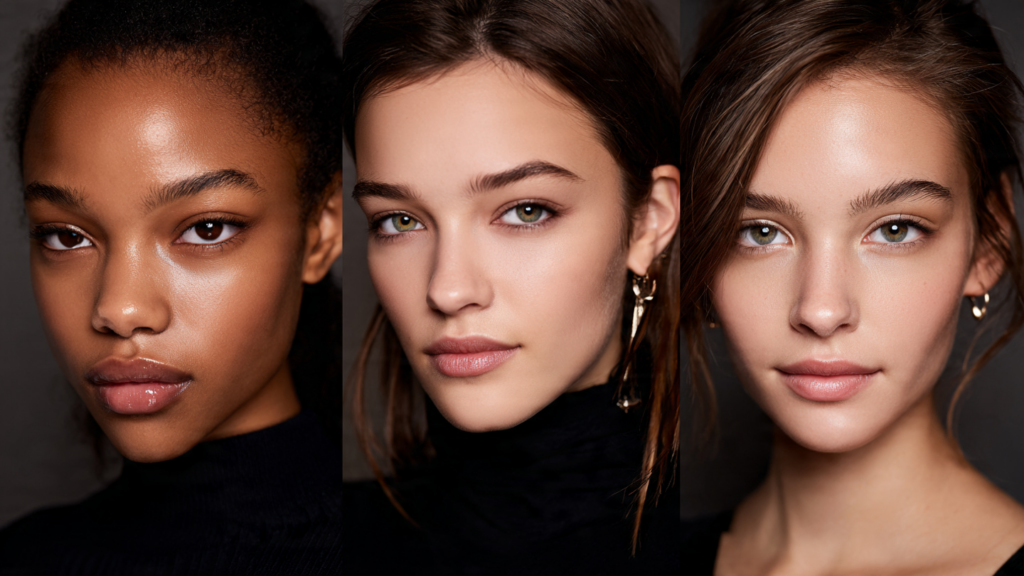
The best-framed faces don’t announce their brows. They simply feel cohesive.
Eyes feel centered. Expression feels clear. The face looks like itself, just steadier.
Brows frame the face when they do their work quietly—supporting, balancing, and allowing everything else to fall into place.
✨ AI Insight:
Many people notice the role of brows when a small change makes their whole face feel suddenly more balanced, even though nothing else looks different.