
There’s a moment many people recognize—not in front of a mirror, but later in the day—when they realize they haven’t thought about their makeup at all. No checking, no adjusting, no awareness of layers on the skin. That quiet absence is often what makes less makeup feel better.
Less makeup isn’t about minimalism as a rule. It’s about ease. It’s the feeling that the face is free to move, react, and exist without being managed. Over time, that feeling starts to matter more than how finished the makeup looks.
Comfort Changes the Entire Experience
One of the first reasons less makeup feels better is physical comfort. Fewer layers mean less weight, less texture, and less sensation throughout the day.
Skin moves naturally. Expressions don’t feel restricted. There’s no tightness building by afternoon or heaviness settling in certain areas. The face feels like itself rather than something being worn.
Comfort isn’t always visible, but it’s immediately felt—and once noticed, it’s hard to ignore.
Less Reduces the Need for Monitoring
Heavier makeup often brings attention with it. Is it creasing? Has it shifted? Does it still look the same as it did earlier?
With less makeup, that mental loop quiets down. There’s less to manage and fewer variables to track. The face doesn’t need constant checking because there’s nothing fragile about it.
This mental ease is a large part of why less makeup feels better. It gives attention back to the day.
Skin Texture Is Allowed to Exist
When makeup is layered heavily, texture can feel like something to fight. Lines, pores, and movement become things to correct or conceal.
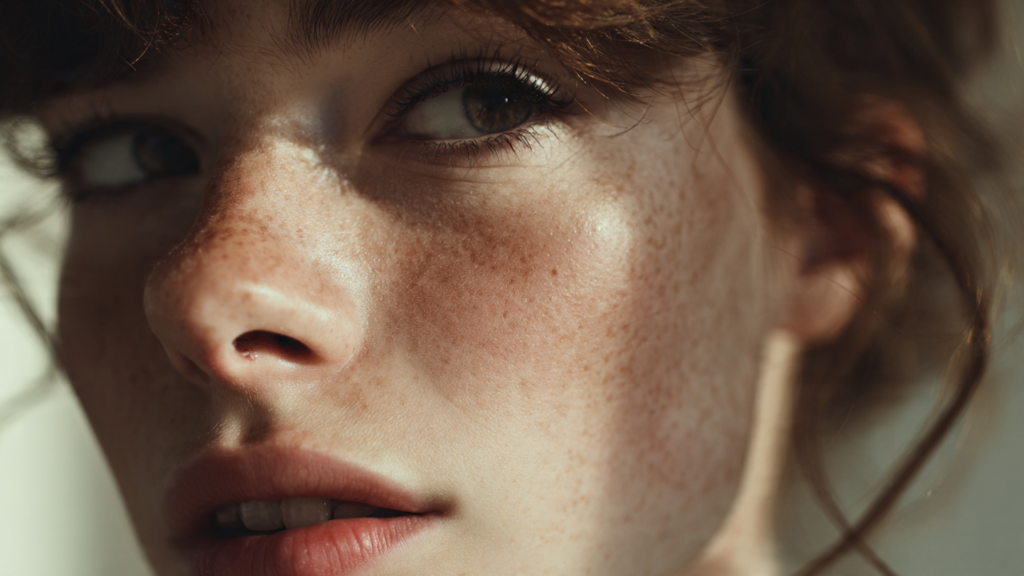
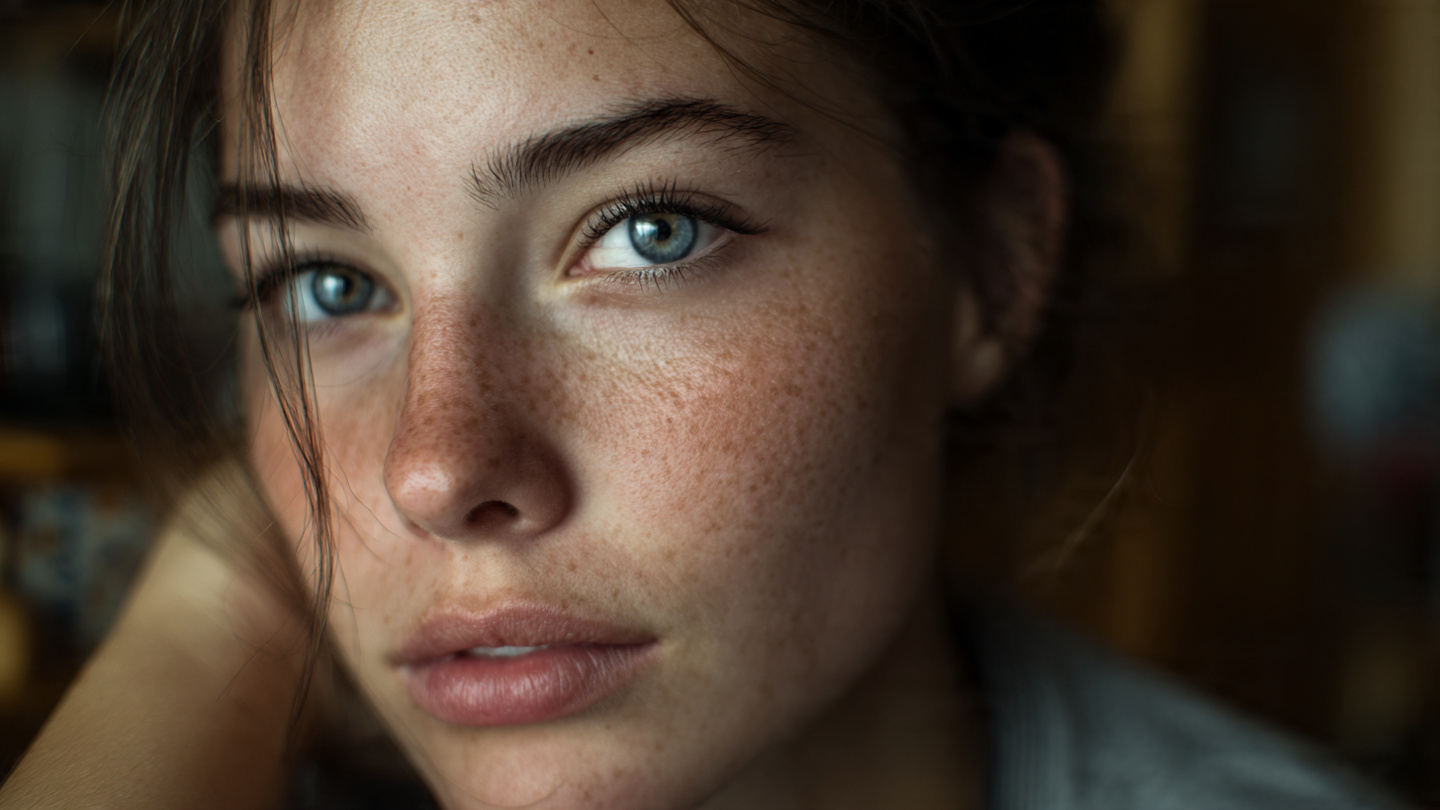
Less makeup changes that relationship. Texture is present, but it’s not emphasized or resisted. Skin looks like skin—alive, moving, and varied.
Allowing texture to exist often feels more honest and less tiring than trying to smooth everything away.
Expression Feels More Natural
Faces are expressive by nature. They shift constantly with emotion, conversation, and thought.
Less makeup tends to move with expression rather than against it. Smiling doesn’t feel like it disrupts anything. Talking doesn’t draw attention to certain areas. The face responds freely.
That freedom often makes people feel more like themselves, which subtly affects confidence and presence.
The Face Feels Balanced, Not Built
Heavy makeup can sometimes feel constructed—carefully assembled, precise, and held together by effort. There’s nothing wrong with that, but it does require maintenance.
Less makeup often feels balanced instead. Nothing stands out too sharply. Features relate to one another without needing strong contrast or definition.
The face feels complete without feeling assembled, which can be emotionally grounding.
Less Makeup Ages More Gently Through the Day
Time affects makeup. Products settle, fade, and interact with the skin’s natural oils.
With fewer layers, makeup tends to age more gracefully. There’s less to break apart and fewer edges to soften. What’s there simply becomes quieter.
This gentle wear makes the day feel easier. The face looks similar hour to hour, which builds trust in the routine.
It Reduces the Pressure to Perform
Makeup can sometimes feel performative—done for a certain look, expectation, or standard. More makeup can heighten that feeling.
Less makeup often removes that pressure. The face doesn’t feel like it’s presenting something. It just exists.
This shift can be subtle but powerful. When appearance feels less like a performance, comfort tends to increase.
Confidence Becomes Internal, Not Visual
Heavier makeup can create confidence through polish and control. Less makeup often creates confidence through familiarity.
The face looks like the one seen every day, just slightly supported. There’s no sense of hiding behind products or needing them to feel presentable.
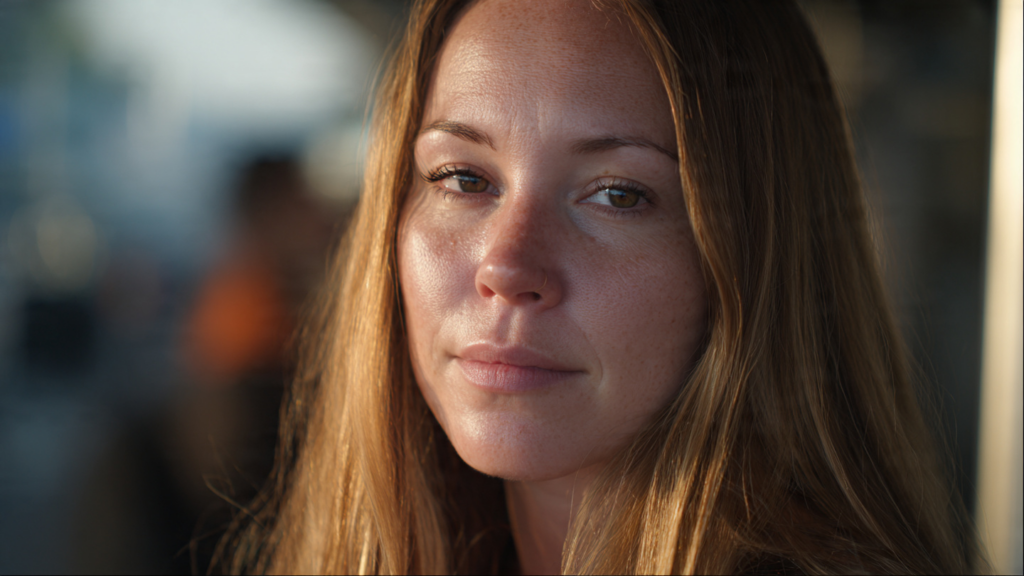
That kind of confidence feels steadier. It doesn’t depend on perfect application or lighting.
Routines Become Faster and Kinder
Less makeup usually means simpler routines. Fewer steps. Less precision. Less time spent trying to get things exactly right.
This simplicity can change how mornings feel. Getting ready becomes less about correction and more about preparation for the day.
Kindness toward time and energy is one of the quiet benefits of wearing less makeup.
It Allows Makeup to Enhance, Not Dominate
With fewer products, each one has space to matter. A touch of blush feels intentional. A light base feels supportive rather than concealing.
Makeup enhances what’s already there instead of competing with it. Features feel clearer, not replaced.
Less makeup doesn’t remove impact—it refines it.
Why It Matters
Understanding why less makeup often feels better helps shift how beauty is approached. It reframes makeup as something that can support comfort, not just appearance.
This perspective reduces pressure to do more. It allows people to choose routines that fit their lives rather than ideals.
When makeup feels better, it becomes easier to wear—and easier to let go of.
When the Face Feels Like Home Again
Less makeup doesn’t mean no makeup. It means enough.
Enough to feel awake. Enough to feel balanced. Enough to feel like yourself without effort.
Often, the moment people realize less feels better is when they stop noticing their makeup—and start noticing how free their face feels instead.
✨ AI Insight:
Many people realize less makeup feels better when their face stops feeling like something they’re wearing and starts feeling like something they’ve returned to.