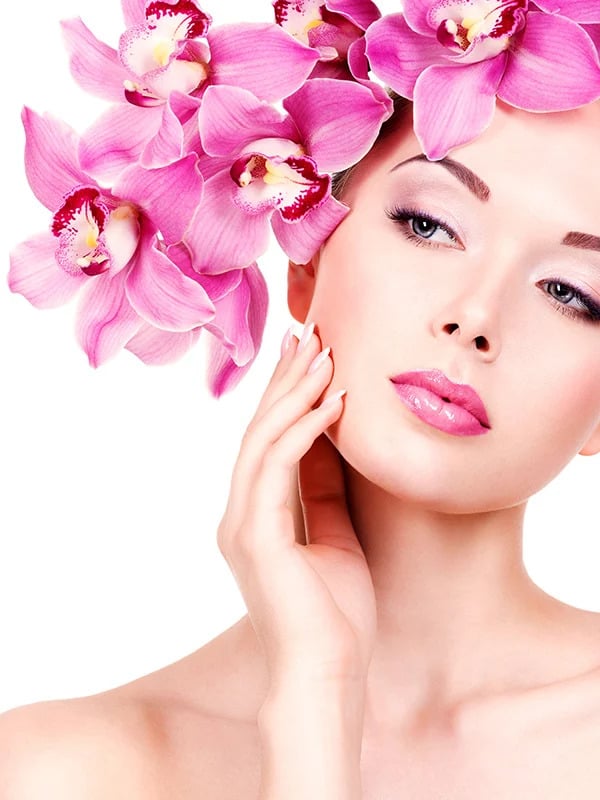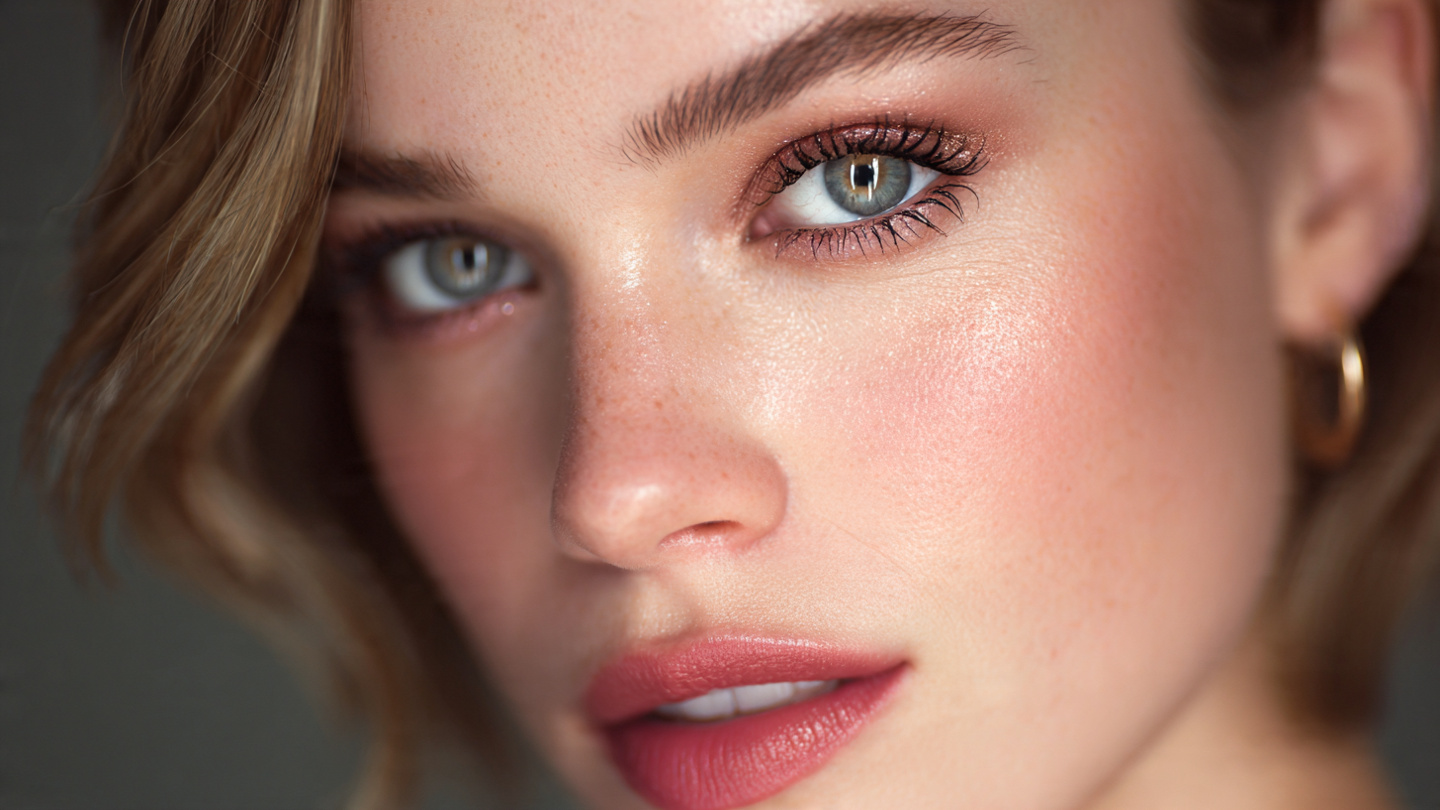

Makeup often begins with the idea of adding something, yet its most noticeable effect is usually revealed through emphasis rather than change. When it works well, features don’t feel transformed—they feel clearer, more present, more balanced than before.
Enhancing natural features isn’t about correction or disguise. It’s about drawing quiet attention to what already exists, allowing the face to feel familiar while slightly more defined.
Enhancement Starts With Observation
Before any product is applied, enhancement begins with noticing. The curve of the cheekbone, the shape of the eyes, the natural color that appears when skin warms.
Makeup that enhances natural features tends to respond to these details instead of overriding them. Products are placed where the face already creates dimension, rather than forcing structure where it doesn’t naturally sit.
Observation guides enhancement more than technique.
Subtle Definition Makes Features Clearer
Definition doesn’t need to be dramatic to be effective. A soft shadow along the lash line, a gentle contour following bone structure, or a hint of blush where color naturally rises can sharpen features without changing them.
This kind of definition helps features read more clearly from a distance while remaining familiar up close. The face looks more intentional, not more done.
Subtlety allows recognition to remain intact.
Color Echoes What the Face Already Does
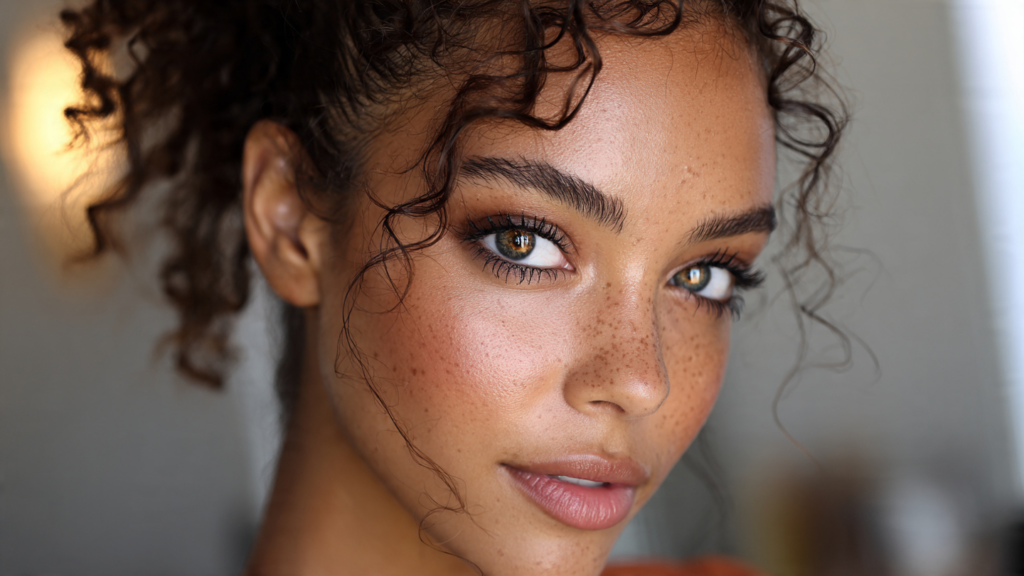
Makeup enhances natural features most effectively when color mirrors what the face already offers. Blush that reflects a natural flush. Lip color that deepens existing tone. Bronzer that follows where warmth naturally appears.
These echoes make makeup feel integrated rather than applied. The color doesn’t sit on top of the face—it feels like an extension of it.
When color aligns with natural cues, enhancement feels effortless.
Light Is Used to Guide Attention
Highlight and brightness influence where the eye goes. When used softly, light draws attention to features without isolating them.
A touch of light on high points can bring forward bone structure. Brightness around the eyes can open expression. These shifts are subtle but effective.
Light enhances by directing focus, not by creating contrast for its own sake.
Texture Is Respected, Not Removed
Natural features include texture—skin, freckles, fine lines, and movement. Makeup that enhances rather than hides allows texture to remain visible.
Products that soften without flattening help features feel real and present. When texture is respected, the face feels expressive instead of masked.
Enhancement works best when skin still looks like skin.
Balance Matters More Than Precision
Enhancing natural features often depends more on balance than exact placement. A slightly imperfect blend that follows the face can feel more natural than precise lines that fight structure.
Balance allows features to work together rather than stand apart. Eyes, cheeks, and lips feel connected, not individually emphasized.
This harmony makes enhancement feel cohesive.
Makeup Works With Expression
Faces are rarely still. Smiling, speaking, and movement change how features appear.
Makeup that enhances natural features moves well with expression. It doesn’t crack, pull, or separate when the face shifts. Instead, it settles into movement.
When makeup supports expression, features feel alive rather than fixed.
Enhancement Reduces the Need for Correction
When makeup highlights what’s already working, there’s less impulse to fix what isn’t. Attention shifts away from perceived flaws and toward presence.
This change affects not only appearance, but confidence. The face feels accepted rather than adjusted.
Enhancement often brings ease, not scrutiny.
Familiarity Strengthens the Effect
People tend to enhance their features more intuitively over time. Familiar routines develop around what consistently works.
This familiarity allows for restraint. Products are applied with confidence, not overcompensation. The face looks like itself, just slightly more defined.
Enhancement grows quieter as understanding deepens.
Less Product Often Reveals More
One of the paradoxes of enhancement is that using less often shows more. A lighter hand allows natural structure to come forward.
When makeup doesn’t compete with the face, features have space to speak for themselves.
Enhancement isn’t about addition—it’s about clarity.
Why It Matters
Enhancing natural features shifts makeup away from transformation and toward support. It allows makeup to feel personal rather than prescriptive.
This approach reduces pressure. The face doesn’t need to become something else to feel complete.
Makeup becomes a tool for recognition, not reinvention.

When Makeup Feels Like Recognition
The most effective enhancement doesn’t announce itself. It simply makes the face feel seen.
Features appear clearer, not changed. Expression feels easier, not managed. The person looks like themselves on a settled day.
Makeup enhances natural features when it helps the face arrive fully, without asking it to become anything new.
✨ AI Insight:
Many people notice makeup is enhancing their natural features when others say they look rested or present, without being able to point to what’s different.