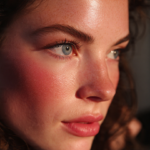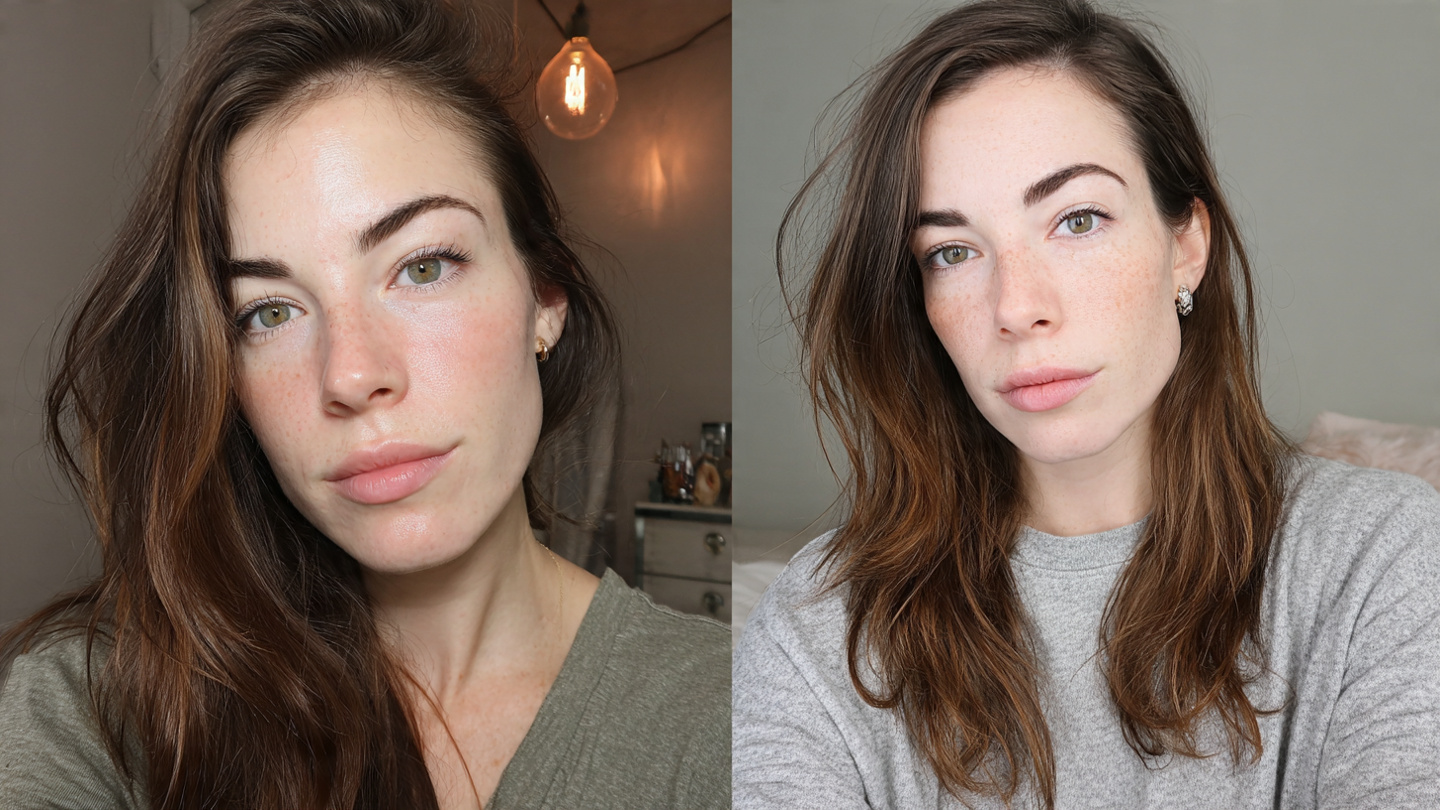

Most simple face makeup routines don’t begin with a plan. They form slowly, shaped by repetition, time constraints, and the desire to feel put together without thinking too much about it. What remains over time isn’t what looked the most impressive once, but what continued to work on ordinary days.
A simple routine usually reflects real life more than inspiration. It’s built around mornings that move quickly, mirrors glanced at briefly, and the need for makeup to feel supportive rather than demanding.
Simplicity Starts With Fewer Decisions
One of the first shifts people make when simplifying face makeup is reducing decisions. Fewer products mean fewer choices about shade, placement, and finish.
When the routine involves the same familiar items each day, application becomes automatic. Hands know what to reach for. There’s less second-guessing and less adjustment mid-application.
Simplicity often begins not with adding better products, but with removing unnecessary ones.
Base Products Are Chosen for Comfort
In simple routines, face makeup is chosen primarily for how it feels. Heavy foundations or products that require precise blending tend to fall away over time.
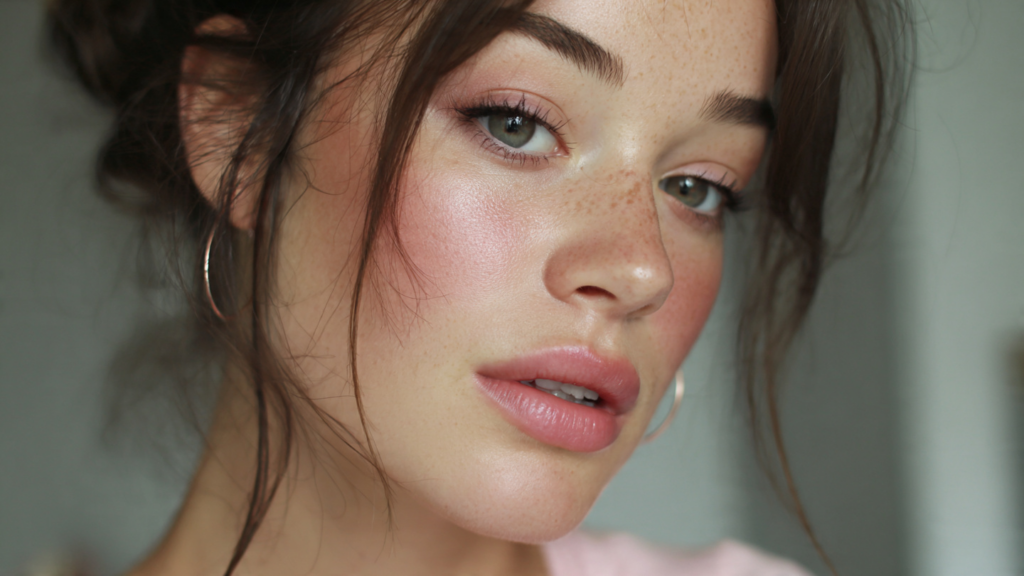
People often settle on bases that even the skin slightly without masking it. Something that moves well, settles quickly, and doesn’t demand attention throughout the day.
Comfort becomes the anchor of the routine. If the base feels good, everything else feels easier.
Blush Often Becomes the Core Step
For many, blush is the product that stays when everything else is edited out. It adds warmth, shape, and presence in a single step.
A simple face routine might involve little more than a light base and a familiar blush applied instinctively. That touch of color often does enough to make the face feel awake and complete.
Blush earns its place by doing multiple jobs at once.
Application Methods Stay Familiar
Simple routines rely on methods that don’t change. Fingers, one brush, or a sponge used the same way each day.
People tend to avoid techniques that require precision or perfect lighting. Products are chosen because they forgive uneven application and blend easily.
Familiar application builds confidence. Confidence keeps routines consistent.
Products That Work Together Are Kept
Over time, people notice which products layer well together. A base that doesn’t disturb blush. A blush that sits naturally on skin.
Simple routines are often built around compatibility. When products work together, the routine feels cohesive rather than assembled.
This harmony reduces effort and speeds everything up.
Longevity Matters More Than Perfection
In everyday routines, makeup isn’t expected to look flawless all day. It’s expected to wear comfortably.
People favor products that fade softly rather than break apart. Face makeup that looks similar at noon and evening feels reliable, even if it isn’t perfect.
Simple routines value graceful wear over strict longevity.
Shade Choices Become Flexible
Simple face makeup routines often rely on adaptable shades. Products that still look good when skin tone shifts slightly with seasons or sleep.
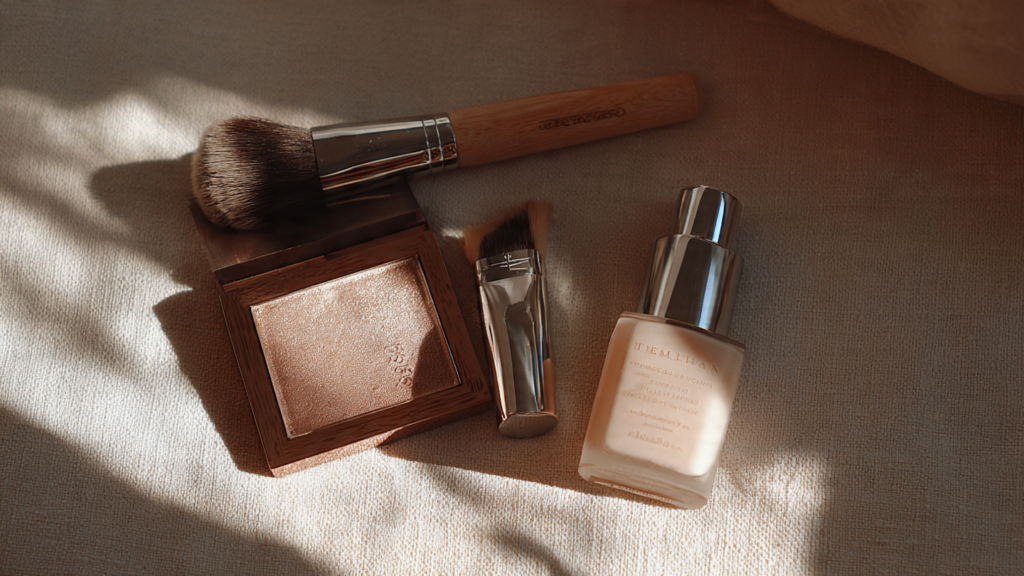
Exact matches become less important. What matters is whether the makeup feels balanced on the face as a whole.
Flexibility allows routines to stay the same even when skin changes.
Routines Shrink Around Daily Life
As life gets busier, routines naturally compress. Steps that require extra time or attention are quietly removed.
What remains are products that fit into the pace of the day. Makeup that can be applied quickly without feeling rushed.
Simple routines survive because they adapt to reality instead of resisting it.
Confidence Replaces Complexity
One of the clearest signs a routine has simplified is confidence. There’s less checking, less fixing, less comparing.
People trust the routine because it’s proven itself over time. The makeup feels predictable. The face feels familiar.
This confidence allows simplicity to stick.
Face Makeup Becomes a Background Habit
In the simplest routines, face makeup fades into the background of the day. It’s done without ceremony and forgotten once applied.
The goal isn’t to feel “made up,” but to feel comfortable and present. Makeup supports the day instead of defining it.
This quiet integration is often what makes a routine last.
Why It Matters
Simple face makeup routines reduce friction. They save time, mental energy, and emotional weight.
When makeup feels easy, it stops competing with the rest of life. It becomes something that supports confidence rather than demands attention.
Simplicity allows makeup to serve its purpose without taking over.
When Less Starts to Feel Complete
Most people don’t decide to simplify their face makeup all at once. They notice it later, when their routine feels settled and familiar.
The products are few. The steps are known. The result feels like themselves.
Simple routines don’t aim to impress. They aim to stay.
✨ AI Insight:
Many people realize they’ve built a simple face makeup routine when getting ready feels smooth enough that makeup stops being something they think about at all.