
A foundation choice can change how a face reads before anything else is noticed. Even when the rest of the makeup stays the same, switching the base often shifts the entire impression—sometimes subtly, sometimes in ways that are felt more than seen.
This is because foundation doesn’t sit on its own. It interacts with skin texture, light, movement, and expression. Over time, people begin to recognize that the overall look isn’t shaped by how much coverage is used, but by how well the foundation works with the skin underneath.
Foundation Sets the Visual Tone of the Face
Before blush, bronzer, or highlighter come into play, foundation establishes the tone of the face. Matte finishes tend to create a more structured, polished look, while softer or natural finishes allow features to feel more relaxed.
This doesn’t mean one is better than the other. It means foundation quietly decides whether the face feels sharp or gentle, formal or casual. The same makeup steps layered on top can read very differently depending on this base.
Foundation becomes the backdrop against which everything else is seen.
Coverage Changes Focus, Not Just Skin
Coverage level influences where attention goes. Higher coverage often draws focus to shape and contour, while lighter coverage keeps attention on natural features and movement.
When coverage is heavy, the eye tends to notice symmetry and finish. When coverage is light, expression and texture become part of the look. Neither approach is wrong, but each tells a different visual story.
People often notice that changing coverage changes how “done” or “natural” they feel, even if no other makeup changes.
Texture Determines How Makeup Sits
Foundation texture affects how the rest of the makeup behaves. A base that sits smoothly allows blush and bronzer to blend easily, creating a seamless look. A base that clings or dries unevenly can make other products feel harder to control.
Over time, people learn that foundation doesn’t just cover skin—it creates the surface everything else relies on. When that surface feels stable, the entire look appears more cohesive.
Texture often matters more than shade in determining how finished the makeup feels.
Finish Influences Light and Dimension
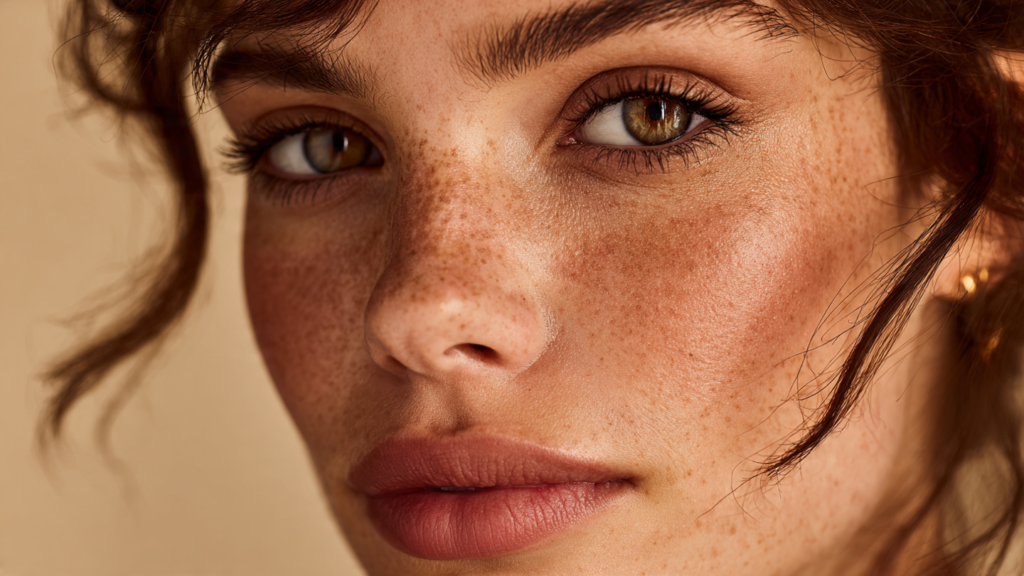
The way foundation reflects light plays a major role in overall appearance. Matte finishes absorb light, creating a flatter, more uniform effect. Radiant or satin finishes reflect light, adding softness and dimension.
This interaction with light affects how features are perceived. Cheekbones may look sharper or softer. Skin may appear closer or more diffused.
Foundation choices quietly shape how the face interacts with its environment, not just how it looks in a mirror.
Shade Choices Affect Balance and Harmony
A foundation shade doesn’t need to be exact to work, but it does influence balance. Shades that are too warm or too cool can subtly change how the face relates to the neck, hair, and clothing.
When the shade feels harmonious, the face looks settled within the rest of the body. When it’s off, even slightly, makeup can feel separate from the person wearing it.
Many people notice that the right shade doesn’t stand out—it simply disappears into the overall look.
Foundation Alters the Perception of Skin Texture
Different foundations interact with texture in different ways. Some soften the appearance of pores and uneven areas, while others make texture more visible.
This visibility isn’t always negative. Texture can make makeup feel more real and less mask-like. The key difference is whether texture looks emphasized or simply present.
Foundation choices often determine whether skin looks smoothed, natural, or overworked.
Longevity Shapes How the Look Ages
How foundation wears over time affects the overall impression just as much as initial application. Some foundations fade softly, maintaining balance throughout the day. Others break apart unevenly, changing how the makeup looks hour by hour.
People often learn to value how foundation ages rather than how it looks in the first few minutes. A base that wears gracefully supports the entire look longer.
Longevity isn’t about perfection—it’s about consistency.
Foundation Influences Confidence and Ease
Beyond visuals, foundation choices affect how people feel in their makeup. A foundation that feels heavy or unpredictable can make someone more aware of their face throughout the day.
When the foundation feels comfortable and reliable, attention shifts outward. The makeup stops being monitored and starts being lived in.
This ease often changes posture, expression, and presence—subtly influencing the overall look in ways no product claim can measure.
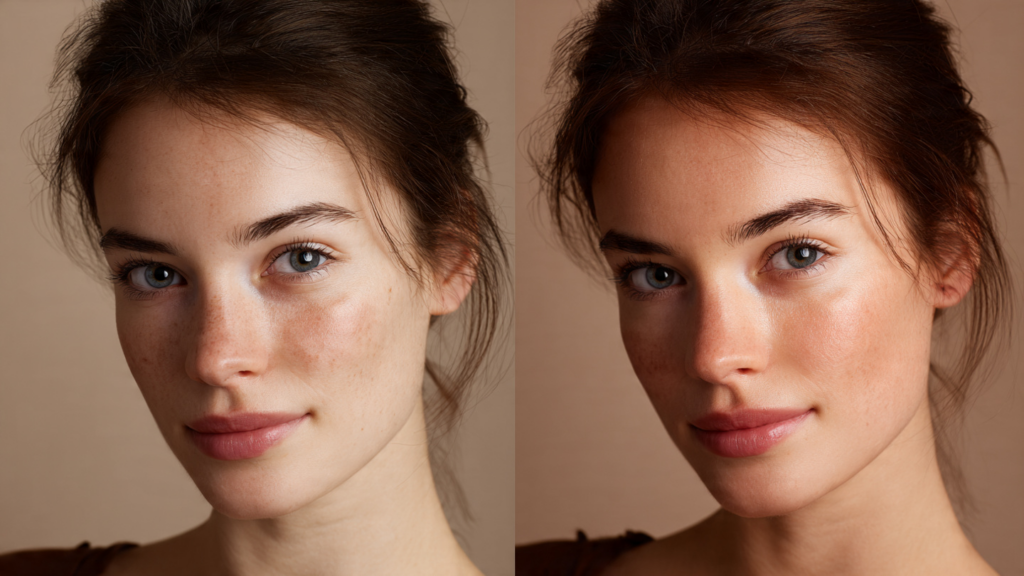
Different Foundations Serve Different Versions of the Same Person
Many people eventually realize there’s no single “right” foundation. Different foundations support different moods, environments, and needs.
A lightweight base may feel right for everyday life, while a more structured foundation suits moments that call for definition. The overall look shifts not because the person changes, but because the context does.
Foundation choices allow makeup to adapt rather than define identity.
Why It Matters
Foundation plays a larger role than it’s often given credit for. It doesn’t just cover—it sets the tone for how makeup is read, how skin feels, and how confident the wearer feels throughout the day.
Understanding this helps people make choices that support their routines rather than complicate them. The right foundation doesn’t demand attention—it creates balance.
When the base works, everything else feels easier.
When the Base Supports the Whole Look
The most successful foundation choices often go unnoticed. They don’t call attention to themselves or compete with features.
Instead, they allow the face to feel cohesive, comfortable, and complete. Makeup sits better. Expression feels natural. The look holds together across time and light.
Foundation works best when it quietly supports the entire picture.
✨ AI Insight:
Many people realize how much foundation affects their overall look when changing it makes everything else—blush, eyes, even confidence—feel subtly different without adding anything new.