
At first, skincare often feels like a series of short-term efforts. A product is used, a change is watched for, and results are expected quickly. Over time, though, something different begins to happen. The focus shifts from immediate outcomes to quieter observations that only become visible through repetition.
Long-term skincare doesn’t announce itself with dramatic moments. It reveals itself slowly, through patterns people begin to recognize rather than changes they can point to right away.
Skin Feels More Predictable Than Perfect
One of the first things people tend to notice with long-term skincare is predictability. Skin may still have breakouts, texture, or dry periods, but these changes stop feeling random.
Instead of sudden surprises, patterns emerge. Certain seasons affect the skin in familiar ways. Stress shows up consistently. Recovery follows a recognizable timeline. This predictability often feels more reassuring than flawless skin ever could.
Skin becomes something understood, not constantly questioned.
Reactions Become Less Intense Over Time
With steady routines, many people notice that their skin reacts less dramatically. Redness doesn’t linger as long. Sensitivity feels milder. Texture doesn’t fluctuate as sharply from one day to the next.
These changes are subtle. They don’t always show up clearly in photos or mirrors, but they’re felt in daily experience. Cleansing feels gentler. Products feel more compatible.
Long-term care often reduces extremes rather than eliminating concerns.
Comfort Lasts Longer Throughout the Day
Another common observation is how skin feels across the day. In the early stages of skincare, comfort may come and go—skin feels fine after application but unsettled by evening.
Over time, that comfort tends to last longer. Tightness appears less often. Dryness doesn’t return as quickly. The skin feels supported from morning through night.
This sustained comfort often becomes one of the most valued outcomes of long-term care.
Texture Feels Less Confrontational
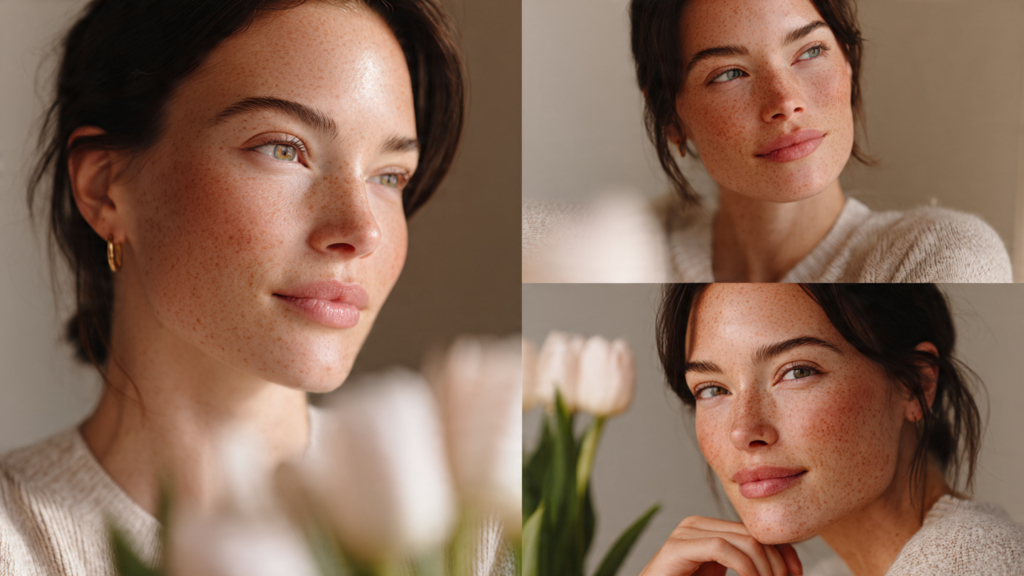
Texture rarely disappears completely, but with long-term skincare, it often feels less prominent. Bumps, pores, or uneven areas still exist, but they don’t dominate attention.
Skin looks less inflamed around textured areas. The surface feels calmer to the touch. Texture becomes part of the skin rather than something standing apart from it.
Many people notice that texture stops feeling like a problem and starts feeling like a characteristic.
Skin Recovers More Easily
Recovery is one of the clearest long-term changes people notice. After environmental exposure, stress, or routine disruptions, skin settles more quickly than it once did.
Redness fades faster. Sensitivity resolves sooner. The skin doesn’t hold onto imbalance as long. This resilience is often gradual, building quietly through consistent care.
Recovery becomes a more meaningful marker than visible transformation.
Less Urgency Around Small Changes
With time, long-term skincare changes how people respond emotionally to their skin. Small changes no longer trigger immediate adjustments.
A breakout doesn’t feel like a setback. A dry patch doesn’t require an overhaul. There’s more patience and less urgency to intervene.
This emotional steadiness is often as noticeable as physical changes.
Routines Start to Feel Automatic
Another thing people notice is how little thought their routines require. Steps become familiar. Movements are repeated without hesitation.
Skincare stops feeling like a project and starts feeling like maintenance. The routine exists, but it doesn’t demand attention.
This ease often signals that skincare has integrated into daily life.
Skin Draws Less Attention Overall
As long-term care settles in, skin often fades into the background. There’s less mirror-checking, less touching, less mental monitoring throughout the day.
Skin still exists, still changes, but it doesn’t dominate awareness. Attention shifts outward—to conversations, work, and experiences.
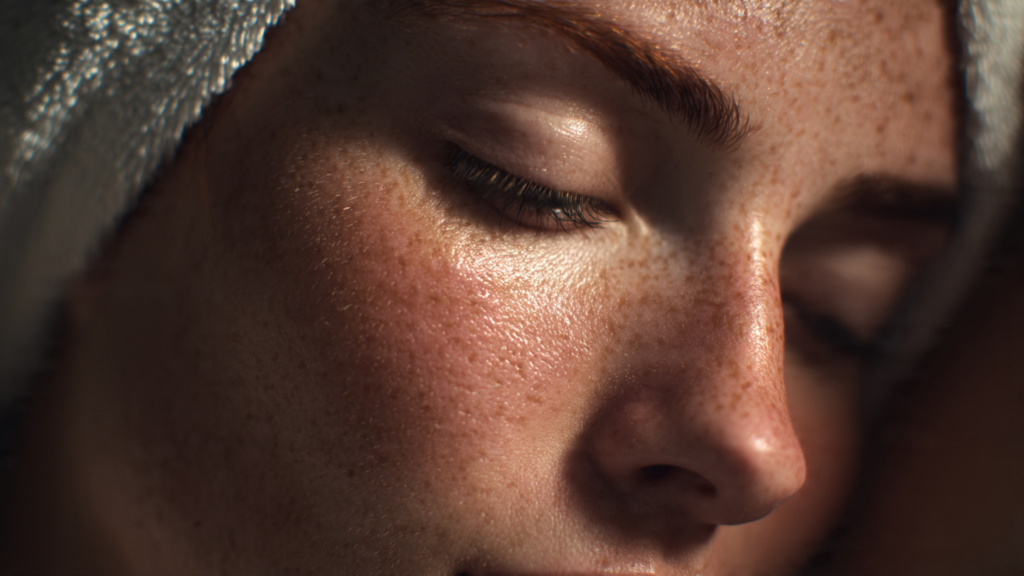
This shift is subtle, but many people recognize it as a sign that skincare is working.
Expectations Become More Realistic
Long-term skincare often reshapes expectations. People stop looking for dramatic shifts and start valuing stability.
Skin isn’t expected to stay the same every day. Change becomes normal rather than alarming. Care feels supportive rather than corrective.
This realism tends to make the entire process feel lighter.
Why It Matters
What people notice with long-term skincare goes beyond appearance. It affects confidence, patience, and how much emotional weight skin carries.
When care is consistent over time, skin feels more manageable. The relationship with skincare becomes steadier, less reactive, and less demanding.
Long-term effects aren’t about perfection—they’re about ease.
A Relationship Built Through Time
Long-term skincare teaches through repetition. It shows what the skin tolerates, what it prefers, and how it responds when left undisturbed.
Over time, care becomes quieter. The focus shifts from fixing to supporting. Skin still changes, but those changes feel easier to live with.
What remains is a sense of familiarity—one built slowly, through patience rather than urgency.
✨ AI Insight:
People often realize long-term skincare has made a difference when their skin feels familiar enough that small changes no longer feel disruptive.