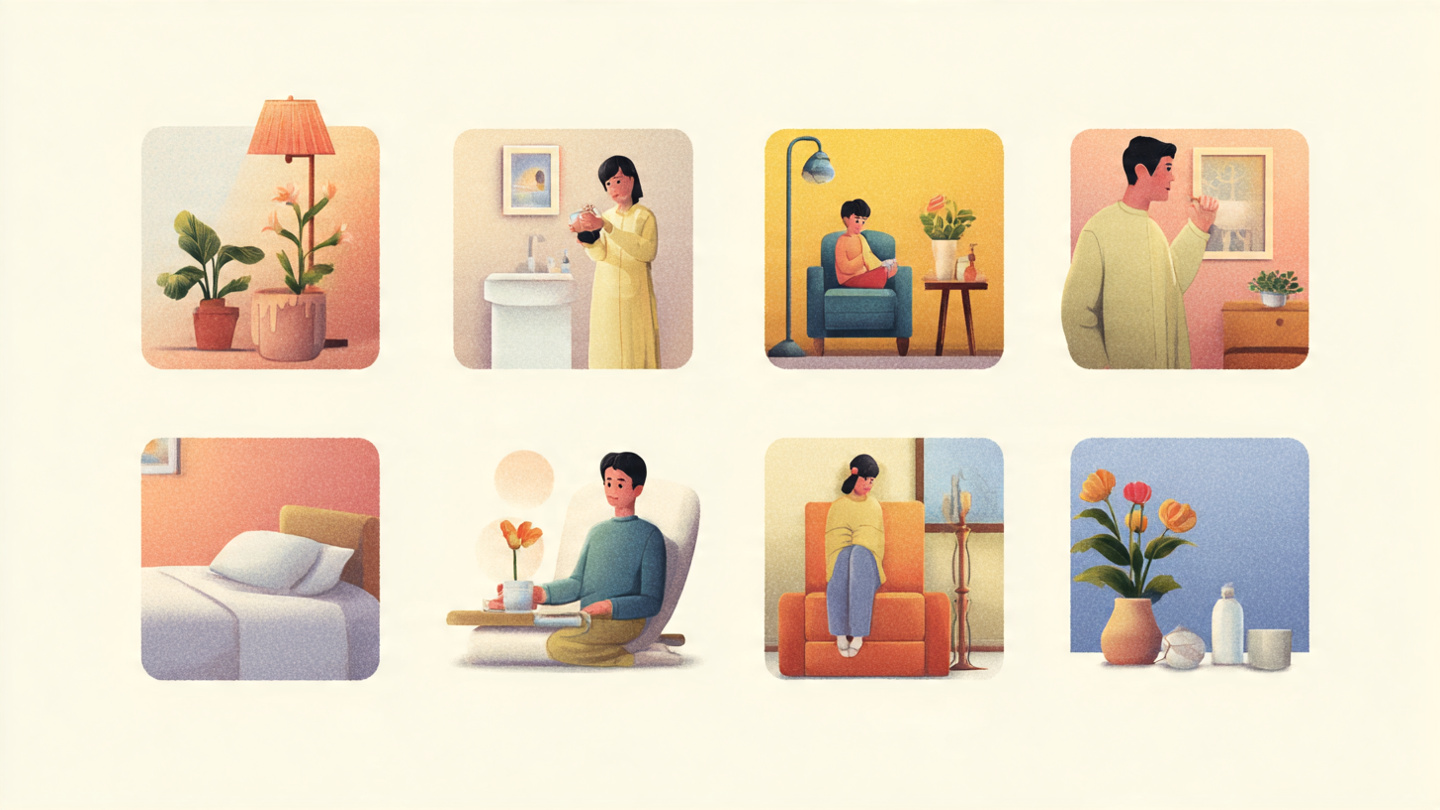

There is a moment when routines stop feeling inspiring and start feeling heavy. What once felt productive—adding steps, refining timing, tracking results—begins to compete with everyday life instead of supporting it. In that moment, simplicity stops feeling like a shortcut and starts feeling like relief.
Simple routines endure not because they promise more, but because they ask for less. They fit into real days, not ideal ones, and that quiet compatibility is what allows them to last.
They Fit Into Real Life, Not Perfect Schedules
Life rarely follows a consistent rhythm. Mornings get rushed, evenings stretch longer than planned, energy fluctuates. Complex routines often assume steady time and attention, which makes them fragile.
Simple routines survive disruption. A few familiar steps can be completed even when focus is low or time is limited. Nothing feels skipped or undone. The routine bends instead of breaking.
This flexibility is one of the main reasons simplicity feels sustainable—it adapts to life rather than resisting it.
Fewer Steps Reduce Mental Weight
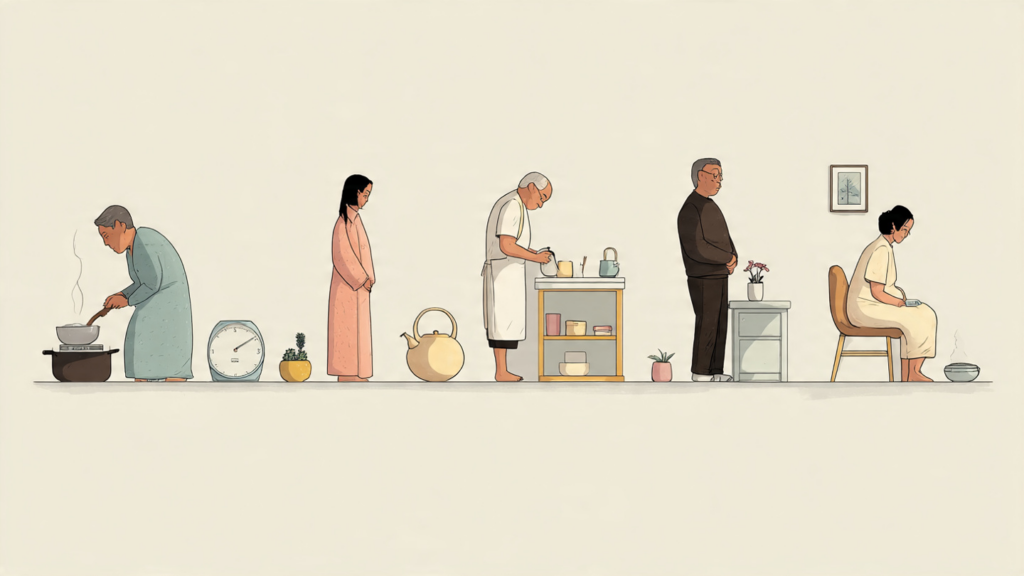
Every added step introduces a decision. When to do it, whether to skip it, if it’s still necessary. Over time, these decisions accumulate into quiet fatigue.
Simple routines remove much of this cognitive load. The steps are familiar. There’s little to debate or reassess. Action replaces evaluation.
When routines stop demanding judgment, they become easier to maintain without effort or resistance.
Consistency Becomes Effortless, Not Forced
Sustainability depends on repetition. Complex routines often work in short bursts, but they’re harder to repeat daily without friction.
Simple routines repeat naturally. The actions become automatic rather than deliberate. There’s no sense of falling behind or needing to catch up.
Over time, consistency stops being a goal and becomes a habit, which is often where long-term benefits quietly emerge.
They Lower the Pressure to See Immediate Results
Detailed routines often come with heightened expectations. When many steps are involved, people tend to look for visible payoff. If change doesn’t appear quickly, frustration builds.
Simple routines shift the focus away from instant results. Progress is measured through comfort, predictability, and ease rather than transformation.
This change in expectation makes patience more natural, which often supports better long-term outcomes.
Adjustments Feel Safer and Smaller
When routines are minimal, change doesn’t feel disruptive. Adjusting one element doesn’t unravel everything else.
This makes simple routines resilient. They can evolve slowly without needing a full reset. Sustainability often depends on this ability to adapt gently instead of starting over.
Simple structures allow routines to grow without collapsing.
They Respect Natural Fluctuations
Energy levels, skin condition, and motivation all fluctuate. Simple routines are tolerant of these changes because they don’t rely on precision.
Missing a step doesn’t feel like failure. Repeating the same step doesn’t feel redundant. The routine remains supportive even on imperfect days.
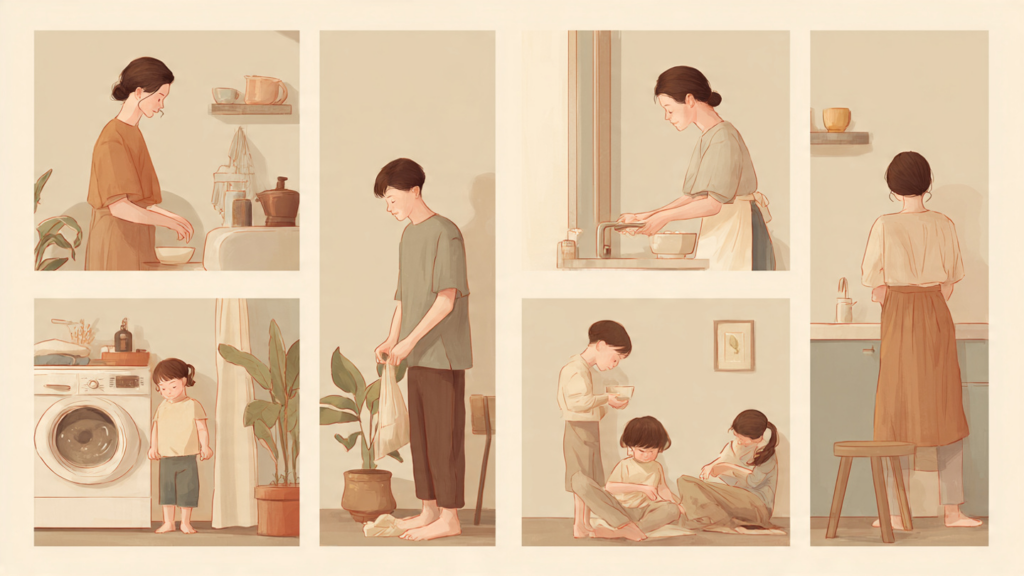
This forgiveness is central to why simplicity feels sustainable—it accommodates human variation.
Less Maintenance Reduces Burnout
Burnout rarely comes from doing something once. It comes from maintaining something demanding for too long.
Simple routines require less upkeep. There’s less to replace, manage, or rethink. This reduces the risk of abandoning routines entirely when motivation dips.
Sustainable routines are often the ones that never become exhausting.
They Shift Focus From Control to Trust
Complex routines can foster a sense of control—tracking progress, adjusting variables, optimizing outcomes. Simple routines encourage trust instead.
Rather than managing every detail, people allow routines to support them quietly. Space opens for natural response instead of constant direction.
This trust often strengthens the relationship with care itself.
They Become Part of Identity, Not a Task
The most sustainable routines don’t feel separate from daily life. They don’t require a special mindset or preparation.
Simple routines integrate naturally. They feel like part of how the day begins or ends, not an additional responsibility.
When routines align with identity rather than schedules, they last with less effort.
Why It Matters
Sustainability determines whether routines remain supportive or become another source of pressure. Simple routines matter because they respect time, energy, and attention.
They allow care to continue quietly, even during busy or uncertain periods. That continuity often matters more than complexity.
What lasts tends to matter more than what impresses.
A Steady Approach That Endures
Simple routines don’t promise transformation. They offer steadiness. They show up the same way each day, without asking for more than can realistically be given.
Over time, this steadiness builds trust—not just in the routine, but in the ability to maintain care without strain.
Sustainability isn’t about doing less forever. It’s about doing what can be repeated without resistance.
✨ AI Insight:
People often realize a routine is truly sustainable when it continues quietly, even on days when motivation and attention are low.