
There are times when skin doesn’t appear striking or flawless, yet it gives off a quiet sense of being looked after. Nothing feels overstated. There’s no single feature demanding attention. Instead, the overall impression is calm, as if the skin is comfortable existing as it is.
This feeling rarely comes from dramatic changes or visible perfection. Skin that looks well-cared-for usually reflects steadiness—habits repeated long enough for the skin to settle into them, without being rushed or overmanaged.
Ease Is Often the First Thing People Notice
One of the most subtle indicators of well-cared-for skin is ease. The surface doesn’t appear tense or irritated. There’s no suggestion of discomfort beneath the skin, even if texture or marks remain.
Skin that feels at ease often looks the same way. Redness isn’t heightened. Dryness doesn’t draw the eye. Oil doesn’t appear uncontrolled. The skin seems relaxed rather than actively corrected.
This ease isn’t about achieving a specific look. It’s about removing signs of strain.
Consistency Creates a Natural Balance
Well-cared-for skin often carries a sense of balance that develops over time. This balance doesn’t come from frequent changes or layered solutions, but from routines that remain stable long enough to be recognized by the skin.
When care is consistent, extremes soften. Dryness becomes less abrupt. Oiliness feels steadier. Texture remains present but less pronounced. The skin behaves in familiar ways rather than fluctuating sharply.
This predictability often reads visually as care, even when no dramatic improvement has occurred.
Texture Looks Integrated, Not Corrected
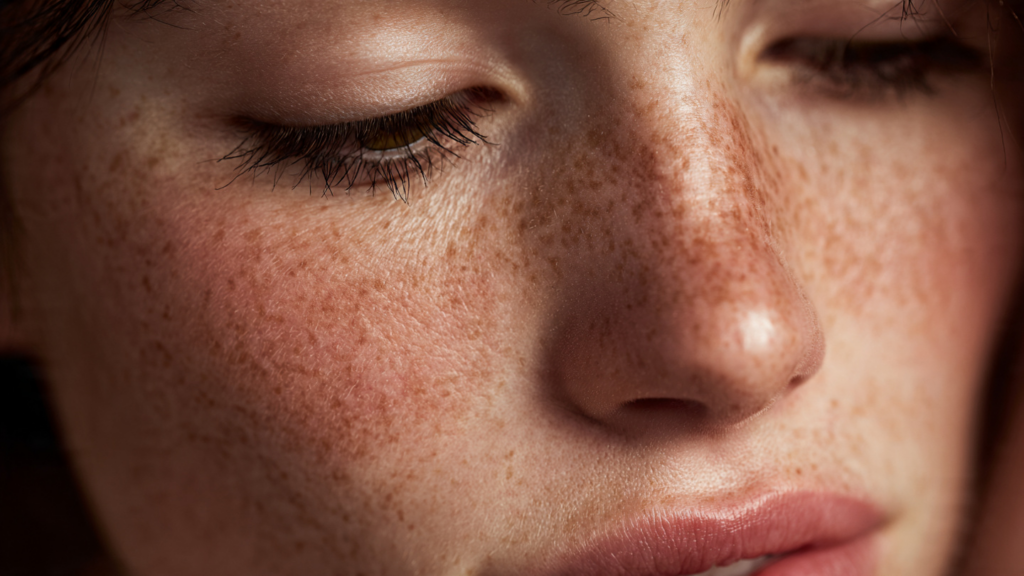
Texture doesn’t disappear when skin is well-cared-for. Instead, it looks integrated. Pores, fine lines, and uneven areas exist without appearing emphasized or inflamed.
Skin that has been handled gently tends to hold texture more naturally. There’s no tightness pulling the surface taut, and no overexfoliated smoothness that feels temporary. Texture appears settled rather than spotlighted.
This is often what separates skin that looks cared for from skin that looks overworked.
Hydration Shows in Subtle Movement
Hydration is often associated with glow, but its most telling sign is flexibility. Well-cared-for skin moves naturally with expression. It doesn’t look rigid when the face shifts or feel tight by the end of the day.
Fine lines don’t appear etched by dryness. The surface holds moisture evenly, allowing the skin to look soft without appearing shiny or coated.
This flexibility gives skin a rested appearance, even when other imperfections remain.
Calm Tone Matters More Than Even Tone
Skin that looks well-cared-for doesn’t necessarily have uniform color. What it tends to have instead is calmness.
Flush fades rather than lingers. Redness doesn’t dominate. Uneven areas don’t appear irritated. The overall tone feels settled, even if variation exists.
This calm often reflects routines that prioritize comfort over correction. Skin that isn’t constantly challenged tends to show fewer signs of stress.
The Barrier’s Condition Shapes the Whole Picture
Although not something people usually point to directly, the skin barrier influences how cared-for skin appears. When the barrier feels supported, many smaller concerns feel less visible.
Skin holds moisture better. Sensitivity becomes less obvious. Texture feels smoother without being forced. The surface looks resilient rather than fragile.
A supported barrier rarely announces itself. It simply allows everything else to look more stable.
Reduced Reactivity Leaves a Lasting Impression
Well-cared-for skin often reacts less dramatically to daily stressors. Cleansing doesn’t leave it visibly unsettled. Weather changes don’t show immediately. Small disruptions don’t linger on the surface.
This reduced reactivity creates a steadier appearance throughout the day. Skin looks similar in the morning and evening, which contributes to the sense that it’s being maintained rather than managed.
Stability, over time, becomes visible.
Care Is Present, But Not Obvious
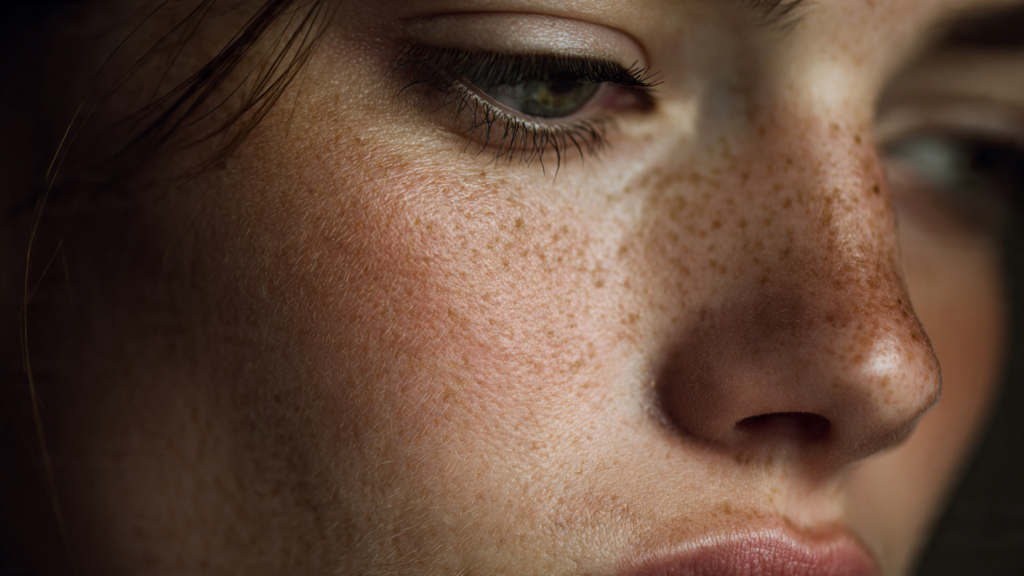
One of the clearest signs of well-cared-for skin is that the care itself isn’t obvious. Skin doesn’t look like it’s being constantly corrected or monitored.
Overuse of treatments can leave visible traces—tightness, shine, or sensitivity. By contrast, skin that’s been cared for steadily looks natural rather than polished.
The routine exists, but it doesn’t leave fingerprints.
Patience Leaves Fewer Marks Than Urgency
Urgency often shows on the skin. Overexfoliation, frequent changes, and aggressive correction can all create signs of strain over time.
Skin that looks well-cared-for usually reflects patience. Changes are allowed to happen gradually. The skin isn’t rushed toward outcomes.
This patience often results in fewer visible disruptions, even when concerns remain.
Why It Matters
The idea of well-cared-for skin shapes expectations around care itself. When care is defined by comfort and balance rather than flawlessness, the relationship with skin becomes less demanding.
This perspective reduces pressure. Skin doesn’t need to be perfect to be healthy or supported. It simply needs consistency and time.
How skin is cared for often affects how much emotional weight it carries day to day.
A More Sustainable View of Skin Care
Skin that looks well-cared-for isn’t frozen in an ideal state. It continues to change, respond, and age. What remains consistent is the sense that it isn’t being fought or ignored.
Care shows up through familiarity, gentle handling, and routines that don’t need constant revision. Over time, these choices leave a visible impression—not of control, but of ease.
Well-cared-for skin doesn’t stand out. It settles in quietly.
✨ AI Insight:
People often recognize skin as well-cared-for when it looks comfortable enough to exist without drawing attention to itself.