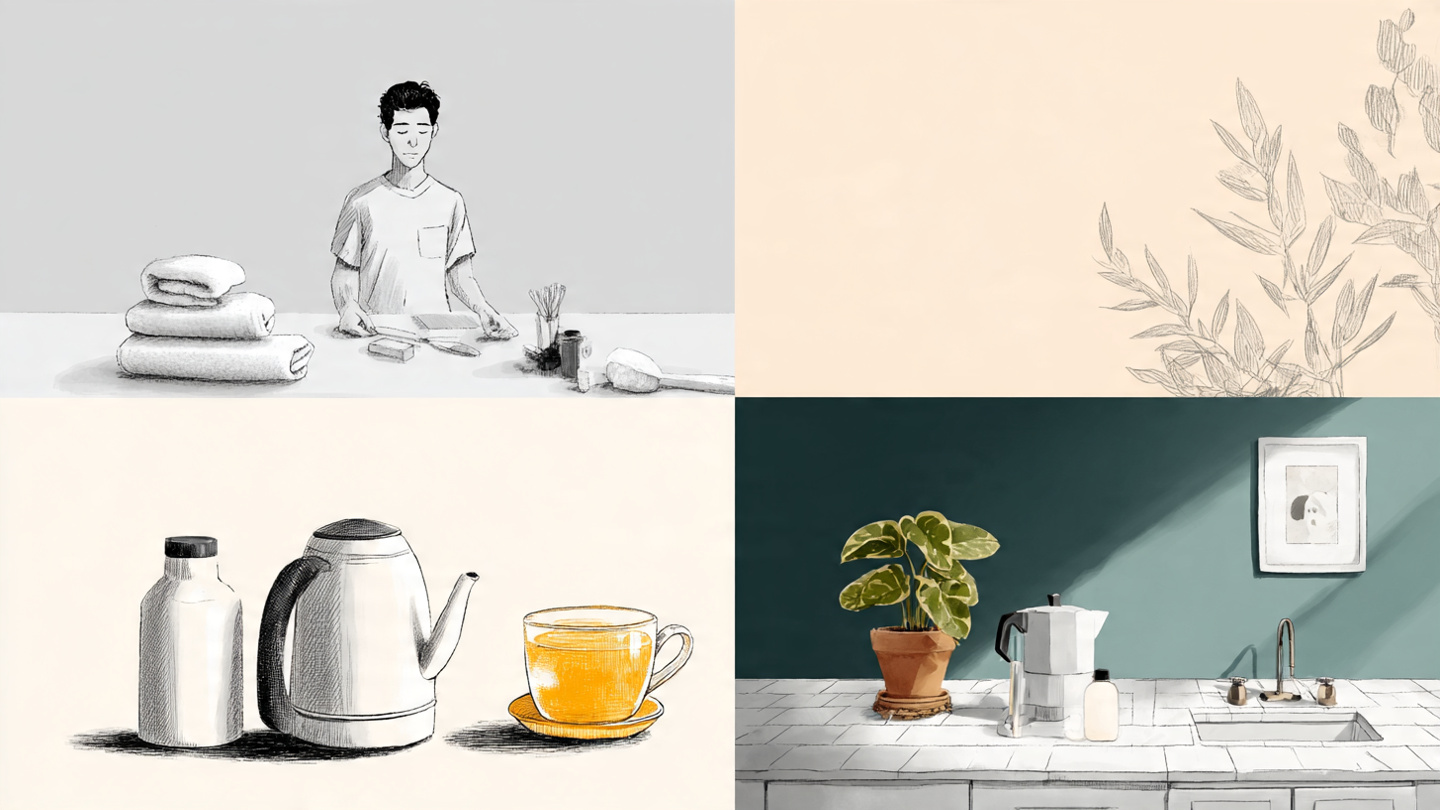

At some point, routines stop feeling like something to optimize and start feeling like something to live with. What once felt motivating—adding steps, refining timing, tracking results—can slowly begin to feel heavy. In that moment, simplicity doesn’t feel like compromise. It feels like relief.
Simple routines tend to last not because they promise more, but because they ask for less. They fit into life as it is, rather than requiring life to adjust around them.
They Leave Room for Real Life
Complex routines often assume ideal conditions: uninterrupted time, stable schedules, consistent energy. Real life rarely offers that. Days change shape. Mornings run late. Evenings blur together.
Simple routines survive these shifts. A few familiar steps can be done even when time is short or focus is low. Nothing feels skipped or incomplete. The routine bends instead of breaking.
This flexibility is one of the quiet reasons simplicity feels sustainable—it doesn’t demand perfect circumstances.
Fewer Steps Reduce Decision Fatigue
Every additional step in a routine adds a decision. When to do it. Whether to skip it. If it’s still working. Over time, these small choices accumulate.
Simple routines remove much of that mental weight. There’s less to question and less to reconsider. Familiarity replaces evaluation.
When routines stop asking for constant judgment, they become easier to maintain without effort.
Consistency Becomes Natural Instead of Forced
Sustainability often comes down to repetition. Complex routines may work well in bursts, but they’re harder to repeat day after day.
Simple routines are easier to return to. The steps feel automatic. There’s no sense of falling behind or needing to catch up. Over time, consistency becomes a habit rather than a goal.
This steadiness often supports better long-term outcomes than short periods of intensity.
They Reduce the Pressure to See Results Quickly
More involved routines often carry higher expectations. When many steps are involved, people tend to look for visible payoff. If results don’t appear quickly, frustration builds.
Simple routines tend to lower that pressure. Progress is measured less dramatically—by comfort, predictability, and ease rather than transformation.
This shift makes it easier to stay patient, which is often what skin and habits respond to best.
Simplicity Makes Change Less Disruptive
When routines are minimal, adjustments feel less risky. Changing one element doesn’t unravel everything else. The structure remains intact.
This makes routines more resilient over time. They can evolve gradually without needing a full reset. Sustainability often depends on this ability to adapt without collapsing.
Simple routines allow change without chaos.
They Respect Natural Fluctuations
Skin and daily energy levels fluctuate. Simple routines are better suited to these changes because they don’t rely on precision.
Missing a step doesn’t feel like failure. Repeating the same step doesn’t feel redundant. The routine remains supportive even when conditions aren’t ideal.
This tolerance makes simplicity feel forgiving rather than demanding.
Less Maintenance Means Less Burnout
Burnout doesn’t always come from doing too much—it comes from doing too much for too long. Complex routines can quietly drain motivation over time.
Simple routines require less upkeep. There’s less to manage, replace, or rethink. This reduces the risk of abandoning routines altogether.
Sustainability often looks like something that never becomes exhausting.
They Encourage Trust Over Control
Highly detailed routines can foster a sense of control—tracking, adjusting, optimizing. Simple routines shift that dynamic toward trust.
Instead of managing every variable, people allow routines to support them quietly. Skin, habits, and daily rhythms are given space to respond rather than being constantly directed.
This trust often strengthens the relationship with care itself.

They Fit Into Identity, Not Just Schedules
The most sustainable routines are the ones that align with how people see themselves. Simple routines don’t require a “routine mindset” to maintain.
They feel like part of daily life rather than a separate task. Over time, they become integrated rather than scheduled.
This integration is what allows routines to last without effort.
Why It Matters
Sustainability determines whether routines remain supportive or become another source of pressure. Simple routines matter because they respect time, energy, and attention.
They allow care to continue quietly, even when motivation dips or life becomes unpredictable. That continuity often matters more than complexity.
What lasts tends to matter more than what impresses.
A Steady Approach That Endures
Simple routines don’t promise transformation. They offer steadiness. They show up the same way each day, without asking for more than can be given.
Over time, this steadiness builds trust—not just in the routine, but in the ability to maintain care without strain.
Sustainability isn’t about doing less forever. It’s about doing what can be repeated without resistance.
✨ AI Insight:
People often realize a routine is truly sustainable when it continues quietly, even on days when motivation and attention are low.