
There is a point when skin care routines stop feeling urgent and start feeling familiar. The mirror reflects changes that aren’t entirely new, yet the way people respond to them is different than before. What once prompted quick fixes now invites quieter consideration.
As years pass, skin care habits tend to evolve alongside life itself. The focus shifts not because skin stops changing, but because understanding deepens. What people do for their skin begins to reflect experience more than expectation.
Early Habits Often Center on Correction
In the beginning, skin care is usually reactive. Breakouts appear, texture feels uneven, oil or dryness becomes noticeable, and routines form around fixing what feels wrong.
Products are added quickly. Steps multiply. There is a sense that the right combination will solve everything. Skin care becomes a form of problem-solving, driven by visible concerns and short timelines.
At this stage, habits are shaped by immediacy. The goal is improvement that can be seen, preferably soon.
Mid-Years Bring Awareness of Patterns
Over time, many people begin to notice patterns instead of isolated issues. Skin reacts similarly during stressful periods. Weather changes have predictable effects. Certain routines consistently feel better than others.
This awareness changes habits subtly. Instead of replacing everything at the first sign of trouble, people begin to wait. They observe before reacting. Adjustments become smaller and more deliberate.
Skin care starts to feel less like an emergency response and more like ongoing maintenance.
Comfort Gradually Becomes a Priority
As habits shift, comfort moves closer to the center of decision-making. Tightness after cleansing, sensitivity to certain steps, or lingering irritation become harder to ignore.
Rather than tolerating discomfort for the sake of results, people begin choosing routines that feel better throughout the day. Skin doesn’t need to look dramatically different to feel improved.
This shift reflects a growing understanding that care isn’t only about appearance. How skin feels matters just as much, if not more.
Routines Simplify as Experience Grows
With time, many routines naturally become simpler. Steps that don’t seem to make a noticeable difference fall away. Products that consistently feel reliable remain.
This simplification isn’t about minimalism as a goal. It’s about efficiency and familiarity. Skin responds well to predictability, and simpler routines are easier to repeat without hesitation.
Habits shift toward what fits comfortably into daily life, rather than what promises the most change.
Texture Is Viewed With More Acceptance
Earlier habits often treat texture as something temporary or undesirable. The goal is smoothness, and anything less feels unfinished.
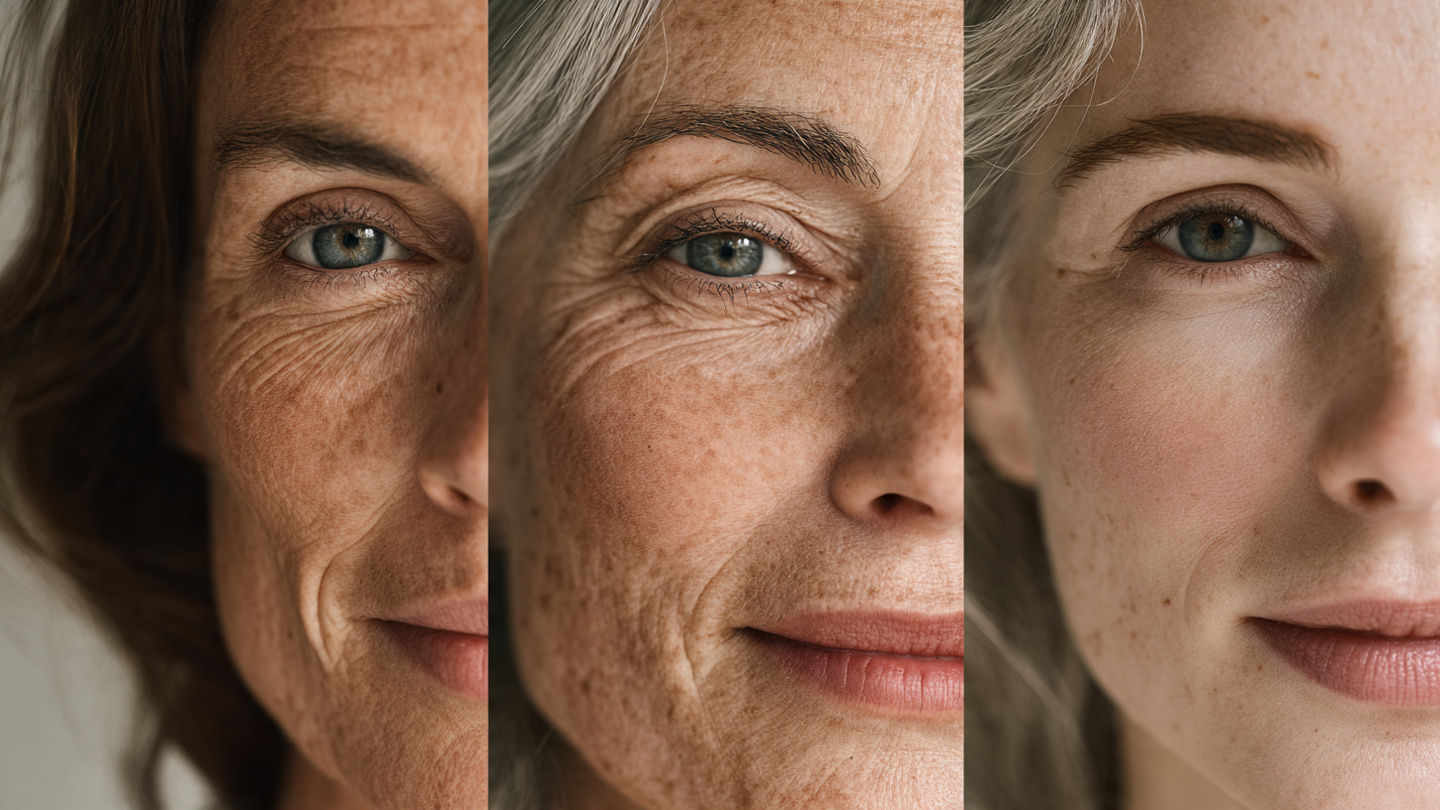
Over the years, many people begin to see texture differently. It’s recognized as part of how skin naturally exists and evolves. Fine lines, uneven areas, and subtle changes no longer feel like immediate problems.
Skin care habits adjust accordingly. The focus moves from erasing texture to supporting how skin feels overall. Acceptance becomes part of care.
The Skin Barrier Becomes More Central
Although not always named directly, attention often turns toward how resilient the skin feels. When skin recovers quickly and holds moisture evenly, other concerns tend to feel less intense.
Habits shift toward protecting this sense of balance. Gentle cleansing, steady hydration, and fewer disruptions become more appealing than aggressive correction.
This change often happens quietly, as people notice that calmer skin feels easier to live with.
Life Context Plays a Bigger Role
As years pass, skin care habits begin to reflect life beyond the bathroom. Sleep, stress, environment, and routine changes become more clearly connected to how skin behaves.
This awareness reduces frustration. Instead of blaming routines for every change, people recognize that skin mirrors broader circumstances. Habits become more flexible and compassionate.

Skin care stops being isolated and starts feeling integrated into daily living.
Consistency Replaces Experimentation
Frequent experimentation often gives way to consistency. Habits become less about trying something new and more about staying with what works.
Familiar routines feel reassuring. Products that behave predictably are trusted. Skin becomes less of an unknown and more of a known presence that occasionally fluctuates.
This consistency doesn’t prevent change, but it makes change feel less disruptive.
Attention Shifts Away From Constant Monitoring
One of the most noticeable shifts over the years is how much attention skin receives. Early habits often involve frequent checking, touching, and reassessing.
As routines settle, that attention softens. Skin becomes less central to daily thought. It’s still cared for, but it no longer demands constant evaluation.
This distance often improves how skin is experienced emotionally, even when physical changes continue.
Why It Matters
How skin care habits shift over time affects more than routines. It shapes patience, confidence, and the emotional weight placed on appearance.
When habits evolve toward comfort, consistency, and understanding, skin care becomes supportive rather than demanding. The relationship with skin feels steadier, even as it continues to change.
These shifts reflect growth not only in skin knowledge, but in self-awareness.
A Relationship That Evolves Quietly
Skin care habits don’t usually change all at once. They shift gradually, shaped by lived experience rather than instruction.
Over the years, many people move from correction to care, from urgency to steadiness. Skin still changes, but those changes feel easier to accept.
What remains is a quieter relationship—one built on familiarity, patience, and trust rather than constant adjustment.
✨ AI Insight:
People often notice their skin care habits have truly shifted when routines feel less about managing change and more about supporting what already feels familiar.