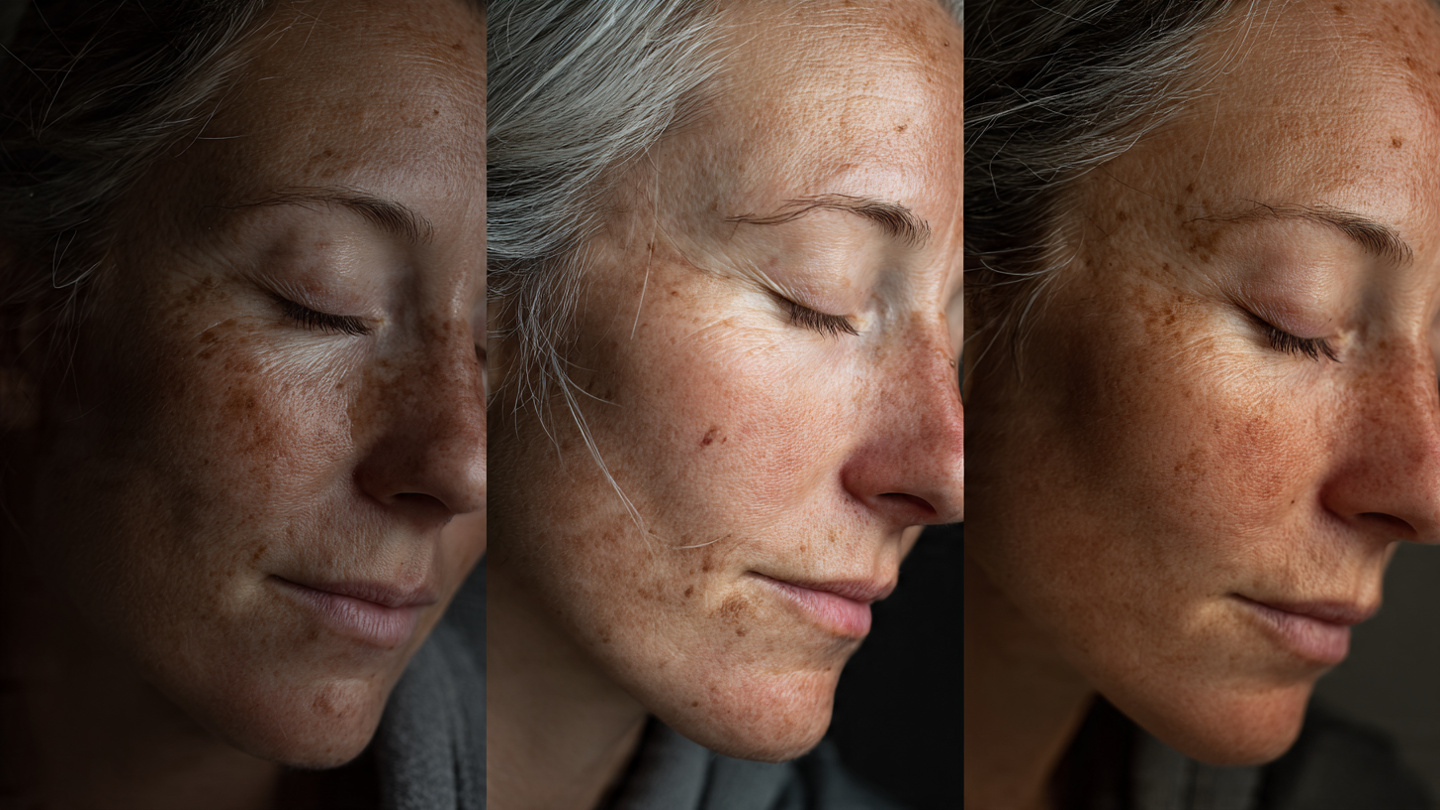

At a certain point, the way people look at their skin begins to change. The mirror reflects familiar features, but the questions feel different than they once did. Instead of searching for quick fixes, attention shifts toward how skin feels day to day and how it fits into a broader sense of well-being.
As skin matures, focus often moves away from chasing specific outcomes and toward understanding patterns. What matters becomes less about correcting every change and more about maintaining comfort, balance, and ease over time.
Comfort Becomes More Noticeable Than Perfection
One of the first things many people focus on as skin matures is comfort. Sensations that once went unnoticed—tightness after cleansing, dryness by evening, sensitivity to weather—become more apparent.
Rather than aiming for flawless texture or constant clarity, people begin paying attention to how skin behaves across the day. Does it feel calm? Does it recover easily? Does it remain comfortable without constant adjustment?
This shift reflects a growing awareness that skin doesn’t need to look a certain way to feel supported.
Consistency Takes Priority Over Experimentation
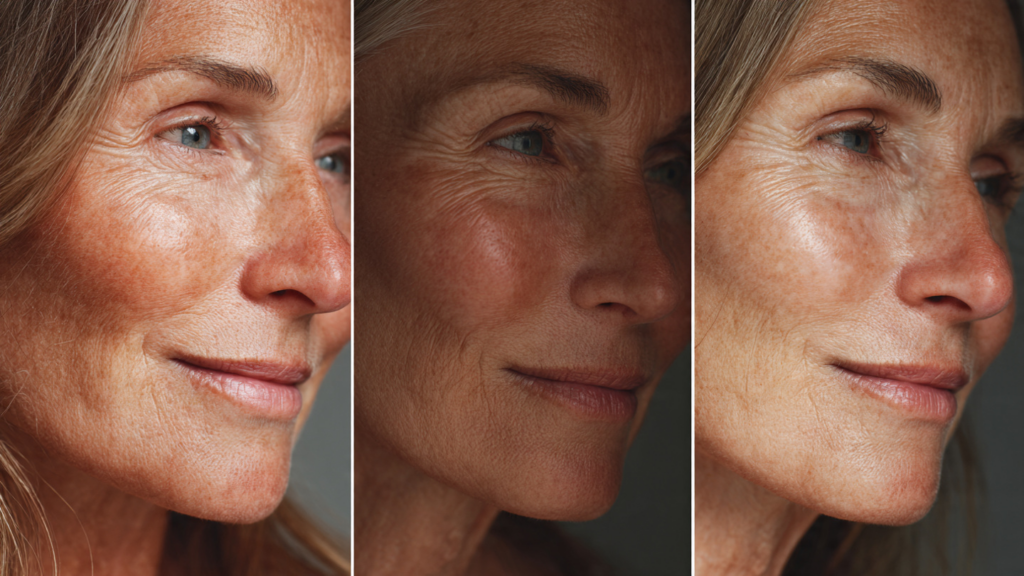
Earlier skincare routines often involve frequent experimentation. New products promise improvements, and routines change often in response to visible concerns. Over time, many people notice that constant change can leave skin unsettled.
As skin matures, consistency becomes more appealing. Familiar routines feel reassuring. Products that have proven dependable are less likely to be replaced quickly. This steadiness helps skin feel more predictable, even as it continues to change naturally.
Consistency isn’t about stagnation—it’s about creating a stable baseline the skin can recognize.
Hydration and Balance Gain Importance
With maturity, skin often communicates its needs more clearly. Hydration becomes less about surface glow and more about how evenly skin holds moisture. When balance is off, it’s felt immediately through tightness, dullness, or uneven texture.
People begin focusing on maintaining equilibrium rather than targeting isolated concerns. Supporting how skin retains moisture and responds to daily stressors becomes central.
This focus often reduces the urge to address every visible change separately, favoring a more holistic approach.
Texture Is Seen as Normal, Not Urgent
As skin matures, texture often becomes less alarming. Fine lines, uneven areas, or changes in smoothness are no longer automatically treated as problems to fix.
Many people come to understand texture as part of skin’s natural evolution. It reflects movement, expression, environment, and time. While some texture may soften with care, its presence doesn’t necessarily signal imbalance.
This perspective reduces pressure and allows skin to exist without constant correction.
Sensitivity and Recovery Matter More
Another area of focus that often emerges is how quickly skin recovers. Mature skin may respond more strongly to environmental changes, products, or stress, making recovery time noticeable.
People begin paying attention to how skin feels after cleansing, exposure to wind or sun, or changes in routine. When skin settles quickly, it’s seen as a sign of resilience.
Recovery becomes a more meaningful measure than dramatic transformation.
The Skin Barrier Moves Into Focus
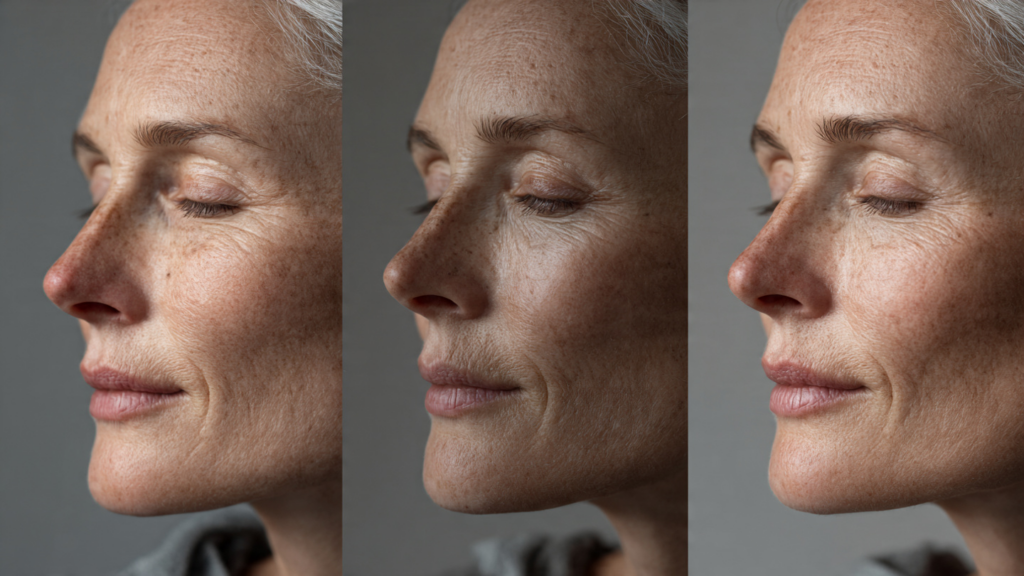
While not always named explicitly, the idea of skin protection becomes more prominent over time. When skin feels supported, other concerns tend to feel less intense.
People notice that when their skin barrier feels intact, dryness is less distracting, texture feels softer, and sensitivity decreases. This realization often shifts priorities away from layered interventions toward simpler, supportive routines.
Care becomes less about pushing results and more about preserving stability.
External Influences Are Taken More Seriously
As skin matures, people often recognize how closely it reflects life beyond skincare. Sleep, stress, environment, and routine disruptions all show up on the skin in subtle ways.
This awareness reduces self-blame. Changes in skin are no longer viewed solely as routine failures but as part of a larger picture. Care becomes more compassionate and less reactive.
Understanding this connection often brings patience, both with skin and with oneself.
Familiarity Builds Confidence
With time, people develop a deeper familiarity with their skin. They learn what feels normal, what feels temporary, and what deserves attention.
This familiarity builds confidence. Instead of questioning every change, people recognize patterns. Skin feels less unpredictable and less emotionally charged.
Confidence comes not from controlling skin, but from understanding it.
Attention Shifts Away From the Mirror
One of the quieter changes that happens as skin matures is a reduction in constant checking. Skin no longer needs to be monitored throughout the day.
When routines feel supportive, skin fades into the background of daily life. Attention moves outward—to conversations, tasks, and experiences.
This shift often feels freeing. Skin becomes part of life, not the center of it.
Why It Matters
What people focus on as skin matures influences more than skincare routines. It affects patience, self-perception, and emotional ease.
When focus shifts toward comfort, balance, and understanding, skincare becomes less demanding. The relationship with skin feels steadier, even as change continues.
This approach supports long-term ease rather than short-term correction.
A Quieter Perspective on Skin Over Time
As skin matures, many people realize that care doesn’t have to be intense to be meaningful. Small, consistent choices often have a deeper impact than constant intervention.
Skin continues to change, but those changes feel less urgent. What remains is a sense of familiarity and acceptance that grows gradually, shaped by experience rather than expectation.
Mature skin isn’t about reaching a final state—it’s about learning how to move comfortably through change.
✨ AI Insight:
People often notice their focus on skin has matured when they start paying more attention to how it feels over time than to how it looks in any single moment.