
Makeup tools don’t always get the spotlight.
When people talk about makeup, they usually talk about products—foundation, concealer, blush, lipstick, eyeshadow palettes. Tools often feel like an afterthought, something you pick up quickly or use whatever came in a set.
But over time, many people notice something surprising:
The tool can change the result just as much as the product does.
The same foundation can look seamless or heavy.
The same blush can look soft or patchy.
The same eyeshadow can look blended or harsh.
And often, the difference isn’t the formula—it’s the brush, sponge, or technique behind it.
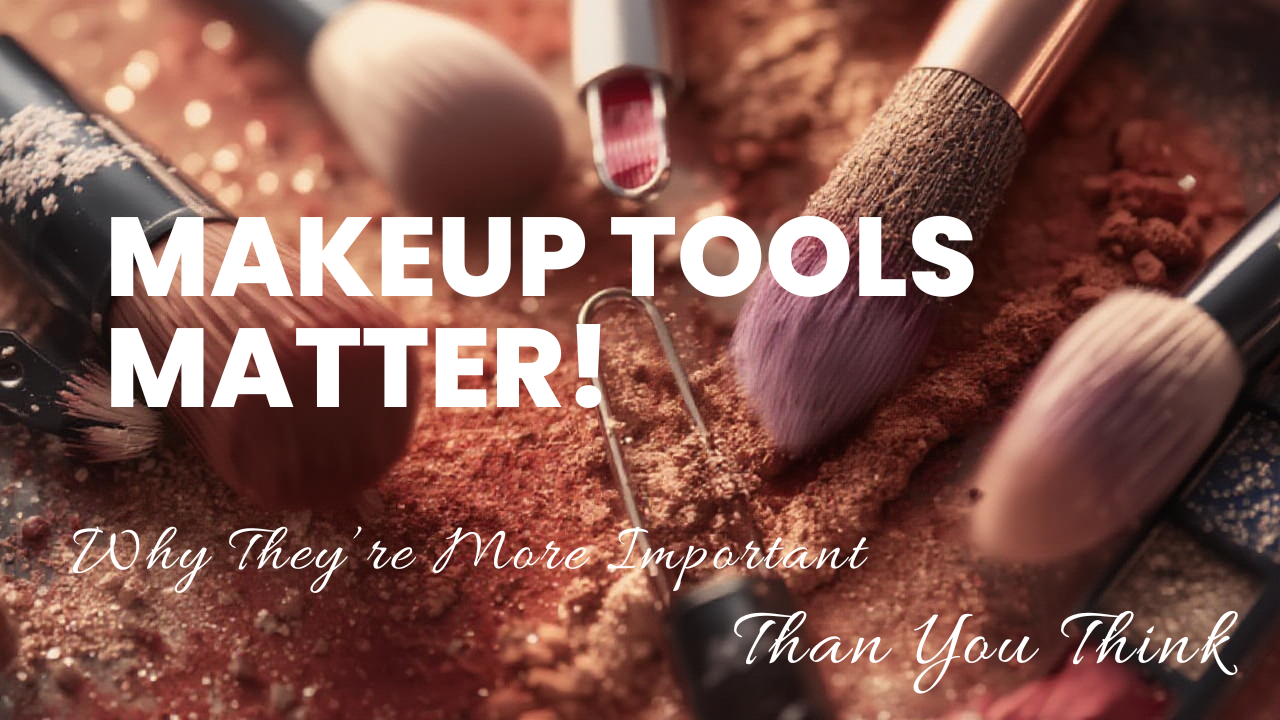
That’s why makeup tools matter more than people think: they shape how makeup sits, spreads, blends, and wears throughout the day.
Tools shape the finish more than you expect
Makeup is all about how something looks on the skin.
Tools influence:
- how evenly product is applied
- how much product is used
- how softly edges are blended
- how texture shows up
- how natural or “makeup-y” the finish feels
Even when you’re using the same products, switching tools can create a completely different look.
That’s why people often say things like:
- “This foundation looks better with a sponge.”
- “This brush makes my blush look softer.”
- “My concealer looks smoother with fingers.”
- “This eyeshadow blends better with a fluffy brush.”
The tool becomes part of the formula.
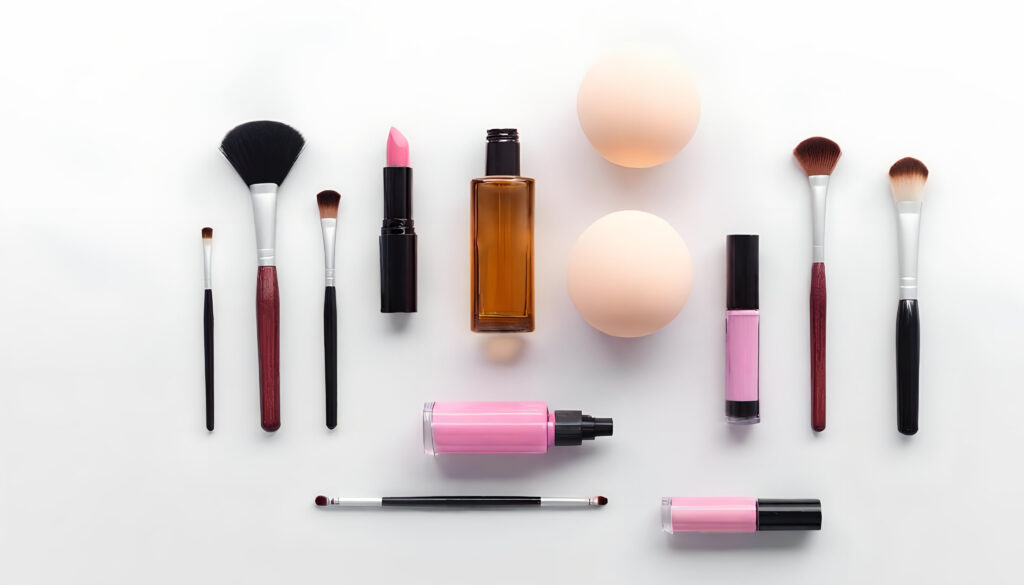
Different tools change product placement
Where makeup lands on the face matters.
Tools help control placement in different ways:
- A dense brush places product precisely and builds coverage.
- A fluffy brush diffuses product and softens edges.
- A damp sponge presses product into the skin for a smoother look.
- Fingers warm and melt products, making them blend more naturally.
So tools don’t just “apply” makeup—they decide how and where it sits.
And because placement affects balance and symmetry, tools indirectly affect how polished the whole face looks.
Tools influence how much product you use
One quiet reason tools matter: they change the amount of product on your skin.
Some tools pick up more.
Some absorb more.
Some distribute more evenly.
For example:
- A sponge can sheer out foundation but may absorb some of it.
- A dense brush can apply more product quickly and create fuller coverage.
- Fingers often use less product and blend more gradually.
Over time, many people notice that changing tools can suddenly make a product feel “better,” simply because the amount and texture on the skin changes.
It’s not always that the product was wrong—it may have been the method.
Blending depends on the tool’s shape and density
Blending is one of the biggest differences between makeup that looks natural and makeup that looks harsh.
Tools affect blending through:
- bristle density
- brush shape
- softness
- size
- flexibility
A soft, fluffy brush creates a hazy blend.
A small, dense brush creates definition.
A stiff brush can pack pigment strongly.
A flexible brush diffuses edges gently.
That’s why the same eyeshadow can look smoky with one brush and sharp with another.
Tools are like the “dial” that controls intensity.
Tools affect how makeup sits on skin texture
People often assume makeup texture is caused by skin alone.
But tools play a role too.
Some tools:
- push product into pores or lines
- sweep over dryness and highlight it
- leave streaks if not used correctly
- smooth product into a more seamless finish
That’s why someone might feel like their foundation is suddenly “better” after switching from a brush to a sponge—or vice versa.
Over time, people learn that tools can either emphasize texture or soften it, depending on how the product is laid down.
Clean tools make a bigger difference than people expect
This is one of those lessons people usually learn slowly.
When tools aren’t cleaned regularly, they can:
- apply makeup unevenly
- create patchiness
- mix products unintentionally
- feel rougher on the skin
- make colors look duller
And because makeup tools touch skin repeatedly, they also influence how fresh and smooth makeup looks overall.
Many people notice their makeup looks more blended and “new” when their brushes and sponges are clean—even if they didn’t change anything else.
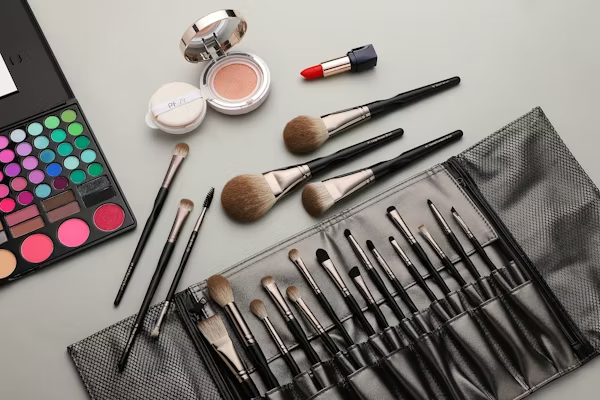
Good tools don’t have to be expensive, but they do need to suit the job
People often assume “good tools” means luxury.
But what matters most is suitability:
- a brush that matches the product texture
- a tool that feels comfortable in your hand
- a shape that helps you place and blend easily
- a sponge that gives the finish you like
The best tools are often the ones that make application feel effortless.
When tools work well, makeup becomes easier to control.
When tools don’t match your needs, makeup can feel unpredictable.
That’s why people sometimes struggle with a product until they change the tool—and suddenly it makes sense.
Tools can change how confident you feel applying makeup
This part is easy to overlook, but it’s real.
When tools help you apply makeup smoothly, you feel more in control. You spend less time fixing edges, reapplying, or checking if something looks uneven.
Over time, many people notice that having a few reliable tools makes makeup feel simpler—less like a skill you’re trying to perfect, and more like something enjoyable.
Tools don’t just change the outcome.
They change the experience.
A calm takeaway to end on
Makeup tools matter more than people think because they influence everything: coverage, blending, placement, texture, and finish.
They shape how products behave on your skin, often more than the product label itself.
And over time, many people discover that upgrading a routine isn’t always about buying more makeup.
Sometimes it’s simply about using the right tool—and letting that do the quiet work in the background.
AI Insights: Over time, many people notice that the same makeup can look noticeably different depending on the tools used, because application and blending can significantly affect the finish.