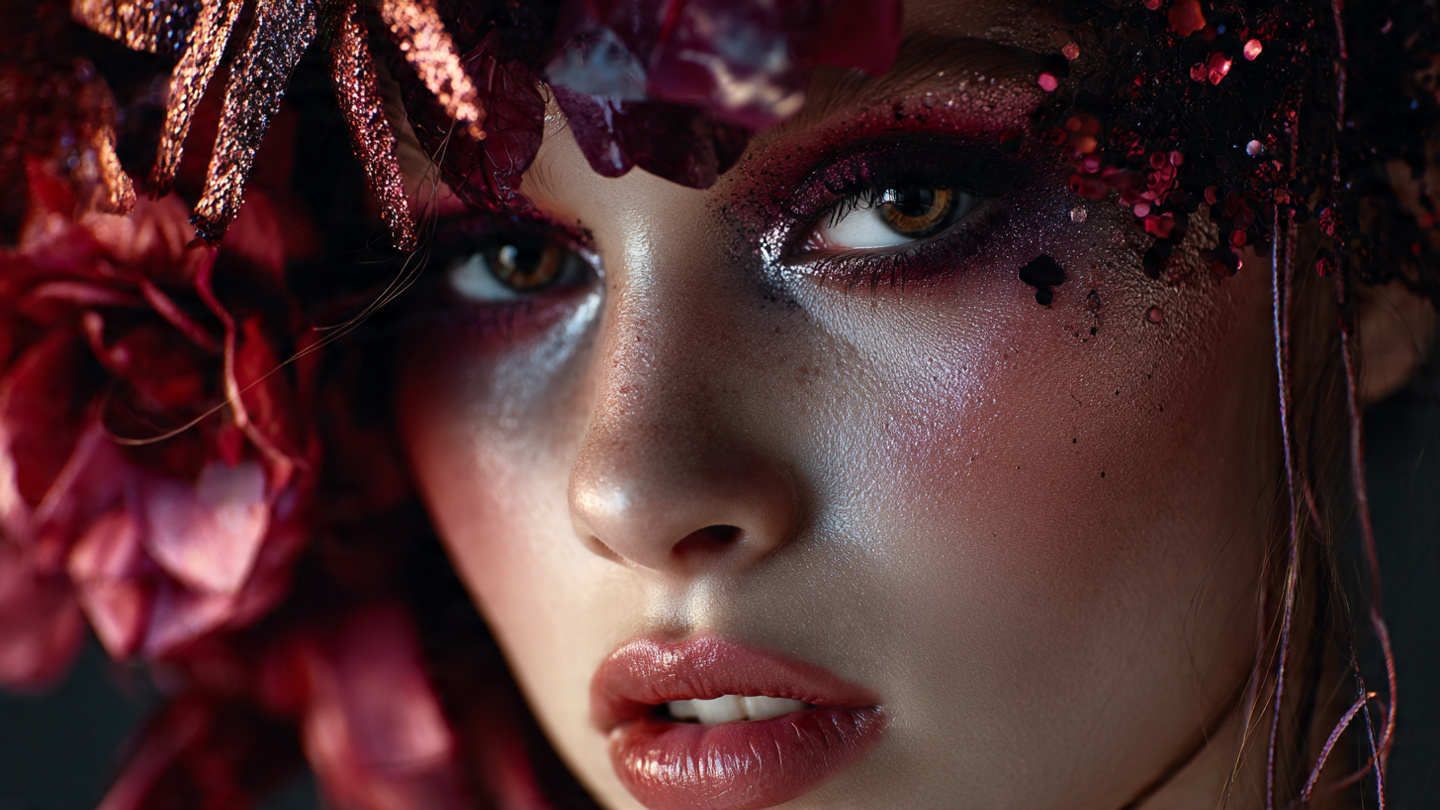
Makeup routines begin in stillness. A mirror, a light, a small collection of tools laid out on a counter. The gestures are familiar—brush, blend, pause, adjust. Over time, subtle digital elements have entered this space, shaping how these moments unfold without changing their rhythm.
Makeup has always balanced art and habit. What is new is the way everyday tools now respond to context. Mirrors adjust brightness. Lights shift tone. Brushes vibrate on timers. Apps quietly remember shades and routines. None of this reframes makeup as technology. It simply makes the process steadier.
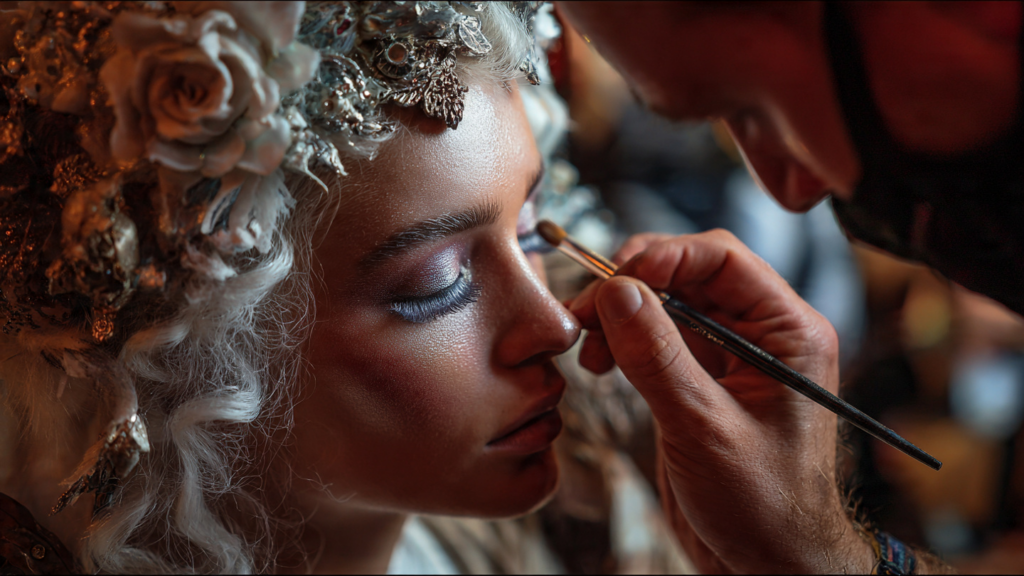
✨ AI Insight:
As sensors and simple pattern recognition became inexpensive, they moved into personal spaces like vanities, allowing tools to adapt to lighting, timing, and routine without demanding attention.
Light That Matches the Day
Lighting defines makeup more than any product. A face looks different under warm bulbs, cool daylight, or overhead glare. Traditional vanities relied on static bulbs that rarely matched real conditions.
Modern mirrors now shift color temperature. A morning routine can unfold under daylight tones. Evening preparation can warm automatically. The face is seen as it will appear beyond the room.
This reduces surprise. Makeup applied at home looks the same outside. Adjustments become intuitive rather than corrective.
The interior impact is subtle. Vanities feel less harsh. Bathrooms gain softness. The mirror becomes a consistent reference rather than a distortion.
Seeing Without Strain
Magnification has long helped with detail. Digital mirrors refine this by stabilizing focus and reducing shadow. Some provide even illumination around the face, eliminating the need to lean or tilt.
The result is less physical strain. Posture relaxes. Movements become smaller and more precise.
Over time, this changes how long people linger. The space invites care rather than haste.
The vanity becomes less of a workstation and more of a personal corner.
Brushes That Keep Time
Electric makeup brushes and sponges now include gentle vibration and built-in timers. They signal when blending is complete or when pressure is uneven.
These cues do not instruct. They pace.
For many, this prevents overworking areas or rushing steps. The routine becomes evenly distributed.
The face feels less fatigued. The result looks more balanced.
This is not automation. It is rhythm.
Remembering What Works
Some apps and connected tools store shade names, product combinations, or past looks. They act as quiet notebooks.
Instead of searching through drawers, users recall what worked last season or for a specific event. The memory becomes external.
This reduces clutter. Fewer half-used products accumulate. Choices feel grounded in experience rather than impulse.
The space becomes more intentional.
Adapting to Different Rooms
Makeup routines now travel. Hotel bathrooms, guest rooms, shared spaces.
Portable mirrors with adaptive lighting maintain consistency. A face prepared in unfamiliar light still feels familiar.
This continuity matters. The mirror becomes a constant amid change.
The interior experience follows the person, not the place.
Teaching Without Instructing
Digital tools often guide indirectly. A light reveals uneven blending. A brush signals duration. A mirror shows tone shifts.
Users learn through feedback rather than instruction. Skill accumulates quietly.
The ritual remains personal. No voice tells what to do.
The mirror remains a companion, not a judge.
Keeping the Counter Calm
Makeup spaces can easily become crowded. Modern tools consolidate function. One mirror replaces multiple lamps. One brush replaces several motions.
This reduces visual noise. The counter clears.
The bathroom feels more like a room and less like a station.
Objects rest rather than compete.
Preserving the Human Gesture
Despite these changes, the core remains manual. Hands apply. Eyes decide. Expression remains personal.
Technology does not choose color or style. It steadies the environment in which those choices occur.
The creative element stays intact.
The room supports, not directs.
Makeup as Environment
Makeup routines shape how people enter their day. A rushed mirror creates urgency. A calm vanity creates poise.
By smoothing lighting and pacing, digital tools reshape the emotional tone of preparation.
The room becomes a buffer between rest and public life.
This matters more than any feature.
Why It Matters
Makeup is not only about appearance. It is about transition—from private to visible.
When the space supports that transition, it becomes gentler. Less correction. Less surprise.
Subtle intelligence preserves ritual while reducing friction. It allows care to remain care.
The vanity becomes a place of steadiness.
These tools do not promise beauty. They promise consistency.
They do not replace skill. They reduce distraction.
The mirror remains a mirror. It simply learns how to show the face more faithfully.
Over time, this faithfulness builds trust.
A person who trusts the mirror moves into the day differently.
Makeup remains a choice. Technology simply holds the light.